Property damage may appear obvious at first glance, but the full extent of a loss is often harder to assess than most owners expect. After a storm, fire, plumbing failure, or structural event, people usually notice the broken materials they can see right away. What often gets missed is how damage spreads into hidden areas, interrupts normal use of the property, and creates related repair needs that do not appear in a quick walkthrough. Thorough documentation matters because claim decisions are strongly influenced by what is recorded, organized, and supported from the beginning. A public adjuster helps turn a stressful situation into a more structured damage file by identifying overlooked details, gathering evidence, and presenting the loss in a clearer, more complete way.
What Thorough Documentation Requires
Identifying Damage Beyond the Obvious
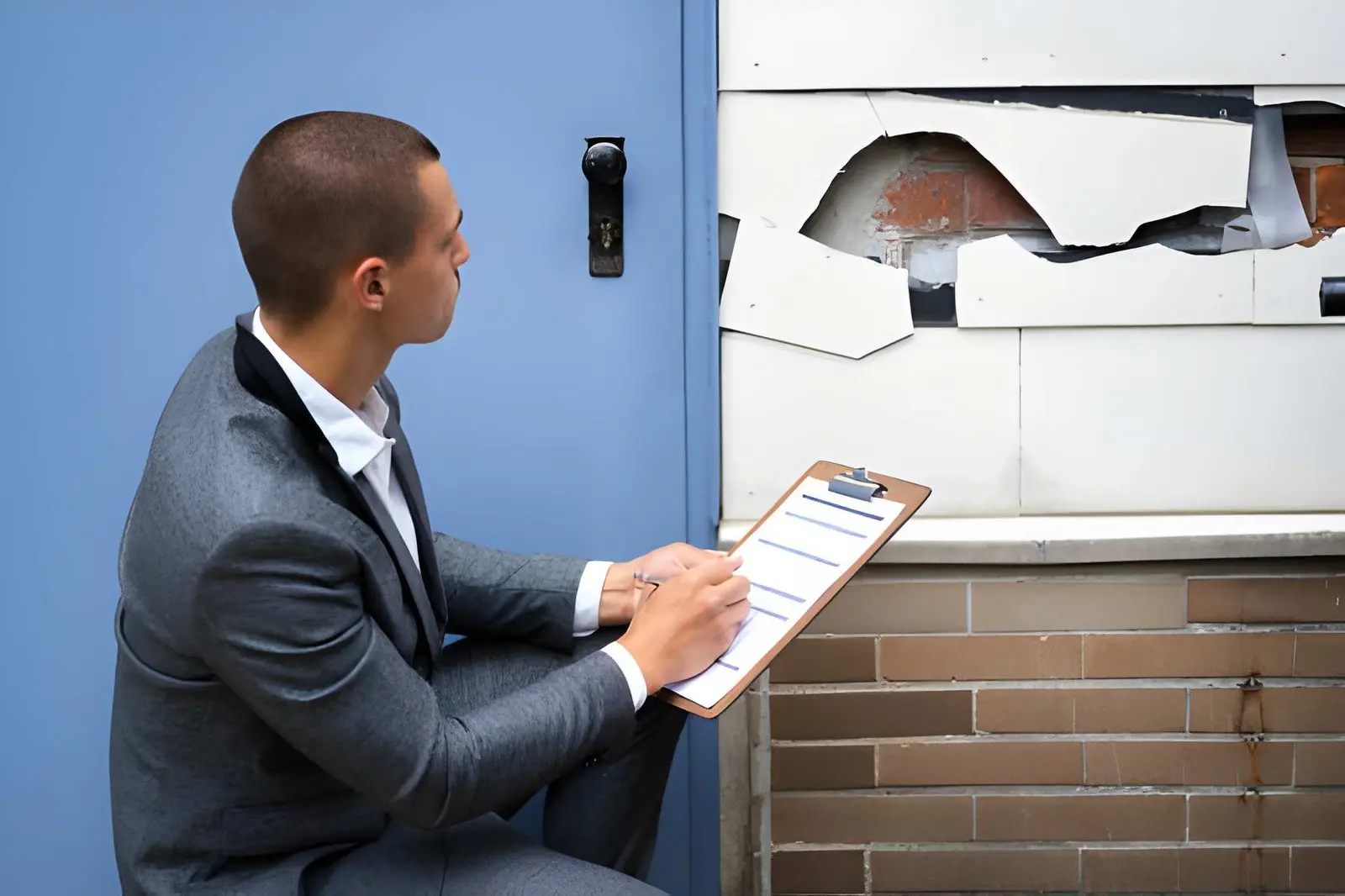
A public adjuster helps document property damage more thoroughly by looking beyond the most visible signs of loss. Many property owners focus first on what appears broken, burned, soaked, or torn away. Still, a strong damage record usually requires a broader inspection of how the event affected adjoining materials, interior finishes, structural elements, and areas that may not show immediate failure. Water can move behind walls, smoke can travel through vents and settle into insulation, and impact damage can affect roofing, flashing, or support materials in ways that are not obvious from the ground. A public adjuster often approaches the property to trace the full path of damage rather than stop at surface symptoms. This wider view can help connect one visible issue to several related repair needs that might otherwise be left out. In many cases, a Minnesota Public Adjuster may also focus on documenting how seasonal conditions, moisture exposure, or delayed discovery can influence what damage becomes visible over time. By methodically identifying affected areas, the documentation becomes more complete and useful when evaluating the loss.
Organizing Evidence Into a Usable Claim File
Thorough documentation is not only about finding damage. It is also about turning that information into a claim file that is easy to understand and difficult to dismiss. A public adjuster can help by organizing photographs, written notes, room-by-room observations, measurements, timelines, and supporting records into a format that clearly presents the loss. This matters because unorganized evidence can weaken a claim even when the damage is real. Property owners under stress may take dozens of photos without labels, forget when certain conditions were first noticed, or fail to connect damaged contents with the event that caused the loss. A public adjuster helps create order by tying each piece of evidence to a location, condition, and claimed impact. They may separate structural damage from contents loss, note where staining suggests hidden moisture, or record when emergency mitigation took place and why it was necessary. This kind of structure can make a major difference because documentation is often judged not only by quantity but by clarity. When evidence is arranged logically, it becomes easier to show how the damage occurred, how far it extends, and why certain repairs or replacements are being claimed.
Capturing Hidden Losses and Secondary Effects
Another important way a public adjuster helps is by documenting losses that property owners may not realize should be included. A damaging event can create more than one category of harm, and some of the most important parts of a claim involve secondary effects rather than the first visible damage. For example, a roof leak may lead to insulation damage, ceiling staining, flooring deterioration, and reduced indoor air quality concerns if moisture remains trapped. A kitchen fire may affect not only burned cabinets, but also nearby finishes, electrical components, odor contamination, and cleaning requirements in adjacent rooms. Public adjusters often document these connected effects so the loss is not treated as a narrow, isolated problem. They may also help identify damage to personal property, inventory, fixtures, or business-use spaces that the owner did not initially think to record in detail. This broader documentation can be important because incomplete claims often begin with incomplete observation. When the damage file reflects only what was obvious on day one, later-discovered consequences may be harder to connect back to the original event. A more complete record from the start helps show that the loss affected the property as a system, not just as a single damaged spot.
Why Better Documentation Changes the Claim Process
A public adjuster helps document property damage more thoroughly by identifying overlooked issues, organizing evidence clearly, capturing secondary effects, and maintaining a consistent claim record from start to finish. That kind of documentation can change how a loss is understood because it presents the property damage as a complete event rather than a collection of scattered observations. Many owners know their building or belongings were affected, but they may not know how to record that impact in a detailed, usable way. Thorough documentation fills that gap. When damage is described carefully and supported with clear evidence, the claim process becomes less dependent on guesswork and more grounded in a fuller picture of what the property actually sustained.
Also Read-Improving ROI Through Smart Aviation Technology Investments