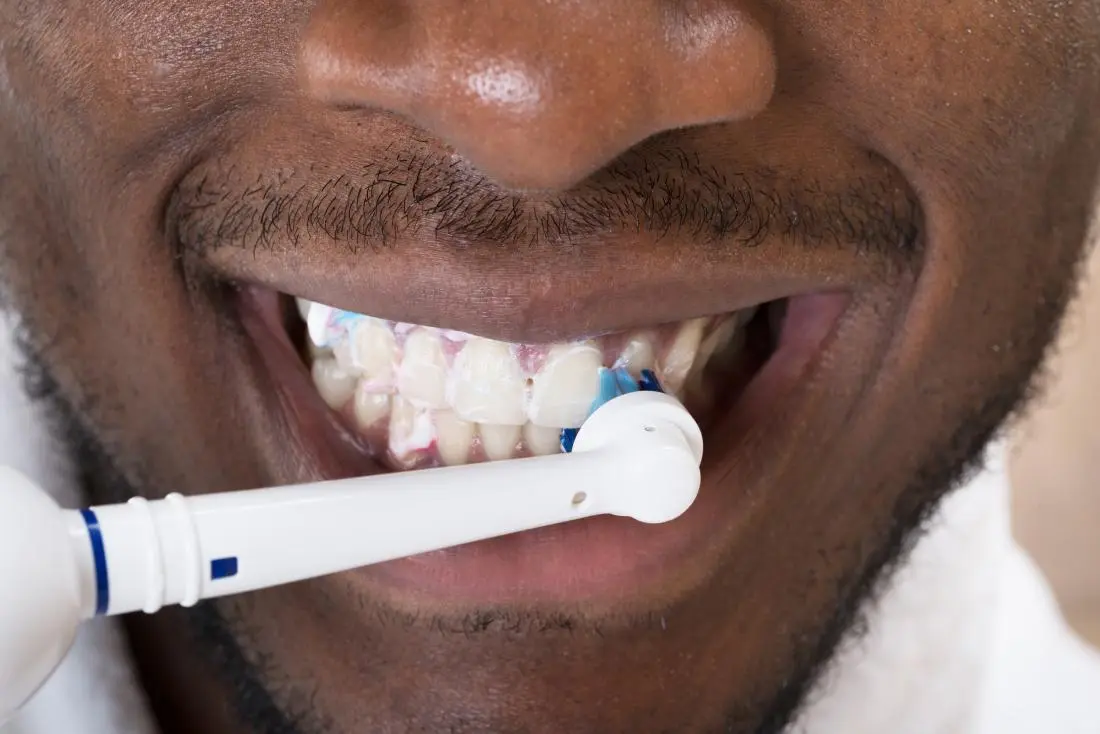
Good brushing habits should protect teeth, but many people are surprised when sensitivity gets worse anyway. They use fluoride toothpaste, keep up with cleanings, and still find that cold drinks, sweet foods, or even cool air start causing sharper discomfort than before.
That disconnect often leads to a false conclusion that hygiene alone should prevent every dental problem. It does not. Tooth sensitivity can increase over time even in people who take their oral care seriously, because cleanliness is only one part of the equation. Enamel wear, gum recession, bite pressure, acidic exposure, and aging restorations can all expose vulnerable tooth structure. When that happens, a clean mouth can still contain teeth that react more intensely than they did a year earlier.
Why Clean Teeth Still Hurt
Hygiene Does Not Stop Every Cause
Brushing and flossing help control plaque and reduce the risk of decay, but they do not eliminate every condition that causes sensitivity. Teeth are affected by more than bacteria. Acidic drinks, aggressive brushing, nighttime grinding, gum recession, and gradual enamel thinning can all lead to exposure in areas that were once protected. That means a person may be doing many things right while still developing more noticeable symptoms. Good hygiene lowers some risks, but it does not cancel the mechanical and chemical stress that teeth accumulate over time.
When Enamel Slowly Wears Down
Enamel does not regenerate once it has been lost, and that matters in long-term sensitivity. Small amounts of wear from acidic foods, carbonated drinks, citrus, reflux, or aggressive brushing can gradually thin the tooth’s protective outer layer. At first, the change may be subtle. Later, cold water or sweet snacks may trigger discomfort more easily because the inner tooth structure is less protected. This is one reason why patients seeking Dental Services for worsening sensitivity often learn that the issue is not poor cleaning but steady enamel loss that has been building quietly for years.
Gum Recession Changes Tooth Exposure
Sensitivity often increases when gums recede, exposing the tooth’s root surface. Unlike enamel-covered areas, the root is more vulnerable to temperature and touch. Gum recession can develop from brushing too hard, periodontal changes, clenching, bite imbalance, or age-related tissue changes. Once the root becomes exposed, even routine experiences such as drinking iced water or breathing in cold air may feel uncomfortable. This is not necessarily a sign that hygiene has failed. It is often a sign that the tooth is being exposed in a new way, making normal stimuli feel much more intense.
Grinding And Clenching Add Stress
One of the most overlooked causes of increasing sensitivity is bite pressure. People who grind or clench their teeth, especially at night, can apply repeated pressure to enamel, fillings, and tooth surfaces without realizing it. Over time, that pressure can cause microscopic wear, minor cracks, or inflamed supporting tissues, making teeth more reactive. A patient may continue brushing and flossing consistently while sensitivity worsens because the real driver is mechanical stress, not plaque buildup. In those cases, oral hygiene remains important, but it does not solve the pressure that keeps aggravating the teeth.
Old Dental Work Can Shift Over Time
Fillings, crowns, and other restorations do not remain unchanged forever. Materials can wear down, margins can weaken, and the surrounding tooth can become more reactive over time. A filling that once sealed comfortably may eventually allow tiny pathways for temperature changes or pressure to irritate the tooth. That does not always mean the restoration has failed, but it may no longer be performing the way it once did. Sensitivity that develops around older dental work often reflects wear and adaptation over time rather than a sudden breakdown in daily hygiene.
Acids And Habits Often Overlap
For many people, worsening sensitivity is not caused by one issue alone. It is the result of several manageable factors overlapping. Mild grinding, a slightly aggressive brushing style, occasional acidic beverage consumption, and small areas of recession may not individually cause major symptoms. Together, they can produce a pattern that becomes more noticeable month after month. That is why sensitivity often feels progressive. It often reflects accumulation rather than one dramatic event. The teeth stay clean, but the surrounding habits and structural changes continue to affect how well those teeth tolerate temperature, sweetness, and pressure.
Sensitivity Usually Has A Reason
Worsening tooth sensitivity does not automatically mean a person has neglected their oral health. In many cases, it means the teeth are affected by factors that routine hygiene alone cannot fully control. Enamel wear, gum recession, bite pressure, acidic exposure, and aging restorations can all increase sensitivity even when brushing and flossing remain consistent. That is why persistent symptoms deserve attention instead of dismissal. Clean teeth are important, but comfort depends on more than cleanliness. When sensitivity continues to progress, the relevant question is not whether hygiene is good enough. It is which underlying factor has changed and why the teeth are reacting more than they used to.
Also Read-Improving ROI Through Smart Aviation Technology Investments