
The Genesis Of A Paso Robles Favorite
Founding Linne Calodo
Linne Calodo wasn’t just another winery that popped up; it was born from a desire to do things differently. Back in 1998, Matt and Maureen Trevisan decided to take a leap, wanting full control over their winemaking destiny. They saw a chance to create something special, something that really spoke of the land. It was a gamble, sure, but one they were ready to take.
Building The Vision
The actual winery building didn’t start until 2002, and then came the first vines planted in 2005. This wasn’t about rushing things. It was about carefully laying the groundwork for a long-term vision. Every step, from constructing the facility to planting those initial acres, was about building towards a specific idea of what Paso Robles wine could be.
Evolving Winemaking Practices
From the start, Linne Calodo has been about growth and change, but always with a purpose. Over the years, there have been updates to the facilities and more vineyards planted. This isn’t just about getting bigger; it’s about constantly refining their approach. The goal is always to make better wine and to really show off what the Willow Creek District has to offer. It’s a philosophy of always learning and adapting.
The name ‘Linne Calodo’ itself comes from a type of soil found in their vineyards, a nod to the rocky, limestone-rich ground that defines the estate’s unique character and microclimate.
Willow Creek District: The Heart Of Linne Calodo
Understanding Willow Creek Terroir
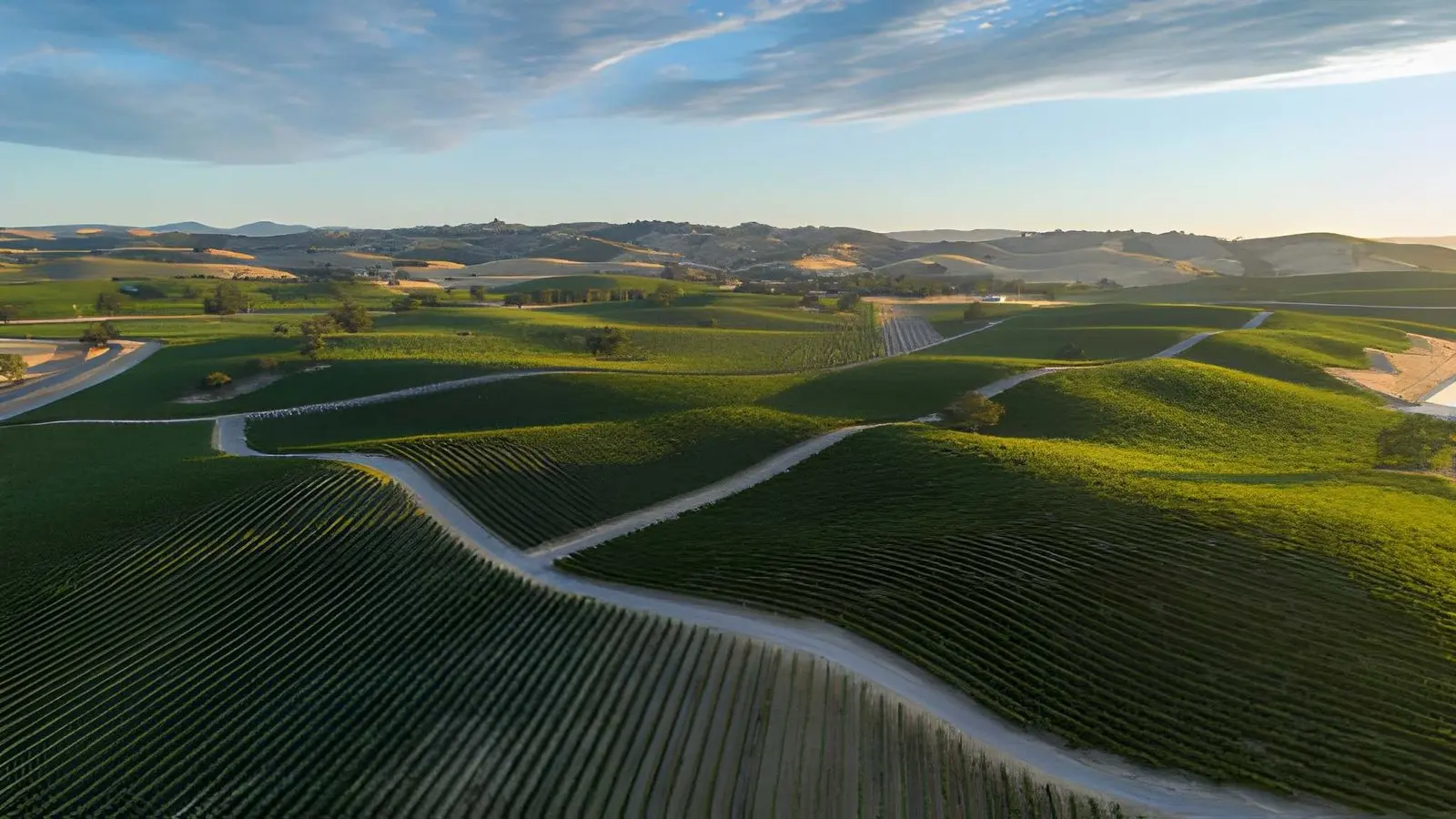
The Willow Creek District, located in the southwestern part of Paso Robles, is a special place for growing grapes. It’s only about 11 miles from the ocean, which means it gets a nice cool breeze. This area gets a good amount of rain, sometimes up to 30 inches a year, and the frosts we get help the vines go dormant properly. It really experiences all four seasons, which is great for the grapes.
The name Linne Calodo itself comes from a type of soil found in our vineyards here, a mix of limestone and rocky earth that’s pretty unique to this part of Westside Paso Robles.
Linne Calodo Estate Vineyards
Our main vineyards were planted back in 2005. They sit at a lower elevation, around 1,030 to 1,050 feet. Because it’s lower, cold air and fog tend to hang around longer. This can slow things down, making the vines take about two weeks longer to get from bud break to ripening compared to vineyards higher up. These cooler temperatures and later harvests mean the grapes develop higher acidity and a distinct flavor profile that you can really taste in the wine.
Trevi Ranch’s Unique Slopes
We added Trevi Ranch to our estate in 2012. This property goes up to about 1,350 feet at its highest point. It’s generally warmer here and doesn’t get as much fog as the main estate. The slopes are pretty steep, some reaching 45 degrees. Because of this, each section of the vineyard faces the sun differently throughout the day. We have to manage each block with a different approach, which gives us a wide range of flavors to work with when we make our wines.
The Artistry Of Blending Paso Robles Wines
Why Blends Define Linne Calodo
At Linne Calodo, we don’t really do single-grape wines. It’s not that we can’t, it’s just that we believe the real magic happens when you bring different grape varieties together. Think of it like cooking – a great meal usually has more than one ingredient, right? For us, blending is the best way to create a wine that has real depth, a nice feel in your mouth, and a flavor that keeps you interested. If a wine needs a bit more structure or a different kind of texture, we find that by combining grapes, not by messing with the wine in the cellar. This approach lets us make wines that are truly unique and honest to the vineyard.
Creative Naming For Unique Wines
When you’re blending, you can’t just call a wine by one grape’s name, like ‘Chardonnay’ or ‘Merlot’. That’s because none of the grapes might make up 75% of the bottle. So, we get a little creative with our names. Instead of just listing grapes, you’ll find names like ‘Overthinker,’ ‘Nemesis,’ or ‘Problem Child.’ These names give you a hint about the wine’s personality and the thought that went into putting it all together. It’s part of what makes exploring our wines during a Paso Robles wine tasting so interesting.
Problem Solving Through Blending
Blending isn’t just about making something taste good; it’s also about solving problems. Take our ‘Problem Child’ blend, for example. It’s mostly Zinfandel, which is great – bright and full of fruit. But sometimes, Zinfandel can be a little light on its own. So, we might add some Syrah to give it more body in the middle, or some Mourvèdre for an earthy note that balances out the fruitiness. It’s like having a toolbox of flavors and textures to draw from. This way, we can achieve a natural balance without needing to add anything artificial to the wine.
Here’s a look at how a blend might come together:
- Zinfandel: Provides bright fruit and a lively character.
- Syrah: Adds weight and a richer texture to the mid-palate.
- Mourvèdre: Contributes earthy notes and helps to tie everything together.
- Carignan: Can add acidity and dark fruit complexity.
We believe that the best wines tell a story of their origin. By carefully selecting and blending grapes from our estate vineyards, we aim to capture the essence of the Willow Creek District in every bottle. It’s a process that requires patience, observation, and a deep respect for the land.
Matt Trevisan: The Visionary Behind The Vines
A Career Rooted In Experience
Matt Trevisan didn’t just stumble into winemaking; he’s been immersed in it for over 25 years, doing just about every job imaginable within the industry. This hands-on approach means he truly understands the entire process, from the soil to the bottle. He learned early on to trust the natural course of things, recognizing that nature ultimately dictates the outcome. This philosophy is the bedrock of Linne Calodo, where the wines are shaped by where they’re grown, how they’re farmed, a hands-off winemaking style, and a constant drive to learn from every vintage.
Nature-Positive Farming Philosophy
Matt has a unique take on farming, often described as “nature-positive.” It’s about going back to older, more labor-intensive methods that work with the land, not against it. Think dry farming instead of relying on irrigation, using hand tools for weeding, and letting sheep manage cover crops. It’s a stark contrast to modern, chemical-heavy approaches. This way of farming is demanding and time-consuming, but it results in wines that are a true reflection of the Linne Calodo terroir. It’s not about chasing certifications; it’s about a genuine connection to the land.
The Engineer, Naturalist, And Farmer
People often describe Matt Trevisan as having the mind of an engineer, the heart of a naturalist, and the soul of a farmer. This blend of perspectives is evident in everything he does at Linne Calodo. He approaches winemaking with a meticulous, problem-solving mindset, much like an engineer. His deep respect for the environment and natural processes comes from his naturalist side, while his practical, hands-on work in the vineyards showcases his farmer’s spirit. This combination allows him to create wines that are both technically sound and deeply connected to the earth.
Here’s a look at how these roles influence his work:
- Engineer: Focuses on structure, balance, and the precise blending of grapes to achieve desired complexity without artificial adjustments.
- Naturalist: Prioritizes biodiversity, minimal intervention in the vineyard, and allowing natural processes to guide grape growing.
- Farmer: Dedicates himself to the daily, often challenging, work in the vineyards, understanding the land intimately.
Matt’s approach is about letting the vineyard speak for itself. He believes that by working in harmony with nature and applying a thoughtful, experienced hand, the most authentic and compelling wines can be made. It’s a philosophy that respects the past while looking forward to the future of winemaking.
Experiencing Linne Calodo: More Than Just Wine
Exclusive Wine Experiences In Paso Robles
Linne Calodo isn’t just a place to drink good wine—it feels like getting an inside look at what really makes Paso Robles tick. Throughout the year, there are special events that go way beyond your usual tasting hour.
- Winemaker dinners and release parties let you taste rare bottles and connect with the people who made them.
- Guests at the Annual Summer Barbecue get to try food pairings under the estate oaks, sometimes with live music in the background.
- Smaller club-only events—cocktail hours, harvest dinners—are designed to make everyone feel like part of the process.
If you’re someone who wants a genuine connection to a winery and region, these events provide it.
There’s something about standing in a vineyard, sipping a blend you can’t find anywhere else, while the person who grew the grapes tells you the story behind it—honestly, it’s part of what keeps people coming back.
Reservations are a must for special experiences, and spots fill up fast.
| Event | Date/Time | Cost (per person) | Access |
| Spring Winemaker Dinner | March 7, 2026, 6pm | $250 (Club Only) | Sold Out |
| Summer Kick-Off Barbecue | June 19, 2026, 4-7pm | $50 / $30 (Members) | Reservable |
| Harvest Club Dinner | Sept 19, 2026, 4-7pm | $250 (Members) | Book in advance |
Estate Tasting On Vineyard Drive
Walk through the doors on Vineyard Drive, and it’s a different sort of tasting room. There’s no rush or big tour buses outside—just ancient oak trees, the scent of the vineyard, and folks who really want to talk about wine. Linne Calodo’s tastings cover five estate blends, usually focused on Rhône grapes like Grenache, Syrah, and a bit of Zinfandel. Educators talk you through each pour, why it tastes the way it does, and share how the wine ties back to the land you’re standing on.
- Choose between a flight of pre-set blends, or take your time with individual pours, chatting with your host as you go.
- Tasting is $20 per person (waived if you buy two bottles, and free for members).
- Group sizes are kept small so the experience stays personal.
You can even grab a bottle and relax on the patio. Though walk-ins are possible, reservations make it smoother—especially if you’re showing up with more than four people.
Joining The Linne Calodo Experience
If you find yourself falling for Linne Calodo’s style, the best way to dig deeper is joining the Experience club. It’s not just about getting bottles delivered (though you do):
- Access to members-only wines and tastings, often direct from Matt Trevisan’s library.
- Invitations to seasonal dinners, early release parties, and overnight stays at the estate’s guest house (for some tiers).
- Complimentary tastings for yourself and guests, plus a selection of perks based on which club you join (selections, 12-bottle, or 24-bottle).
Most members join to guarantee access to limited wines and events. But honestly, it feels like a small community—a group of people who care about good wine, farms, and real stories. No heavy pitch, no fancy requirements—just a different pace, and a chance to taste something that actually feels personal.
| Club Option | Bottles Shipped | Tastings Included | Other Benefits |
| Selections Club | 6 (Spring/Fall) | 2 per visit | Member events, shipping perks |
| 12-Bottle Club | 12 (Spring/Fall) | 4 per visit | Invitations, guest house access (up to 6) |
| 24-Bottle Club | 24 (Spring/Fall) | 6 per visit | Private tours, guest house, event invites |
Every visit, event, or shipment is just another way to stay connected—not only to the vineyard, but to the heart of Paso Robles itself.
Linne Calodo’s Signature Rhône-Style Blends
Paso Robles’ Rhône Epicenter
Paso Robles has really become a go-to spot for Rhône-style wines, and Linne Calodo has been a big part of that. Back when the area was just starting to get noticed for these grapes, winemakers like Matt Trevisan were already experimenting. He saw the potential in the region’s climate and soils for varieties like Syrah, Grenache, and Mourvèdre. It’s this focus on Rhône grapes that really put Linne Calodo on the map. They weren’t just making wine; they were helping to define what Paso Robles could be for these specific varietals.
Championing Zinfandel-Driven Wines
While Rhône blends are a big deal here, Linne Calodo also has a soft spot for Zinfandel. They’re not just making any Zinfandel, though. They focus on dry-farmed old vines, which really bring out the character of the land. These Zinfandels often get blended with other grapes to create something unique. It’s about balancing the bright, sometimes lean, nature of Zinfandel with the structure and depth of other varieties. Think of it as taking a classic Paso Robles grape and giving it a new twist through blending.
Exploring Estate Grown Wines
Almost all the fruit that goes into Linne Calodo’s wines comes from their own vineyards, primarily in the Willow Creek District. This is where the magic really happens. Having control over the vineyards means they can farm using what Matt calls ‘nature-positive’ methods. This approach focuses on biodiversity and letting the land express itself naturally. The soils, the climate, the careful farming – it all comes together in the bottle. It’s about letting the place speak through the wine, creating something authentic and tied to the estate.
Here’s a look at how some of their blends come together:
| Wine Name | Primary Grape | Supporting Grapes | Tasting Notes Example |
| The Martian | Syrah | Grenache, Mourvèdre | Dark fruit, peppery spice, earthy undertones |
| Nemesis | Grenache | Syrah, Cinsault | Ripe berry, floral notes, smooth tannins |
| Problem Child | Zinfandel | Carignan, Mourvèdre | Bright red fruit, savory herbs, structured finish |
Blending isn’t just about mixing grapes; it’s about solving problems. If a wine needs more body or a different kind of tannin, Matt finds the solution by combining different varietals, rather than altering the wine chemically. It’s a more natural way to achieve balance and complexity.
Conclusion
Linne Calodo isn’t just another winery; it’s a testament to what happens when passion, nature, and smart winemaking come together. From its roots in the unique Willow Creek District to the masterful blending by Matt Trevisan, the winery offers a truly authentic Paso Robles experience. Whether you’re a seasoned wine lover or just starting to explore, Linne Calodo provides a memorable journey through some of the best Paso Robles wineries have to offer, proving that great wine is about more than just grapes – it’s about a story, a place, and a vision.
Frequently Asked Questions
What makes Linne Calodo special?
Linne Calodo is special because they focus on making unique wine blends, not just single grape types. Winemaker Matt Trevisan uses grapes from their own vineyards in the Willow Creek area of Paso Robles. He believes blending different grapes makes the wine more interesting and balanced, like a chef using many ingredients for a great meal.
Where is Linne Calodo located?
Linne Calodo is located in the Willow Creek District, which is part of the larger Paso Robles wine region. Their vineyards are on Vineyard Drive, a scenic area known for its special soil and weather that helps grow great grapes for their wines.
Why does Linne Calodo use creative names for their wines?
Since their wines are blends of different grapes, they don’t fit the usual 75% rule for naming a wine after a single grape (like ‘Chardonnay’). So, they get creative! Names like ‘Overthinker’ or ‘Problem Child’ are fun ways to describe their unique blends and show they don’t follow the usual path.
What kind of farming practices does Linne Calodo use?
Linne Calodo uses what they call ‘nature-positive’ farming. This means they care a lot about the environment, like encouraging different plants and animals to live together in their vineyards. They want the land to naturally influence the taste of the grapes and the wine.
What are Linne Calodo’s signature wines?
They are most famous for their Rhône-style blends, using grapes like Syrah and Grenache. They also make wines that highlight Zinfandel, a grape that’s important to California’s wine history. These blends are known for being bold and full of flavor.
Can I visit Linne Calodo for a tasting?
Yes, you can! Linne Calodo offers wine tasting experiences at their winery on Vineyard Drive. It’s a great way to try their unique blends and learn more about their winemaking process. You can book an appointment or sometimes walk in, but it’s always good to check ahead.
Also Read
- 4 Practical Ways To Stretch Any Tech Budget
- How Modern Business Travelers Are Redefining Mobility
- The Art of Adaptive Reuse: Breathing New Life into Historic Structures