
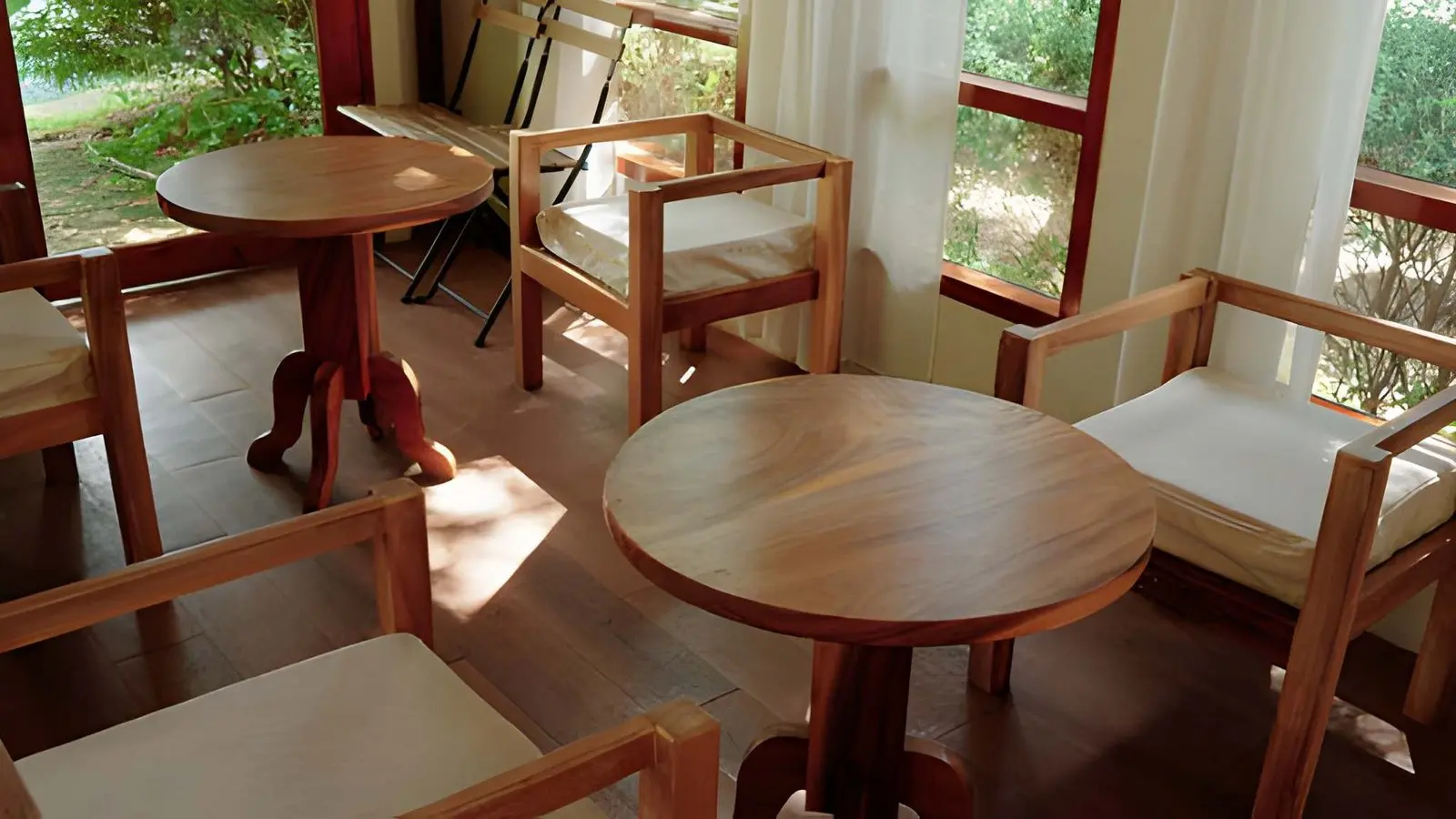
In the realm of interior design, certain elements stand out for their enduring appeal and versatility. One such element is the coffee table. These functional pieces serve as both a practical addition to living spaces and a statement piece that can elevate the aesthetic of a room.
The Origin and Evolution of Coffee Tables
The concept of the coffee table has a rich history, with its roots traced back to the late Victorian era. Originally designed for the purpose of serving tea, the modern interpretation became popular as a low table placed in front of the sofa, primarily in drawing rooms. Over the years, their design and functionality evolved, adapting to changing trends in interior decor.
Materials and Design
Contemporary coffee tables are crafted from a wide array of materials, including wood, metal, glass, and combinations thereof. The choice of material significantly impacts the table’s durability, appearance, and integration into the existing decor. Wood, being a traditional material, offers a warm and timeless look, while glass and metal provide a more modern and sleek appearance.
Styles and Shapes
From rectangular and oval to abstract geometrical designs, coffee tables are available in myriad shapes and sizes. Each shape serves a unique purpose and complements varied styles of furniture. While a rectangular table pairs well with lengthy sofas, a round or oval table can make smaller rooms feel spacious, enhancing the flow of movement.
The Functional Aspects
Coffee tables are more than just decorative pieces. They offer practical benefits, including surface space for books, drinks, or decorative items. Many modern designs incorporate additional storage options with shelves or drawers, enhancing their utility. This functionality makes them indispensable in both minimalist and expansive living spaces.
Choosing the Right Coffee Table
Selecting the perfect coffee table requires consideration of several factors. The size of the room, existing furniture, colour schemes, and the primary intended use are crucial in guiding this decision. A well-chosen table harmonises with its surroundings, fulfilling both functional and aesthetic needs.
Proportions and Space
It is essential to ensure that the coffee table is proportional to the surrounding furniture and space. A table that is too large can overwhelm a room, while one that is too small might fail to make an impact or serve its intended function adequately.
Complementing Existing Decor
Another crucial consideration is the table’s ability to complement the existing decor. Matching the table’s style and material with other furniture pieces fosters a cohesive look within the living space.
The Versatility of Coffee Tables
Apart from serving as a resting place for drinks and snacks, coffee tables can act as a surface for showcasing decorative items such as vases, books, or candles. They can be customised to reflect personal tastes or seasonal adjustments, proving their versatility beyond traditional uses.
Blending with Seasonal Decor
Homeowners often seek to update their living rooms according to the changing seasons. Coffee tables offer a convenient surface for displaying seasonal decor pieces, allowing for easy updates that reflect current trends or holiday themes.
Emphasising Personal Style
Personal style can be highlighted through the choice of coffee table accessories. Whether with a minimalist approach or a more elaborate arrangement of items, the coffee table often acts as a central focus in a room, drawing attention and admiration.
Sustainability Considerations
In today’s environmentally conscious world, the sustainability of materials used in furniture production is becoming increasingly important. Opting for eco-friendly materials and manufacturing processes can reduce the environmental impact, making coffee tables a responsible choice for the eco-aware consumer.
Reclaimed Materials
Utilising reclaimed wood or recycled metal can provide a coffee table with a unique character and history. These materials not only contribute to sustainability efforts but also add an element of story and charm to any living space.
In conclusion, coffee tables serve as a fundamental component in living areas, blending functionality with style. By considering material, design, and sustainability, one can choose a coffee table that enhances the living environment while aligning with personal values and aesthetic preferences.
Also Read
- 4 Practical Ways To Stretch Any Tech Budget
- Metaphors for Life: 30+ Powerful Ways to Describe Life’s Journey


