
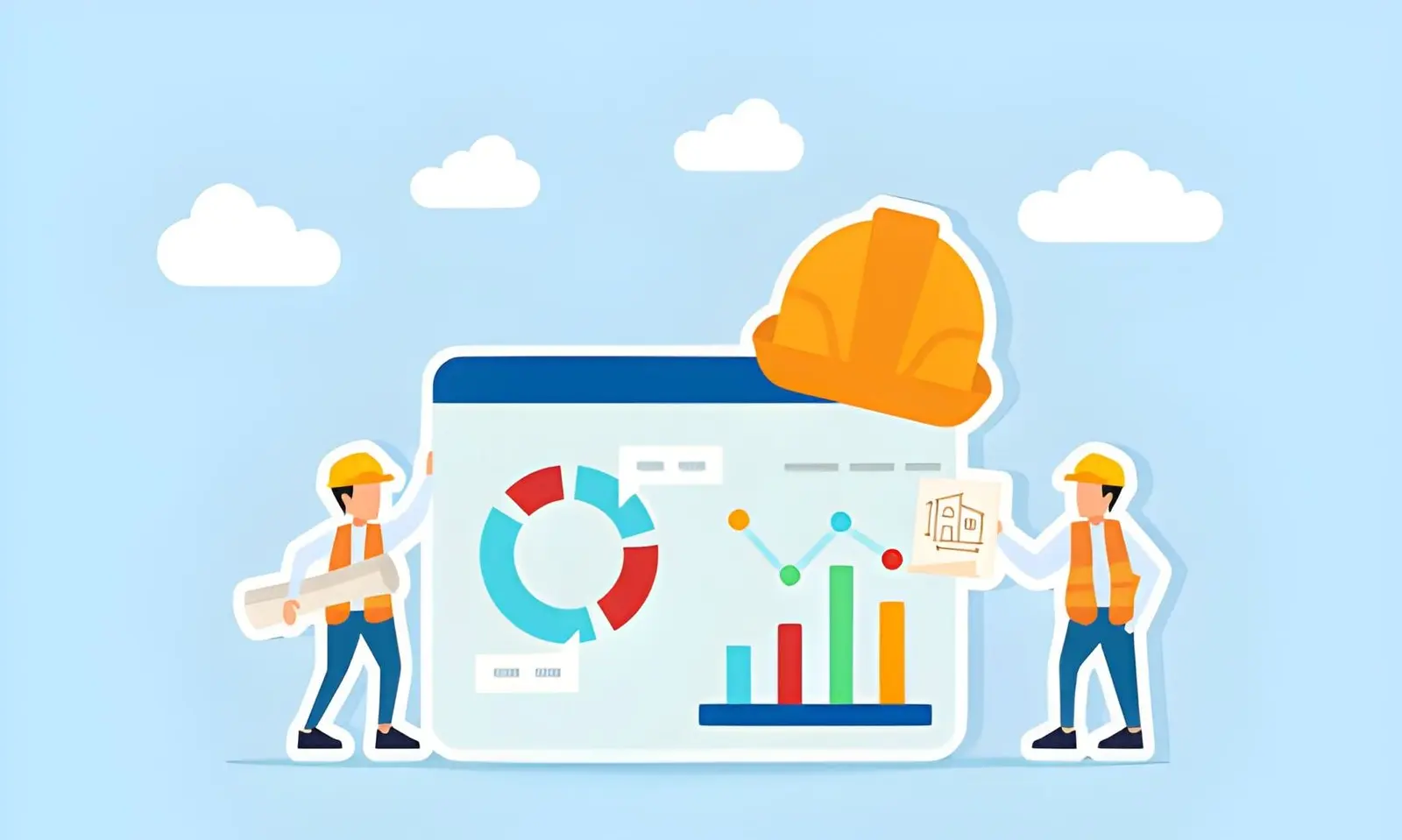
Construction management is a complex discipline that involves coordinating numerous tasks, resources, and stakeholders to complete projects effectively and on time. With growing project sizes and increasing complexity, traditional management methods can no longer suffice. One pivotal advancement that has transformed the sector is the adoption of project management software for construction. These digital tools provide a systematic approach to overseeing every phase of construction projects, bringing enhanced efficiency and control.
The Challenges in Construction Management
Construction projects often face unique challenges such as tight schedules, budget constraints, resource allocation, regulatory compliance, and communication barriers among diverse teams. Project managers must ensure all elements align perfectly to avoid costly delays and budget overruns. Managing these factors through manual processes or fragmented systems often leads to inefficiencies and errors that hamper progress.
Benefits of Project Management Software in Construction
Project management software specifically designed for construction addresses these issues by centralising data, facilitating real-time collaboration, and automating routine tasks. It enables managers to plan, track, and document project activities efficiently, thus reducing risk and increasing visibility over the project lifecycle.
One of the key benefits includes improved scheduling. Construction projects typically involve multiple subcontractors and sequential tasks. Software platforms provide interactive scheduling tools that adjust timelines dynamically when changes occur, helping to maintain smooth workflows.
Budgeting and cost control also see significant enhancement. The software allows for precise tracking of expenses relative to the budget, thereby giving project managers the insights needed to minimise financial risks. Real-time budget updates ensure that any deviations are spotted early and corrective actions are taken promptly.
Streamlining Communication and Collaboration
Efficient communication is fundamental to construction management. With numerous parties involved – from architects and engineers to subcontractors and suppliers – ensuring everyone is informed and aligned is essential. Project management software often includes integrated communication tools such as messaging, file sharing, and updates notifications that keep all stakeholders connected.
This connected approach reduces misunderstandings and accelerates decision-making procedures. The centralisation of documents and project information also simplifies access to critical files, enhancing transparency and accountability.
Risk Management and Compliance Assurance
Construction projects are subject to various risks including safety hazards, environmental regulations, and contractual obligations. Project management software supports risk assessment by providing tools to identify potential issues early and implement mitigation strategies. Additionally, it offers features for compliance tracking, enabling teams to adhere to legal and industry standards effectively.
Customisation and Scalability
Every construction project is unique, and hence, the management software must be adaptable. Many programs allow customisation to suit project-specific requirements, such as tailored reporting, workflows, or integration with other specialised systems. This flexibility ensures that the software grows with the organisation’s needs, whether managing small-scale residential builds or large commercial developments.
Case for Investing in Project Management Software for Construction
Integrating robust project management software is a strategic investment for any construction firm aiming to enhance operational efficiency. It not only frees managers from administrative burdens but also drives better project outcomes through data-driven decision-making and process optimisation. Construction companies that leverage such technology are better positioned to deliver projects on time, within budget, and to the expected quality standards.
Overview of Features Typically Found in Construction Management Software
Construction-focused project management tools frequently include a range of features: scheduling and calendar functionalities, resource management, budgeting and cost tracking, document management, workflow automation, reporting and analytics, mobile access, and safety management tools. These components collectively ensure comprehensive oversight and control throughout the project duration.
Integration with Other Construction Technologies
Modern software solutions also offer integration capabilities with other construction-related technologies such as Building Information Modelling (BIM), procurement platforms, and financial accounting systems. Such integrations facilitate seamless data exchange and holistic project management, further improving operational efficiency.
Conclusion
The construction industry is evolving rapidly, with project complexity and stakeholder demands escalating. Project management software for construction plays a pivotal role in streamlining operations, facilitating communication, enhancing scheduling accuracy, and ensuring cost control. The adoption of such tools is essential for construction professionals seeking to remain competitive and deliver superior project results.
For those interested in exploring options to enhance their construction project management, project management software for construction offers a reliable and feature-rich platform designed to meet the demanding needs of modern construction projects.
Also Read
- The Role of Private Lenders in Supporting Business Expansion and Investment
- Metaphors for Pregnancy: 30+ Powerful Ways to Describe the Journey of Life
- Why Is Fast Water Damage Restoration Important Even When Damage Looks Minor?