
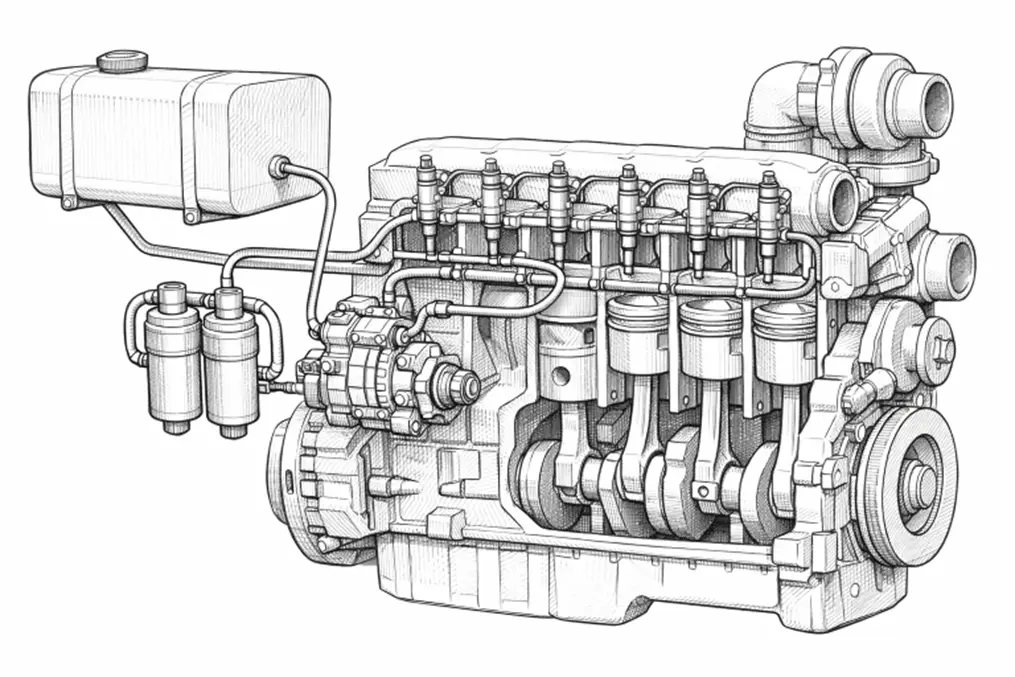
Maintaining the fuel system in heavy-duty engines is fundamental for ensuring performance, reliability, and extended service life. Skilled attention to fuel system components not only enhances operational efficiency but also helps avoid unexpected breakdowns that can halt operations for commercial fleets or individual owners. One engine commonly used in demanding applications is the Cummins ISM engine. Whether operating in long-haul trucks or heavy machinery, all diesel engines benefit from diligent fuel system care. Ignoring fuel system maintenance can result in cascading failures that are both expensive and time-consuming to address. Issues arising from clogged filters, contaminated fuel, or faulty injectors can immobilize equipment and decrease productivity. Understanding the most frequent fuel system challenges and employing regular, proactive checks keeps downtime to a minimum and safeguards vital assets. Implementing best practices can dramatically reduce operational costs and preserve overall fuel system health.
Heavy-duty engines must not only meet rigorous performance demands but also comply with increasingly strict emissions regulations. Technological advancements, such as integrated DEF (Diesel Exhaust Fluid) systems, have added new layers of complexity and risk. When maintenance is neglected, engine derates or shutdown events can occur, disrupting schedules and straining budgets. Adopting a thorough, preventative maintenance routine helps mitigate these risks and supports business continuity across the fleet. For operators, understanding the warning signs of fuel system trouble is a major advantage. Early detection means you can take swift corrective action, avoiding more expensive repairs and unsafe operating conditions. The fuel system is interconnected with other engine components, so a minor oversight can quickly escalate into major concerns if not addressed promptly.
Fuel Contamination
Fuel contamination remains the leading cause of engine failure in commercial and industrial diesel engines. Water, dirt, rust particles, and microbial growth can enter the fuel supply, corroding components and damaging sensitive parts like injectors. Water in diesel, for example, can disrupt proper atomization, reduce horsepower, and limit combustion efficiency. To counteract these issues, regular tank cleaning and scheduled inspections are recommended, particularly when operating in humid or wet environments.
Clogged Fuel Filters
Fuel filters are the first line of defense against debris and contamination. Over time, they inevitably accumulate particulates and need to be replaced. When filters become excessively clogged, fuel flow is restricted, making engines hard to start and causing rough idling or even stalling. For heavy-duty engines, using high-quality filters and adhering to the manufacturer’s replacement intervals is critical. Timely fuel filter changes are part of essential preventive care, minimizing the risk of high repair costs and extended downtime.
Fuel Pump Failures
The fuel pump drives diesel from the tank to the engine with the correct pressure and volume. When contaminated fuel, low-quality filters, or electrical faults occur, the fuel pump is at risk of failure. Common symptoms include erratic power delivery, difficulty starting, or intermittent engine stalling. To prevent pump failure, operators should regularly monitor fuel pressure, listen for abnormal noises, and ensure only clean diesel fuel passes through the system. Addressing early pump warnings saves on labor and parts costs down the line.
Faulty Fuel Injectors
Fuel injectors are designed to deliver precise amounts of diesel at high pressures directly into the combustion chamber. Clogged, leaking, or worn injectors can cause poor fuel atomization, leading to rough running, reduced power, and higher emissions. Using premium diesel fuel and additives to limit carbon buildup is a best practice, along with periodic inspection and servicing of injector nozzles. Replacing faulty injectors at the first sign of trouble ensures reliable operation and compliance with emissions standards.
Fuel Line Leaks
Fuel lines are vital conduits that transport diesel within the engine. Over time, exposure to heat, vibration, and contamination can cause lines to develop cracks, wear, or loosened fittings. Even small leaks can result in fuel loss, lower fuel economy, and increased fire risk. Regular physical inspections for damp spots, discoloration, or odor help to spot leaks early. Prompt remediation of leaks keeps your operation safe and reduces unnecessary downtime caused by fuel delivery issues.
DEF System Malfunctions
Diesel Exhaust Fluid (DEF) systems play an essential role in meeting modern emissions standards by reducing harmful nitrogen oxide (NOx) levels. However, issues like sensor failures or contamination can cause DEF systems to prompt the engine to derate or even shut down automatically. Recent EPA guidance allows manufacturers to use alternative NOx systems when sensors fail, helping to avoid unnecessary vehicle downtime. Staying up to date on regulatory changes and maintaining the DEF system per manufacturer instructions are essential for uninterrupted compliance and productivity. For the latest industry updates, refer to the EPA News Release.
Preventive Maintenance Tips
- Routinely inspect and clean all fuel tanks to prevent the accumulation of contaminants.
- Replace fuel filters per manufacturer intervals to maintain steady fuel flow.
- Monitor fuel pressure and address any abnormal sounds from the pump without delay.
- Use only high-grade diesel fuel and keep injectors clean to ensure optimal engine combustion.
- Check all fuel lines for cracks, loose fittings, or signs of leaks during regular service checks.
- Follow manufacturer and EPA recommendations for DEF system maintenance and calibration.
Conclusion
Thorough fuel system maintenance is crucial for heavy-duty engine reliability, efficiency, and compliance. Regular inspections, scheduled part replacements, and close attention to DEF components are preventive measures that help protect against costly disruptions. By recognizing the common challenges and applying effective solutions, engine operators can extend service life, reduce unplanned expenses, and keep essential equipment running at peak performance.
Also Read
- 4 Practical Ways To Stretch Any Tech Budget
- Expanding Reach Online: Essential Strategies for Local Businesses in 2026
- The Art of Adaptive Reuse: Breathing New Life into Historic Structures