
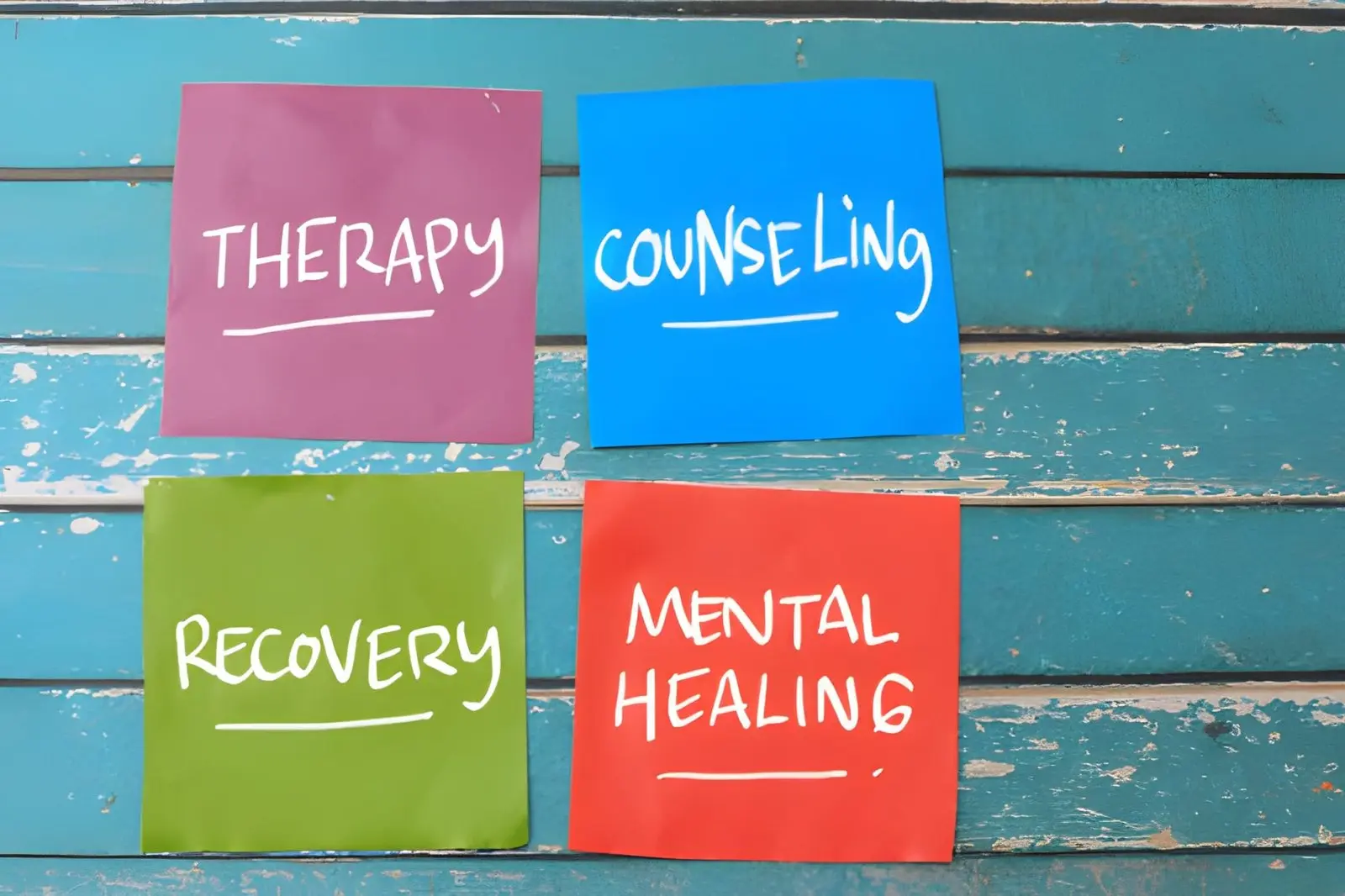
Behavioral health recovery is a gradual process that rarely follows the same path for every person. Emotional needs, daily challenges, and recovery goals can change over time, making it important for treatment to evolve as progress is made. Evidence-based therapies provide structured approaches supported by clinical research while helping individuals develop healthier thoughts, behaviors, and coping strategies. This article explains why different stages of behavioral health recovery require different therapeutic approaches, how evidence-based therapies address changing needs, and why personalized care supports long-term emotional wellness.
Why Recovery Needs Change From One Stage to the Next
Recovery begins with different priorities than those needed later in treatment. During the early stages, many people need help managing emotional distress, stabilizing daily routines, and developing healthy coping strategies. As recovery progresses, treatment gradually shifts toward strengthening resilience, improving relationships, and preparing for long-term emotional wellness.
For example, TAL Behavioral Health demonstrates how treatment plans can be adjusted throughout recovery so that therapeutic approaches continue reflecting each person’s changing needs and personal goals. Matching therapy to the stage of recovery helps people receive appropriate support instead of relying on a single treatment method throughout the entire process.
How Evidence-Based Therapies Address Different Recovery Goals
Each evidence-based therapy is designed to address specific emotional or behavioral challenges. Rather than using one approach for every situation, professionals select therapies that best support an individual’s current needs and recovery objectives.
Some commonly used approaches include:
- Cognitive Therapy to develop healthier thinking patterns.
- Dialectical Behavior Therapy (DBT) to strengthen emotional regulation.
- Acceptance and Commitment Therapy (ACT) to encourage psychological flexibility.
- Trauma-informed therapy to address the effects of past experiences.
- Individual therapy to explore personal challenges and recovery goals.
- Group therapy to build communication skills and peer support.
Using multiple evidence-based therapies allows treatment plans to remain responsive as recovery continues.
Signs Treatment Approaches May Need to Change During Recovery
Recovery is rarely a straight line, and treatment plans should reflect the progress people make along the way. As emotional health improves and recovery goals change, different therapeutic approaches may become more beneficial than those used during the early stages.
Professionals regularly evaluate progress by considering emotional stability, coping abilities, daily functioning, relationships, and personal goals. These ongoing assessments help determine when treatment adjustments can provide additional support while encouraging continued personal growth and emotional resilience.
How Personalized Therapy Supports Long-Term Emotional Wellness
Long-term recovery depends on more than completing a treatment program. Continued emotional growth requires practical coping skills, healthy relationships, and the ability to respond confidently to future challenges. Personalized therapy helps people continue strengthening these abilities as their recovery develops.
Programs offered by providers such as TAL Behavioral Health, for example, illustrate how evidence-based therapies can be combined into individualized treatment plans that continue supporting emotional wellness beyond the earliest stages of recovery. This flexible approach helps people maintain healthy habits, improve decision-making, strengthen resilience, and continue making meaningful progress long after treatment has begun.
Behavioral health recovery continues evolving as people overcome challenges and reach new milestones. Evidence-based therapies provide practical tools that address emotional, behavioral, and interpersonal needs throughout every stage of this journey. When treatment remains flexible and reflects individual progress, people become better prepared to manage everyday challenges, strengthen emotional well-being, and build a lasting foundation for healthier living and long-term recovery.
Also Read
- 4 Practical Ways To Stretch Any Tech Budget
- Unlocking Growth: How Unsecured Business Loans Empower Your Business Expansion