There’s a real weight to how people talk about digital art right now. You hear “AI slop” thrown around a lot, especially when the work feels flat or rushed. Nano Banana 2 tends to take the blame, like it’s somehow drained the soul out of everything. It’s easy to get swept up in that and push back against it entirely. But if you look at how things usually play out, ignoring a shift like this doesn’t really stop it. It just makes it harder to keep up later on. While the gut reaction is to reject these automated systems, a more grounded approach involves looking at how these tools actually function in a professional setting. Instead of fighting a global shift that has already scaled up, it makes more sense to figure out how to direct these machines with actual human intent.
Table of Contents
- Nano Banana 3: The Permanent Lesson
- What We Picked Up From Nano Banana 2
- AI Figures and Their Precious Utility
- Speed Meets Accuracy With Nano Banana Flash
- Stepping Up Performance With Nano Banana Pro
- Ethics and the Framework of Nano Banana AI
- AI Figure: The Unnecessary Phobia
Nano Banana 3: The Permanent Lesson
Things tend to get more heated once a tool like Nano Banana 3 starts showing up everywhere in everyday work. It raises the bar on detail so much that it can feel a little off at first, especially if you’re coming from older methods. You look at the results and it’s hard not to wonder if something human is slipping out of the process. But most of the time, what comes out says more about the input than the tool itself. The limitations usually come from how it’s being guided.
Working with Nano Banana 3 starts to make more sense once you treat it like a tool that handles the heavy lifting. It takes care of the execution, while the bigger creative calls still sit with you.
What We Picked Up From Nano Banana 2
To see the trajectory clearly, we have to remember that Nano Banana 2 was the stage where most creators first got their hands dirty with generative tech. It wasn’t a perfect system, and it often required a lot of trial and error to get a usable result. Even so, Nano Banana 2 proved that this technology was more than a passing trend. Those who spent time learning its quirks found that the subsequent updates were much easier to handle because the basic logic of the workflow stayed the same. It was the training ground for the high-speed environment we occupy now.
AI Figures and Their Precious Utility
A lot of the backlash right now is aimed at how AI figures are showing up in ads and across social media. People see a character built by software and assume it’s all empty, like something real has been stripped out. But that skips over how much human input still goes into making them work. You still need an eye for lighting, a sense of personality, a feel for how it fits the brand.
When they’re used with a purpose, they end up solving real production headaches. Instead of replacing anything, they give you a reliable way to tell a story without everything drifting off-model. That kind of consistency used to take a huge budget to pull off.
Speed Meets Accuracy With Nano Banana Flash
In a world that demands instant updates, Nano Banana Flash has become a critical part of the modern toolkit. The sheer volume of content needed for digital platforms today means that old-school turnaround times are no longer a viable option for most businesses. By using Nano Banana Flash, a small team can iterate on dozens of concepts in a single afternoon. This speed doesn’t have to result in “slop” if the person at the helm is willing to filter the results. It simply means you have more chances to find the one perfect visual that actually resonates.
Stepping Up Performance With Nano Banana Pro
When a project grows beyond a simple experiment, many professionals naturally move toward Nano Banana Pro. This version is designed for those who need higher stability and more complex video output without the extreme costs of a traditional studio. Choosing Nano Banana Pro allows a single creator to manage the output of an entire department, keeping things affordable while maintaining a professional standard. It’s really just a practical way of keeping up with how fast things are moving. You can scale what you’re doing without burning yourself out in the process.
Ethics and the Framework of Nano Banana AI
There’s also a real conversation happening around Nano Banana AI, especially about transparency and where the data comes from. Questions about credit and ownership aren’t going away, and they shouldn’t be brushed aside either. But pretending the tool doesn’t exist doesn’t fix any of that. If anything, the only way to shape where it goes is to actually use it with some care and push for better standards while doing it. It’s not disappearing, so staying part of the process matters.
AI Figure: The Unnecessary Phobia
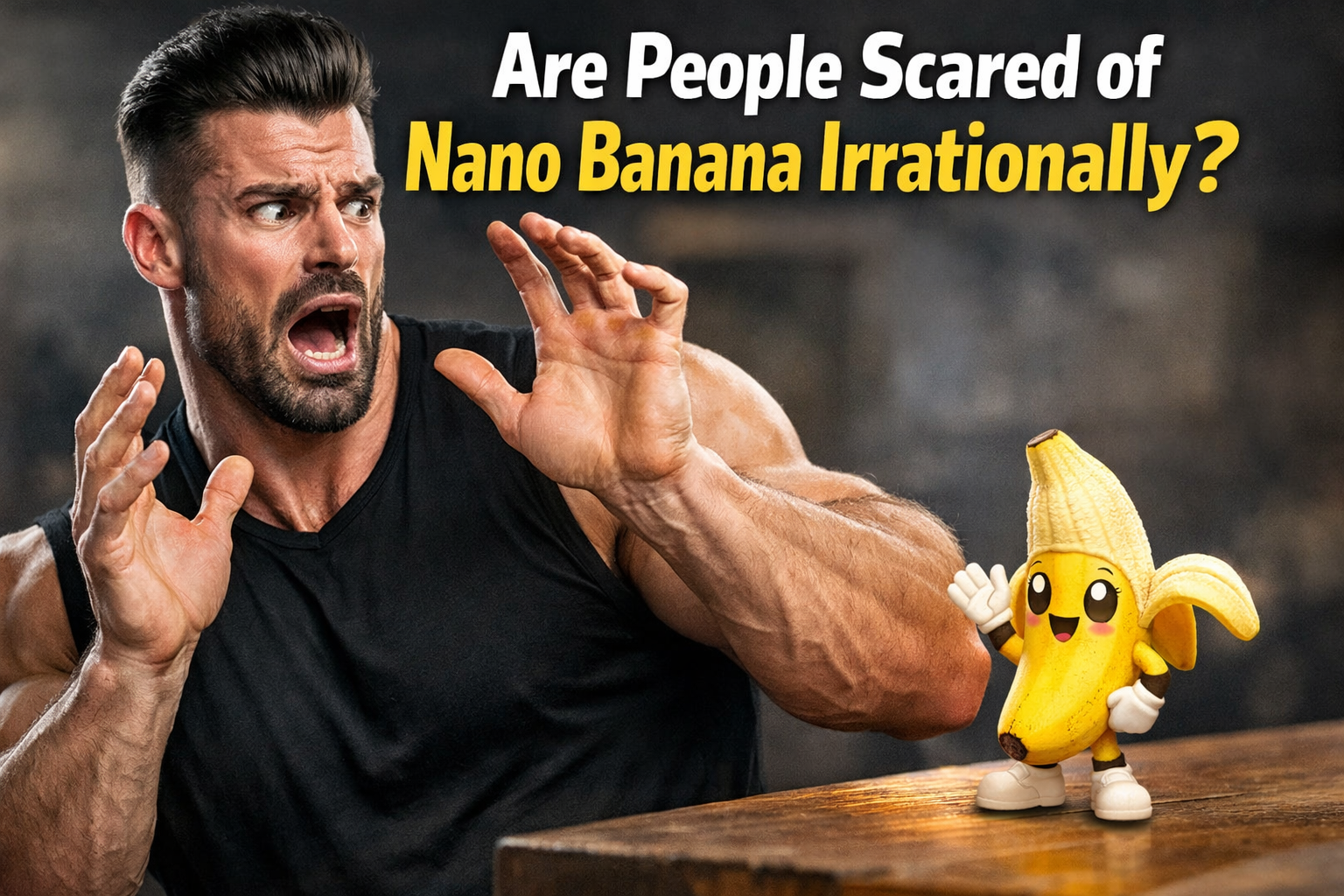
How people react to AI figures tends to come down to perspective. You can see it as something that blocks the way, or something you can use to climb a bit higher. These tools are already part of the landscape. Most of the low-effort output people complain about comes from how they’re used, not the tools themselves. When you take the time to guide them properly, they stop feeling like noise and start giving you an edge. Whether you’re using a basic version or something more advanced, it still comes back to the same thing. Getting your idea across clearly. That’s never something to be scared of.
Read more: Why OpenClawd AI Is Changing The Automation Standard – metaphorhaven.com
From EHS Fundamentals to EMS Software: A Complete Guide for Modern Enterprises – metaphorhaven.com
Deep Cleaning Guide for Healthy Gums in Winnipeg – metaphorhaven.com