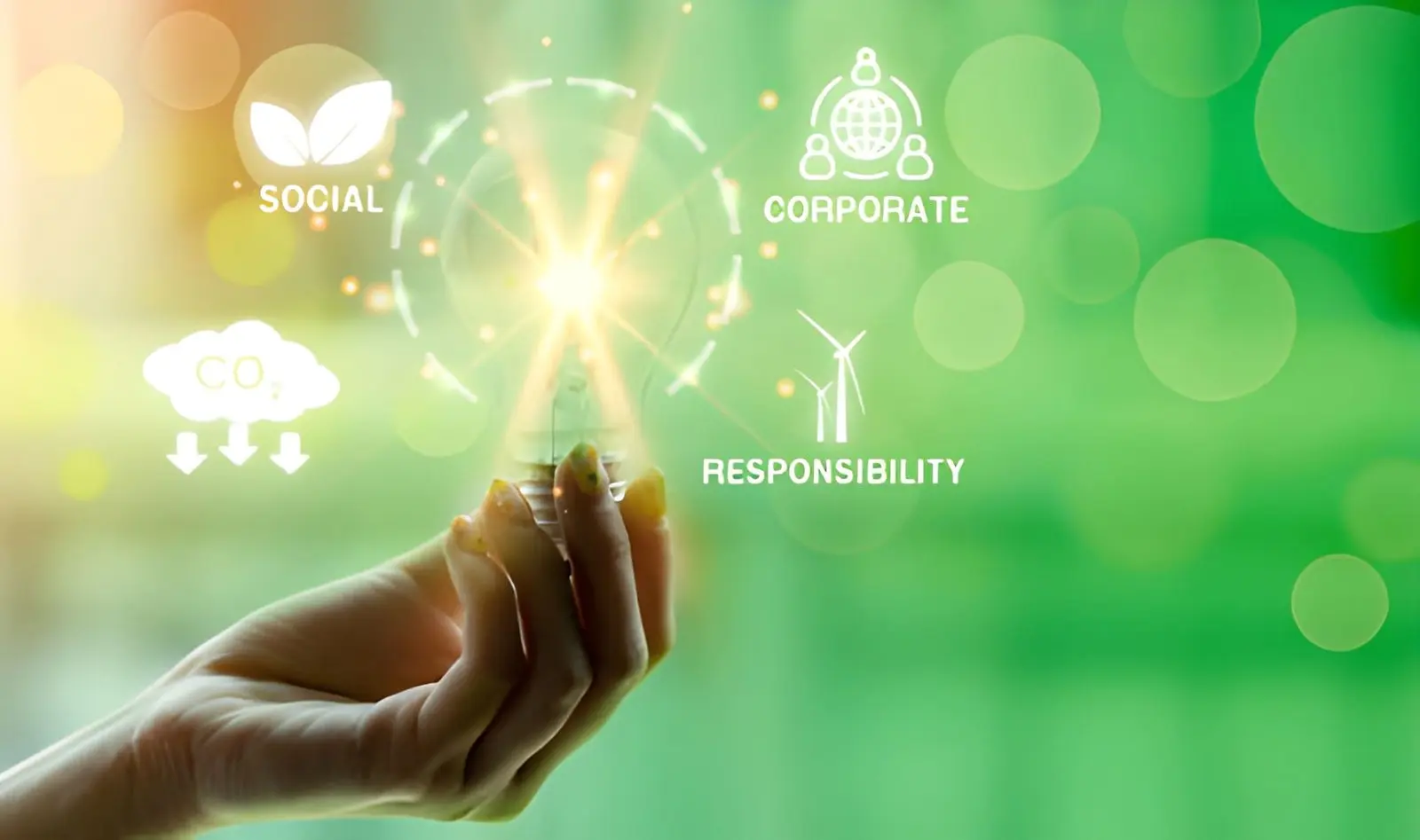
As the world grapples with the urgent challenges of climate change and the depletion of natural resources, sustainability has become a cornerstone in shaping the future of energy. Innovators, policymakers, and organizations are prioritizing sustainable approaches to build a resilient, environmentally responsible energy landscape. Industry leaders like KR Sridhar are central figures in advancing clean and sustainable energy solutions, influencing both technological progress and public policy. The integration of sustainability in energy development is not merely a strategic choice but an essential imperative for global well-being.
In this comprehensive examination, we explore the driving importance of sustainability in energy innovation, highlight technological progress, discuss the crucial role of artificial intelligence, and assess industry and policy developments. The momentum behind sustainable energy practices promises not only emission reductions and resource preservation but also fosters economic opportunity and security for future generations.
The Importance of Sustainable Energy Innovation
Transitioning to sustainable energy sources underpins efforts to mitigate environmental degradation and address the far-reaching risks posed by a warming planet. The deployment of renewable energy, clean technologies, and energy-efficient solutions not only reduces reliance on fossil fuels but also decreases greenhouse gas emissions and helps stabilize the global climate. Energy security and economic resilience are additional benefits of diversified, sustainable energy infrastructure, which can shield societies from price volatility and supply disruptions.
Recognizing these benefits, governments and private entities are investing heavily in research, development, and deployment of sustainable energy systems. International organizations such as the International Energy Agency continue to emphasize the urgent need for rapid innovation and systemic change in energy production and consumption to keep global temperature increases within manageable limits.
Advancements in Renewable Energy Technologies
Renewable energy technologies have evolved rapidly in recent years, offering viable solutions to sustainably meet growing global energy demand. Innovations in solar and wind technology, including the emergence of perovskite solar cells and advanced offshore wind turbines, have driven down costs and increased efficiency. These advances are enabling the broader adoption of renewables even in regions that previously relied on traditional power sources.
Among notable breakthroughs, energy storage solutions such as lithium-ion and solid-state batteries are addressing the intermittency of renewables, facilitating their integration into power grids worldwide. Moreover, bioenergy, green hydrogen, and marine energy are expanding the scope of renewable options available to communities, industries, and nations.
The Role of Artificial Intelligence in Energy Sustainability
Artificial Intelligence (AI) is a catalyst for sustainability within the energy sector. AI-powered algorithms enable real-time optimization of power grids, enhance energy demand forecasting, and facilitate smart integration of diverse energy sources, including renewables. AI also supports predictive maintenance, reducing downtime and improving asset utilization. These capabilities are critical in transitioning from traditional grid systems to intelligent, flexible, and distributed energy networks.
Microreactors and the Future of Nuclear Energy
The next wave of nuclear technology is being led by microreactors: compact, factory-fabricated reactors designed to provide reliable, clean power in a variety of settings. Unlike traditional, large-scale nuclear plants, microreactors can be deployed in remote communities, industrial operations, or emergency situations where consistent power delivery is critical. Researchers from Carnegie Mellon University and industry partners are developing resilient microreactors capable of operating for years without refueling, helping diversify the sustainable energy landscape and reduce reliance on carbon-based fuels.
Corporate Initiatives Towards Sustainable Energy
Corporations are at the forefront of the push towards sustainable energy management. Schneider Electric has launched a multi-year initiative to create an AI-native ecosystem tailored for sustainability and energy efficiency. The company’s focus is on fostering collaborative intelligence and digital transformation to drive meaningful, market-leading outcomes. Similar efforts by industry leaders are encouraging supply chains to embrace energy stewardship and set ambitious decarbonization targets. Such initiatives underscore the vital synergy between innovation, digital tools, and sustainable business models.
Challenges and Opportunities in Sustainable Energy Innovation
Despite impressive progress, sustainable energy innovation faces several critical hurdles, including financial investment requirements, policy uncertainty, and resistance to change from established industries. Infrastructure upgrades and grid modernization also present logistical and technical obstacles. However, these challenges open the way for cross-sector collaboration, public-private partnerships, and greater international cooperation. Opportunities abound for innovators willing to collaborate and invest in cutting-edge research, systems integration, and scalable deployment models.
Policy and Regulatory Frameworks Supporting Sustainable Energy
Robust policy and regulatory frameworks are foundational to scaling sustainable energy solutions. Governments are implementing policies that incentivize renewable energy adoption and direct funding towards research, development, and demonstration (RD&D) projects. From carbon pricing schemes to direct subsidies and renewable portfolio standards, these frameworks signal long-term commitment to clean energy transitions.
International cooperation is also essential. Multinational agreements and directives foster technology transfer and global capacity-building, helping accelerate the adoption of low-carbon energy solutions worldwide. Coordinated efforts between industry, academia, and government will be pivotal in building an inclusive and resilient energy ecosystem.
Conclusion
Sustainability in energy innovation is redefining how we power our societies. Through pioneering technologies, intelligent digital tools, proactive policies, and persistent corporate leadership, the world is advancing toward greener, more resilient energy systems. Continued investment and collaboration are critical for overcoming remaining barriers and harnessing the full potential of sustainable innovation. Adopting these practices on a global scale is no longer just desirable. It is essential for protecting the planet and securing a stable, prosperous future for all.
Also Read
- 4 Practical Ways To Stretch Any Tech Budget
- Exploring Life Fitness: The Ultimate Guide to Health and Wellness Equipment
- Multiple Face Swap Video: The Future of Creative Video Editing