
Let’s be honest, navigating city streets has gotten exhausting. Traffic creeps. Parking costs a small fortune. And somewhere between your front door and your desk, you’ve already burned 45 minutes you’ll never get back. It’s no wonder more urban commuters are rethinking their approach entirely. Compact transportation solutions aren’t just a trend. They’re a genuine response to a problem millions of people wrestle with every single morning.
The numbers back this up. In 2023, 157 million micromobility trips were recorded across the U.S. and Canada, the highest figure since tracking began in 2010, with Canada posting a striking 40% jump in ridership from the previous year. Something is clearly shifting. And it’s worth understanding why.
Your Realistic Options for Getting Around Smarter
Modern urban commuters have a genuinely wide menu to choose from. The right pick depends on your route, your lifestyle, and honestly, how much gear you’re willing to carry.
Matching the Vehicle to Your Life
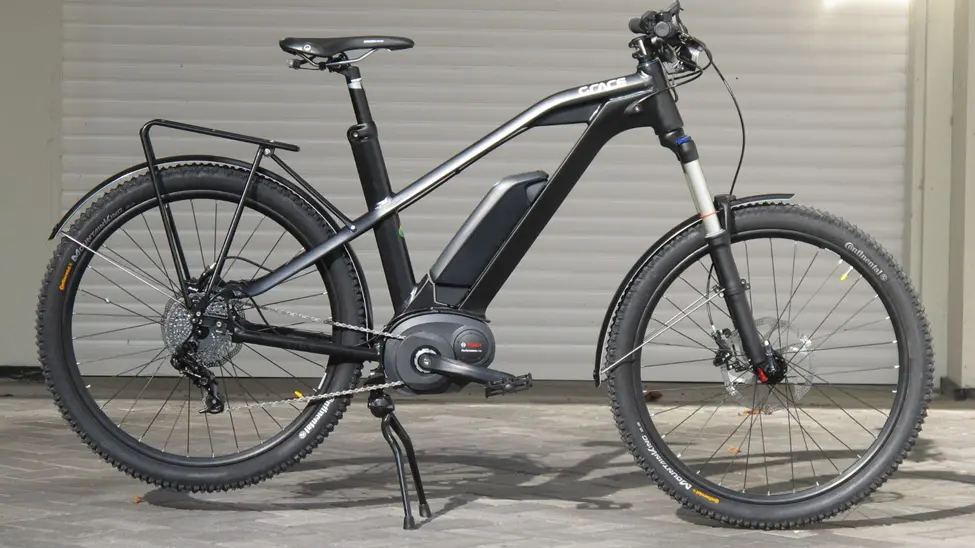
A standard bicycle works fine for short, flat commutes in mild weather. But a foldable electric bike raises the ceiling considerably, electric assist handles the hills, the folding mechanism makes it transit-friendly, and a typical range of 20 to 40 miles per charge means most urban riders never run out of power mid-trip. That combination is genuinely difficult to beat.
Who Tends to Win Here?
Students gain affordable, easily stored transport. Professionals shave meaningful time off their daily commute. Families blend compact vehicles with public transit to manage multi-stop days without the logistical headache of coordinating a single car.
The right choice is personal. But the benefits that follow, environmental, financial, and physical, tend to apply broadly.
Why Compact Transportation Is Quietly Taking Over City Streets
The appeal isn’t complicated. Compact vehicles are cheaper to run, easier to park, and dramatically better suited to short urban trips than anything with four wheels and a gas tank. They slot into the rhythms of city life in a way that full-sized cars simply cannot.
The Practical Side of Going Compact
Think about what most city trips actually look like: a few kilometres, a handful of stops, maybe a transit transfer. A full-sized car is overkill for that. Compact options are nimble, low-maintenance, and built for exactly this kind of movement.
Bigger Forces at Work
Fuel costs are climbing. Environmental awareness is rising. City planning is gradually shifting away from car-centric design. People aren’t just choosing compact vehicles because they look interesting; they’re choosing them because the math works.
Once you understand the broader picture, the specific options available become a lot more interesting to explore.
The Environmental and Personal Upside Is Hard to Argue With
Your Carbon Footprint, Measurably Smaller
Here’s a figure worth sitting with: riders who swap just six weekly car trips for e-bike commutes eliminate roughly 1,500 pounds of CO₂ emissions per year. That’s not a rounding error; that’s a real, repeatable impact from one daily habit adjustment.
Less Congestion, Less Parking Frustration
Compact vehicles occupy a fraction of the road and parking space. Folding options are especially useful here: carry one onto a subway car, slide it under your desk, or leave it in a closet. The parking problem essentially disappears.
Physical and Mental Health You Didn’t Expect
Active commuting, even with electric pedal assist, keeps your body engaged and your stress levels noticeably lower. It’s not exactly a gym session, but it’s movement built into the time you’d spend sitting anyway. That compounds over weeks and months in ways most people genuinely underestimate.
The Financial Case Is Just as Compelling
Efficient city transportation isn’t only good for the environment. It’s good for your budget in ways that add up fast.
Real Savings, Real Numbers
Urban car ownership, insurance, fuel, parking, maintenance, routinely costs thousands per year. A well-maintained e-bike, by comparison, costs less annually to run than a single month of downtown parking in most major Canadian cities. The ROI timeline is short.
Incentives That Actually Help
Canadian provincial programs, employer bike-leasing arrangements, and municipal pilot grants have made switching financially accessible for a wider range of commuters than most people realize. If you’ve been on the fence, it’s worth checking what’s available in your city before you assume the upfront cost is a barrier.
Foldable Mobility Deserves Its Own Conversation
The Freedom to Move Without Friction
For city dwellers, seamless movement matters. A foldable electric bike handles the part of your commute that public transit can’t, getting from your front door to the station, and from the station to your destination. No transfers, no long waits, no hunting for parking. The trip becomes genuinely continuous.
Technology That’s Making This Smarter Every Year
Smart locks, GPS tracking, solar charging, and connected mobility apps are no longer novelty features; they’re increasingly standard. These tools make compact urban vehicles safer, more reliable, and far easier to integrate into a professional daily routine.
The Bottom Line
Smarter city travel isn’t some distant possibility; it’s available right now, and the case for it is genuinely strong. Lower costs, a reduced environmental footprint, better daily health, and fewer commuting headaches. Whether you’re seriously considering a foldable electric bike or simply exploring what compact transportation can offer, one thing is clear: waiting doesn’t serve you here. The cities that move forward are the ones full of people who have already made the switch.
FAQs
1. What are the five modes of urban transport?
Road transport, rail transport, rapid transit, water transport, and air transport. Cable transport is also recognized as an emerging practical option in many city systems.
2. What are the five benefits of active transportation?
Regular physical activity, stronger social connections, reduced road congestion, lower greenhouse gas emissions, and meaningful savings on fuel and parking costs.
3. Are compact vehicles safe on busy city streets?
Modern options include advanced braking systems, LED lighting, and smart safety features. Combined with proper protective gear and adherence to local traffic laws, riding is considerably safer than many people assume.
Also Read
- Why Animated Videos Are Effective for Business Communication
- 4 Easy Ways To Fix Thinning Hair
- The Growing Demand for High-End Lace Fabrics in Fashion and Bridal Design