
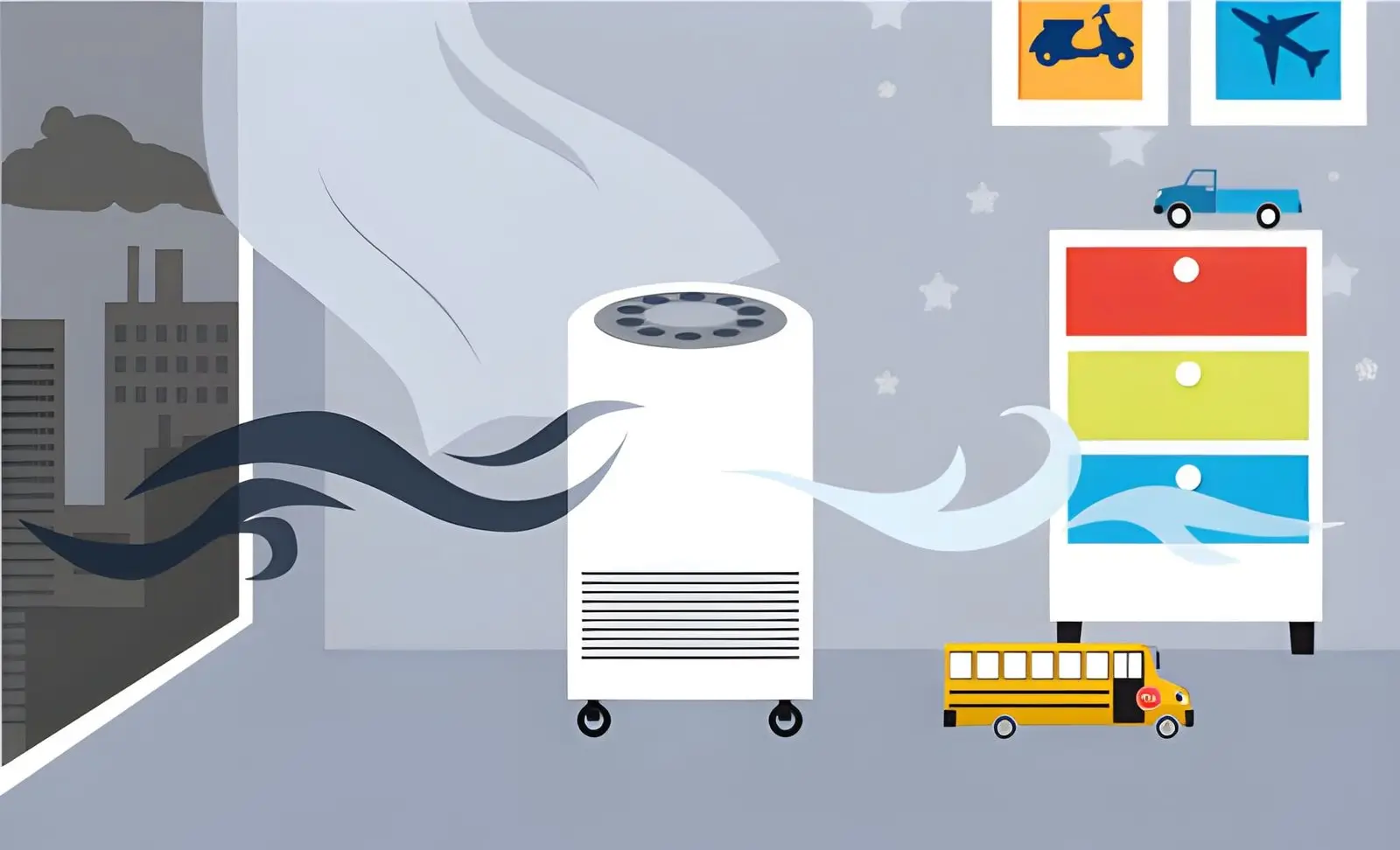
Dehumidifiers are frequently marketed to people who suffer from allergies, asthma, and frequent respiratory infections. On the surface, this claim makes sense. After all, if there’s less humidity in the air then there’s less room for mold spores and dust mites to proliferate.
These two offenders are among the most common indoor triggers for breathing difficulties. But what does the research say? As it turns out, the effectiveness of dehumidifiers for lung health is more complicated than their labels would have you believe.
How Humidity Levels Affect the Lungs
Believe it or not, your lungs hate both high humidity and low humidity. When there’s too much moisture in the air, it feels thick and hot. That stuffy air is harder to pull into your lungs.
According to research published in the American Journal of Respiratory and Critical Care Medicine, inhaling hot humid air caused an immediate increase in airway resistance for asthmatics with mild asthma. Healthy study participants exposed to the same environment felt no notable difference.
Swelling of the airways is just one problem with high humidity. Studies indicate that moisture can actually degrade your epithelial barrier. That’s the thin layer of protection that lines your nasal passages and lungs. Weaken that barrier and allergens have an easier time getting into your system. Your immune response kicks in, and all of your fun breathing symptoms come along for the ride.
On the other end of the spectrum, air that’s too dry isn’t great either. When humidity drops too low, it dries out your nasal membranes and throat. Those membranes are your first line of defense against irritants. When they dry up, it’s easier for those irritants to penetrate—leading to more infections and more flares.
Most experts agree that between 30% to 50% indoor humidity is ideal.
Does a Dehumidifier Really Help?
Dehumidifiers remove moisture from the air via refrigeration or a desiccant process. The end result? Air that has a lower relative humidity percentage. If you live in a humid climate or damp area like the Gulf Coast, your indoor humidity may hover above 60% or higher during the summer. When indoor air is that moist for months on end, mold and dust mites can build up. And those allergens love humidity. In fact, most types of mold won’t thrive until the relative humidity dips below 50%.
Dust mites are invisible bugs that burrow into your mattress, carpet, and upholstered furniture. Their feces is a known asthma and allergic rhinitis trigger. Mold acts pretty much the same way. When spores become airborne, and you breathe them in, they can trigger coughing, wheezing, and congestion. Reducing humidity attacks the ecosystem these allergens need to grow.
Research published in the Journal of Environmental Health found that dehumidifiers (specifically high-efficiency models) paired with HEPA filtration helped reduce airborne mold spores. This was true in high-traffic buildings like daycare centers where air control can be challenging. The authors encouraged clinicians to recommend humidification and dehumidification for both home and office settings.
The Studies on Asthma Inflammation: Promising, But Inconclusive
Now it’s time for a little honesty. When you dig into clinical research about dehumidifiers and asthma symptoms, you’ll find mixed results and quite a few gaps. One large Cochrane Review analyzed dehumidification as a treatment for chronic asthma. The reviewers only found two studies that met their qualifications. One study was older than ten years. The other was a recent double-blind trial that enrolled 120 participants who were allergic to house dust mites.
Instead of using a dehumidifier, researchers decreased humidity with a mechanical ventilation heat recovery system. Study results showed no significant improvement in morning peak flow, quality of life, or asthma-related emergency visits.
Evening peak flow was another matter. Participants showed significant improvement in that one measurement. Although researchers couldn’t draw a firm conclusion from one quantitative result, evening dehumidification might help some asthma sufferers.
The reviewers ultimately said that evidence for moisture extractor treating asthma was “scanty.” That’s hardly a ringing endorsement. But it doesn’t mean you should toss your machine out either. When researchers say something is “scanty,” they simply mean that more research is needed. There just haven’t been enough well-designed studies on the topic.
Does Humidity Impact Your Immune System?
A recently published paper examined how RH impacts the immune system. Scientists found that high humidity increased exposure to allergens like mold and dust mites. It also gave other allergens an easier time getting past your respiratory defenses. High indoor humidity also raised the levels of certain outdoor pollens that made their way inside. However, low RH wasn’t without its drawbacks. Dry air takes a toll on throat and eye moisture.
High stakes research published in Frontiers in Allergy indicated that humidity levels over 90% could induce oxidative stress. That inflammation pathway is associated with the development of asthma. Another exciting finding? Moderate changes in humidity can alter the composition of your gut microbiota. Researchers believe our microbiome alters lung health via the gut-lung connection.
Deeper Than You Think
When most people consider a dehumidifier, they think of a simple box that makes their home feel more comfortable. However, the relationship between humidity levels and the human body is much more complex.
Viruses also spread more easily when humidity is too high or too low. Study results published by Stanford University suggest that dry indoor air may allow respiratory viruses to live longer. Flu seasons and wintertime outbreaks could be partly explained by humidity levels dropping when we use our heater. Too much cold air is drying out our homes.
That’s why both dehumidifiers and humidifiers can play a key role in limiting the spread of airborne illness. If you can keep humidity levels between 40%-60% year-round, you may be able to starve some viruses before they take hold.
How to Use This Information
There are a couple key takeaways from this research. Indoor air that’s too humid will foster mold, dust mites, and airway inflammation. NHS noted that reducing indoor humidity to 50% or lower creates a living environment that triggers hate. A good dehumidifier can help you accomplish that goal, especially if it has a built-in HEPA filter.
Where experts haven’t completely proven ground is that dehumidifiers will reduce asthma symptoms on their own. If that were true, every allergy sufferer would own one by now. Dehumidifiers are not a treatment method. View them as just another tool to improve your indoor air quality. Medicine from your doctor should always come first.
Measure your home’s humidity levels before purchasing a dehumidifier. If the RH hovers above 55% year-round, a dehumidifier can be a smart and research-supported addition to your home.
Case Study: Apartment with Excess Moisture Problem
A long-time renter of a ground-level apartment in Liverpool coughed frequently at night, was congested, and experienced increased asthma attacks during humid winter months. The apartment didn’t air out well naturally, and indoor humidity was usually between 65–75% relative humidity (RH).
He hired someone to conduct an indoor air quality test, where visible moisture on windows was noted, as well as mold growth behind couches and in bathroom corners. Dust mite allergy potential was also considered likely due to the excessive humidity.
He purchased a large-capacity portable dehumidifier for his living room and placed hygrometers around his apartment in order to keep track of indoor humidity levels. He aimed to stay between 40–50% RH indoors. He also purchased a HEPA air purifier and made sure to open windows when weather allowed.
After diligently running the dehumidifier for weeks, indoor humidity reached a stable 45% RH. Mold was no longer spreading, there was significantly less condensation visible, and the entire apartment felt less musty. He continued taking asthma medication as prescribed by his doctor, but experienced less coughing and felt more comfortable breathing at night.
Reducing indoor humidity can decrease common respiratory irritants such as mold and dust mites.
Visit the link more information on indoor mold and respiratory illness: https://www.indoordoctor.com/blog/coughing-home-indoor-air-quality-blame/
FAQ
Will a dehumidifier help my allergies or asthma?
Dehumidifiers can improve your indoor air quality by reducing moisture in the air. This can help decrease irritation caused by mold, dust mites, and certain allergens.
What indoor humidity level is comfortable for breathing?
Ideally, indoor relative humidity should remain between 30% and 50%. While some humidity prevents dry skin and irritable airways, too much will promote the growth of unwanted allergens.
Can I use a dehumidifier to cure my asthma?
No, do not use a dehumidifier in place of asthma medication or professional medical advice. Dehumidifiers can help reduce triggers, but you should always follow the recommendations of your doctor.
Why does it feel more difficult to breathe when it’s humid outside?
Heavy, humid air may increase airway irritation and promote mold and mildew growth. It also allows for more allergens to accumulate in your home.
Can breathing be affected by dry air?
Dry air can irritate your nasal passages, throat, and lungs. This can leave you more susceptible to infection from viruses and other irritants.
Should I test my humidity levels before purchasing a dehumidifier?
We recommend using a hygrometer to assess your indoor air before buying a dehumidifier. If your indoor humidity stays around 55–60% or higher during most of the year, you can benefit from reducing moisture in the air.
Also Read
- 35+ Creative Metaphors for Technology (With Meanings & Examples)
- 27+ Powerful Metaphors for Business (With Examples & Meaning)
- Metaphors for Trees: 38+ Creative Ways to Describe Growth, Strength, and Life