
The Shift in Customer Expectations
Today’s customers are no longer satisfied with simply receiving a quality product or service. They expect a personalized, frictionless, and transparent experience at every interaction. Advances in technology have made it easier than ever for customers to compare options and seek out providers who cater to their needs and values. This shift has led many companies to reconsider how they approach customer experience and the importance of expert guidance from a customer experience design agency to reimagine their strategies.
Studies increasingly highlight that the interactions customers have with a brand can be just as crucial to their satisfaction and loyalty as the products or services themselves. For example, a Salesforce survey found that 88% of customers say the experience a company provides is as important as its offerings. As consumer standards evolve, businesses must rethink their engagement strategies or risk falling behind.
Companies face mounting pressure to meet these elevated expectations. Many factors drive this change, including widespread digital transformation, increased social connectivity, and greater customer awareness around choices. The expectations for efficient communication, fast issue resolution, and easy access to information have soared in a competitive marketplace.
At the same time, the desire for meaningful relationships with brands has grown. Customers now assess companies not just on what they deliver, but on how they do so—valuing authenticity, ethical behavior, and transparency in business practices.
Personalization at Scale
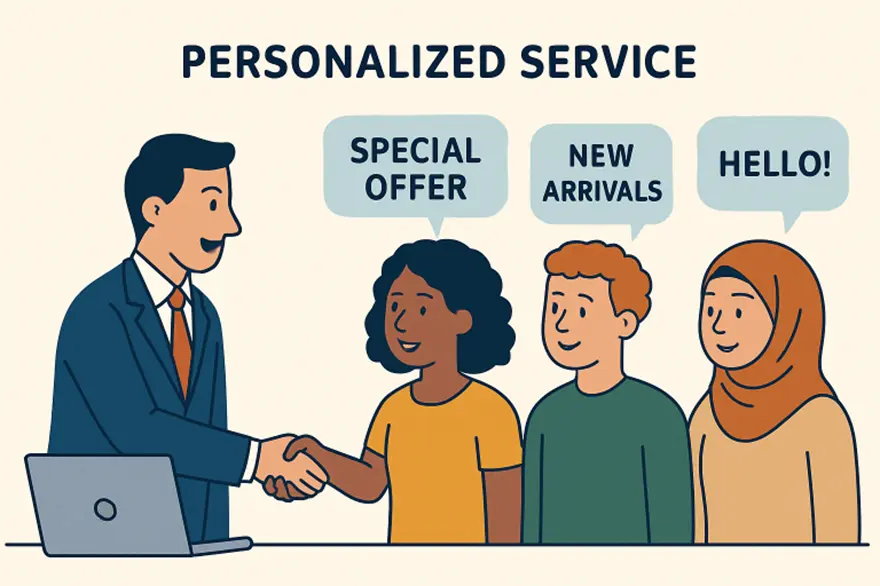
Today’s consumers want to feel unique, expecting brands to understand and anticipate their needs through personalization. Leveraging artificial intelligence and data-driven insights, businesses can tailor recommendations, messaging, and service, creating interactions that feel less transactional and more tailored to individual preferences.
According to research from McKinsey, companies that excel at personalization can achieve revenue gains of 10 percent or more. Personalized experiences drive loyalty, enhance satisfaction, and increase the likelihood of repeat business. From email content to product suggestions, personalization has become a foundational element of successful customer engagement strategies.
The introduction of machine learning algorithms enables firms to move from basic segmentation to real-time customization, responding to behavioral signals instantly. This trend is especially apparent in industries such as retail, finance, and hospitality, where understanding customer preferences can have a direct impact on top-line growth. For more context on this evolution, see the recent Forbes analysis on AI in customer experience.
Omnichannel Engagement
In the past, brick-and-mortar stores or single-channel customer service call centers dominated the business landscape. Today, however, customers expect seamless and synchronized experiences across multiple touchpoints, including mobile apps, websites, social media, and physical locations. Brands that successfully integrate these channels create cohesive journeys, fostering greater trust and long-term loyalty.
Omnichannel strategies allow businesses to deliver a consistent brand experience regardless of where or how the customer chooses to engage. This approach not only reduces friction but also empowers customers by letting them switch channels without losing context or having to repeat information. Effective omnichannel engagement has become an essential ingredient for companies seeking to differentiate themselves in crowded markets.
As customers move fluidly between platforms and devices, companies must prioritize integrating data and touchpoints to maintain continuity and context. Omnichannel excellence doesn’t simply provide more choices for engagement; it also compels organizations to unify their messaging and service quality, adapting dynamically to each individual’s journey. This requirement for connectivity challenges businesses to reassess internal systems and build cross-functional collaboration. Enterprises that consistently meet customers where they are and provide consistent, helpful support are in a stronger position to foster loyalty.
Demand for Self-Service Options
Customers increasingly value the ability to resolve issues and access information independently. Online portals, mobile applications, detailed knowledge bases, and AI-powered chatbots allow users to interact with brands on their own terms. Self-service simplifies routine tasks, accelerates problem resolution, and provides a sense of empowerment.
This shift towards self-directed help not only benefits customers but also drives efficiency for businesses. By automating frequently requested tasks, companies can reduce the workload on human agents, lower operational costs, and redeploy resources to handle more complex client needs. According to Harvard Business Review, streamlining service interactions can increase customer satisfaction even more than efforts that go above and beyond.
Transparency and Authenticity
Modern consumers scrutinize how organizations operate, often looking for a clear commitment to ethical practices and responsible sourcing. Transparent communication around sustainability initiatives, data privacy, and product origin is essential for building trust. Customers are quick to spot insincerity and value brands that are candid about their successes and challenges alike.
This trend has prompted many organizations to publicly share their goals and provide progress updates, not just for regulatory compliance, but to foster deeper connections with their audiences. Companies that proactively communicate about their operations often enjoy stronger loyalty and reputational advantages.
Adapting to Evolving Expectations
Meeting and exceeding modern customer expectations is an ongoing process. Businesses must be agile, regularly evaluating and updating their strategies based on shifts in customer preference and emerging technology. Investments in upskilling employees, upgrading digital infrastructure, and collecting timely customer feedback are vital to remaining competitive.
Creating a genuinely customer-centric organization requires leadership commitment and cultural alignment from top to bottom. Training staff to embrace an empathetic mindset, encouraging innovation, and listening actively to customer voices all contribute to a responsive business model. As customer needs and values continue to evolve, adaptability and forward-thinking approaches will distinguish winning brands.
Conclusion
The rise of empowered, digitally savvy consumers is transforming every facet of modern business. Companies that embrace these changes by delivering personalized, seamless, and transparent experiences will stand out in an increasingly competitive marketplace. Responsive adaptation to shifting expectations is essential not only to meet customer needs but to foster loyalty, drive growth, and secure long-term success.
Also Read
- 35+ Creative Metaphors for Technology (With Meanings & Examples)
- Future-Proofing Businesses With Enterprise Mobile Applications
- Metaphors for Colors: 37+ Creative Examples to Add Life to Your Writing