
Overview
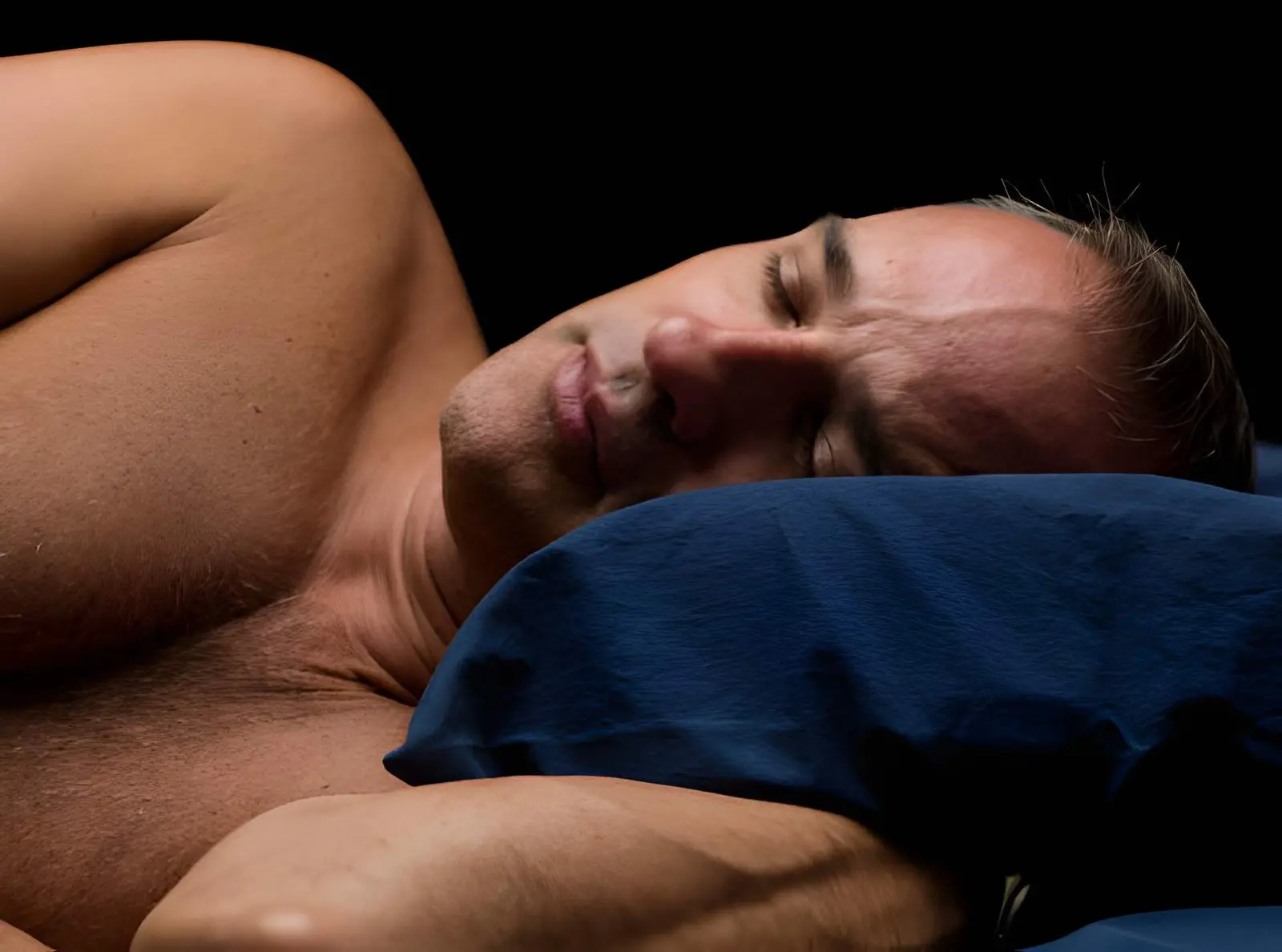
Sleep is the body’s most powerful and underutilized performance tool, yet it is often misunderstood. Most advice focuses on duration—eight hours good, six hours bad—while neglecting the quality of those hours. What truly matters is what the body accomplishes during deep sleep, a process that changes with age and lifestyle.
Even if you feel rested, it doesn’t always mean your body has fully recovered. Muscle repair, immune function, memory consolidation, and hormonal signaling all depend on deep, uninterrupted sleep. Factors like late-night screen exposure, irregular schedules, and alcohol disrupt this restorative phase, reducing your body’s ability to rebuild itself overnight.
Why deep sleep is critical
Deep, slow-wave sleep is when your body performs its most essential repair work:
- The brain clears metabolic waste via the glymphatic system
- The immune system conducts surveillance and repair
- The pituitary gland releases the largest pulse of Human Growth Hormone (HGH) in a 24-hour cycle
HGH acts as the primary biochemical trigger for tissue repair, protein synthesis, and cellular regeneration. When deep sleep is fragmented or shortened—due to aging, stress, poor habits, or hormonal decline—this repair cascade becomes less effective, leaving muscles, cells, and metabolic systems under-recovered.
How hormonal decline affects sleep and recovery
- HGH pulses diminish significantly from the mid-thirties onward, slowing tissue repair and muscle recovery
- Lower testosterone contributes to lighter, fragmented sleep
- Reduced sleep further suppresses both HGH and testosterone, creating a self-reinforcing cycle
- Chronic sleep debt accelerates cellular aging and impacts long-term performance
Sleep is not a passive process. It requires the right biological and hormonal environment to effectively restore the body.
When additional support may help
For those experiencing persistent declines in sleep quality, energy, or recovery despite lifestyle adjustments, medically supervised Human Growth Hormone Therapy can provide a structured, evidence-based approach. This is not a shortcut—it is a tool to support the body’s natural repair systems when they are compromised by age or lifestyle factors.
Conclusion
Recovery happens at night, but only if the body’s systems and hormonal signals are functioning properly. Understanding the role of HGH and testosterone in sleep emphasizes that sleeping and truly recovering are not the same. By protecting sleep quality and exploring medically informed interventions when necessary, individuals can maintain performance, support repair, and slow the physiological effects of aging over time.
Also Read
- Dehumidifiers and Respiratory Health: What Research Shows
- Turning Letting Go Into Action: Clearing Your Space in Brisbane
- Metaphors for Colors: 37+ Creative Examples to Add Life to Your Writing