
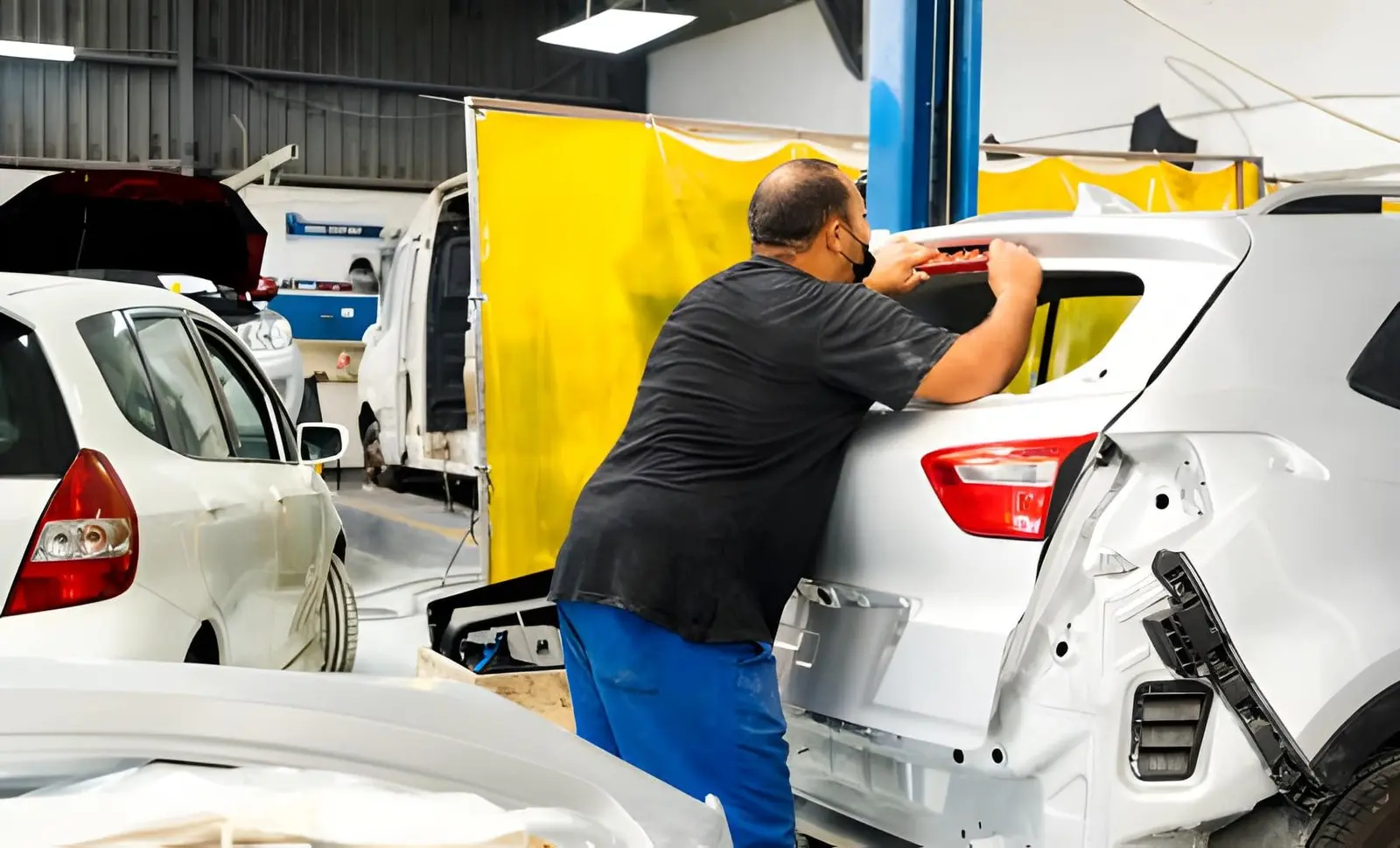
When your car gets into an accident, the aftermath is usually a mix of stress and paperwork. Most of us know we need a repairer, but it isn’t just about popping out a dent or spraying some paint. A modern facility is a hub of high-end technology and specific trade skills. These specialists work to get your vehicle back to its original safety standards.
If you happen to be looking for an accident repair centre in Dandenong, you’ll find the process is remarkably thorough. These centres act as the bridge between a damaged vehicle and a roadworthy one. They handle everything from the initial assessment to the final polish. The goal is always to make the car look like the incident never happened. At the same time, they ensure the structural integrity remains exactly as the manufacturer intended.
Initial Assessment and Damage Report
The journey starts with a detailed assessment. This is more than a quick walk around the car with a notepad. Technicians look for hidden damage that might not be visible to the naked eye.
Modern cars are designed with crumple zones, which are areas built to absorb energy during an impact. While these zones do a brilliant job of protecting passengers, they often mean that an impact in one area can cause slight shifts in another.
Professionals use measuring systems to check the vehicle’s alignment against factory specifications. This ensures the frame is straight and true before any cosmetic work begins.
Structural Repairs and Alignment
Once the assessment is complete and the plan is set, structural repairs are next. If the frame or chassis has been moved even by a few millimetres, it needs to be corrected. This is done using specialised alignment benches. Getting this right is non-negotiable because it affects how the car handles, how the tyres wear, and, most importantly, how the car will perform if it’s ever in another accident.
Panel Beating and Metalwork
Next comes the panel work. Depending on the extent of the damage, panels might be repaired or replaced with genuine parts. For smaller dings where the paint hasn’t been compromised, a technique called paintless dent removal is often used. It’s a clever process that involves massaging the metal back into its original shape from behind the panel. It also keeps the original factory finish intact. For larger areas, the technicians use specialised tools to reshape the metal, ensuring every curve and line matches the rest of the car perfectly.
Preparation and Custom Paint Matching
After the metalwork is sorted, the car moves into the preparation and paint stage. This is arguably the most meticulous part of the entire process. You can’t just grab a tin of paint off a shelf and start spraying. Every car has a specific colour code, but factors like age and sun exposure can slightly change that hue over time. To get a perfect match, technicians use computerised colour-matching technology. They create a custom blend that accounts for any slight fading, ensuring the new paint blends seamlessly with the old.
The Spray Booth and Finishing
The painting itself happens in a controlled environment known as a spray booth. These booths are kept pristinely clean to prevent any dust or particles from landing on the wet surface. The paint is applied in layers, followed by a clear coat that provides that deep shine and protects the colour from the harsh Australian sun. Once the paint is cured, the car is buffed and polished to a high mirror finish. It’s a labour-intensive process, but it’s the only way to achieve a result that stands up to close inspection.
Mechanical and Electrical Recalibration
While the car is looking good on the outside, there is also the mechanical and electrical side of things to consider. Modern vehicles are packed with sensors, cameras, and radars that make up the advanced driver assistance systems.
If a bumper is removed or a sensor is nudged during an accident, these systems need to be recalibrated. A professional repair centre has the diagnostic tools to reset these systems, ensuring your autonomous braking or lane-departure warnings work exactly as they should.
Reassembly and Testing
Reassembly is the final piece of the puzzle. This is where all the lights, trim pieces, door handles, and interior bits are put back together. Each component is checked to ensure it fits snugly and functions correctly. The team will often perform a final road test to make sure there are no new rattles or wind noises, giving the car a clean bill of health before it’s handed back to the owner.
Quality Control and Final Handover
The final stage is a thorough quality check. This is where a senior technician checks the paint for consistency, the panels for alignment, and the interior for cleanliness. It’s a moment of pride for the workshop to see a vehicle transformed from a damaged state back to its former glory. Is there anything better than seeing a happy owner reunited with their car?
Ultimately, an accident repair centre is about restoring confidence. It’s a place where complex engineering meets dedicated service. The technicians understand that for most people, a car is one of their most significant investments. By focusing on precision, safety, and a high standard of finish, they ensure that the investment is protected.
Also Read
- Improving ROI Through Smart Aviation Technology Investments
- Life as a System: Why Small Adjustments Matter More Than Big Resets
- Metaphors for Pregnancy: 30+ Powerful Ways to Describe the Journey of Life