
Last updated on April 20th, 2026 at 08:36 am
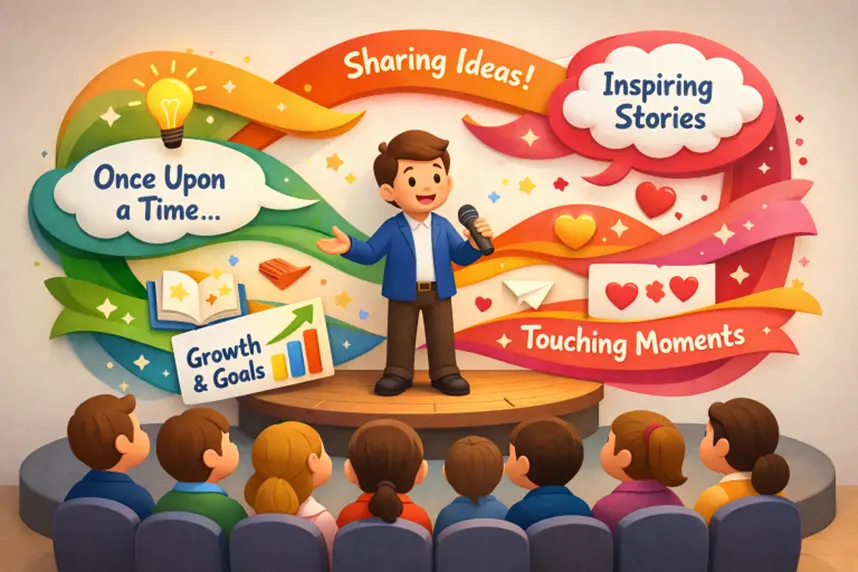
Storytelling is a powerful mechanism for transforming an ordinary presentation into an engaging journey that leaves a lasting impression. When you bring narrative elements into your presentation, you connect more deeply with your audience and turn abstract data into something relatable. By leveraging tools like an AI presentation maker, you can seamlessly blend visuals and story to make your message even more compelling to your listeners.
When presenters rely solely on raw facts, their audience is likely to lose interest or miss the nuance behind the data. A well-crafted story bridges gaps in understanding, evokes emotion, and closes with a call to action. This is why the best presentations are more than slides and statistics; they are stories that move people.
Stories are hardwired into our culture and brains, serving as one of the most powerful ways to organize and communicate information. Whether you are pitching a business idea, teaching a concept, or inspiring a team, a good story makes the experience memorable for you and your audience.
Research from Harvard Business Review reinforces that people are more likely to retain information and be moved to action when they receive content in narrative form rather than as isolated facts.
Why Storytelling Matters in Presentations
Humans have used stories for centuries to make sense of a complex world. Within a presentation, this natural affinity for narrative becomes a cornerstone of retention and connection. When you introduce a story, your audience not only processes the information intellectually but also establishes an emotional bond with the material.
According to studies in the Psychology Today archives, narrative formats activate more brain areas than bullet points, enhancing information retention and empathy. Stories frame data in context, helping audiences understand why facts matter and how they relate to real-world situations.
Crafting Your Narrative
Building your presentation’s story takes deliberate planning. Start by identifying your core message. What is the one takeaway you want your audience to remember? From there, consider your audience’s perspective. What challenges or interests resonate most with them?
Structuring Your Story
A classic story structure includes a beginning, middle, and end. The beginning sets the scene and poses a problem or question; the middle explores the challenge and builds tension; and the end delivers a satisfying resolution and a key message. Including both conflict and resolution gives your story depth, guiding your audience through the narrative arc and keeping their attention focused.
Integrating Stories into Your Slides
Visually supporting your story keeps the audience grounded and engaged. Slides should augment the narrative rather than distract from it. Choose images, charts, and brief video clips that correspond with the flow of your story. Minimize on-screen text unless it punctuates a critical point, and use visuals to underscore emotions or transitions within the narrative.
Carefully crafted slides also act as memory anchors. When audience members later reflect on your presentation, the images associated with your story serve as triggers for recalling the overall message.
Real-World Examples
Many iconic presenters have harnessed the power of storytelling to create unforgettable moments. Steve Jobs, for instance, was renowned for structuring Apple product launches like dramatic stories, complete with problems, solutions, and a final big reveal. His narratives made technological innovation feel personal and urgent to the audience.
Another example can be seen in TED Talks, where speakers often share personal experiences or compelling customer stories. These presentations demonstrate how storytelling can make any subject matter, whether scientific, entrepreneurial, or motivational, accessible and inspiring to people from diverse backgrounds.
Common Pitfalls to Avoid
- Overloading with Details: Resist the urge to share every single fact. Stick to information that propels the story forward.
- Ignoring Audience Feedback: Pay attention to your audience. Adjust pacing, tone, and content if you notice signs of confusion or disengagement.
- Lack of Authenticity: Speak from the heart and ensure your story is rooted in truth. Audiences are adept at detecting insincerity, which can undermine your message.
Enhancing Your Skills
Strengthening your storytelling abilities requires practice and exposure to strong examples. Seek out workshops or online courses on narrative techniques, experiment with rehearsals in front of peers, and request feedback after each presentation. Watching well-rated talks or following communication experts, such as those highlighted by leading publications, can also provide valuable insight into narrative craft.
Conclusion
Mastering storytelling in presentations allows you to connect, engage, and inspire. By thoughtfully crafting your narrative, integrating supportive visuals, and learning from well-known presenters, you ensure your message resonates long after the final slide. The enduring impact of a strong story cannot be overstated; it will transform both your confidence as a speaker and the effectiveness of your presentations.
Also Read
- Improving ROI Through Smart Aviation Technology Investments
- Your First DTF for a Small Business: How to Choose the Best DTF Printer (Without Costly Detours)
- Metaphors for Pregnancy: 30+ Powerful Ways to Describe the Journey of Life