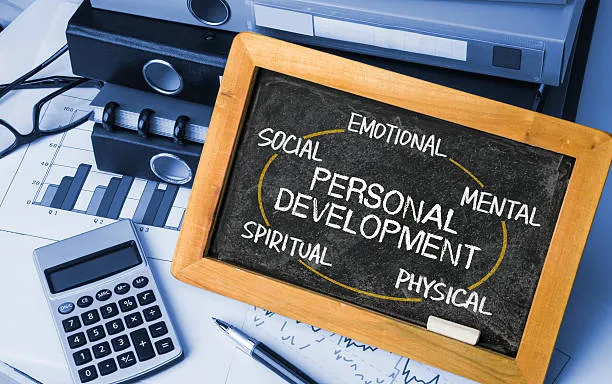
Making each day meaningful often depends on having access to structured opportunities that encourage learning, social connection, and personal development. Day programs are designed to support individuals in building routines, developing life skills, and participating in activities that foster confidence and independence. These programs can play an important role in enhancing quality of life by offering consistent engagement, supportive environments, and chances to explore interests. For many participants, the experience goes beyond routine care and becomes a pathway to steady personal growth and a stronger sense of purpose.
In various community settings, models such as day program services in Virginia are often referenced when discussing how structured daytime support can be organized to meet diverse needs. While approaches may differ across locations, the focus typically remains on encouraging participation, building skills, and promoting well-being through consistent engagement and meaningful daily activities. Overall, these frameworks highlight the value of structured daily support.
Building Independence and Confidence
Day programs promote participants’ independence by teaching essential life skills such as meal planning, personal hygiene, budgeting, and communication. As participants become more confident in these skills, they enjoy practical advantages and a sense of achievement. Skilled instructors adopt a holistic, personalized approach that employs positive reinforcement and goal-setting strategies. This enables individuals to progress at their own speed, celebrating small successes and tackling more complex tasks gradually, which boosts confidence by dividing larger goals into smaller, manageable steps. Family members also play a role, receiving updates on progress and learning ways to support skill development at home. This creates a supportive environment that extends the positive effects of day programs to the individual’s wider support network.
Encouraging Socialization and Friendships
One of the most valued aspects of day programs is the chance to connect regularly with peers. By participating in structured group activities, outings, and shared learning experiences, individuals can cultivate genuine friendships and practice essential social skills. Meaningful relationships developed in these settings can serve as an anchor during difficult times, reducing loneliness and contributing to greater happiness overall. Research has consistently linked social engagement with improved emotional health, especially for those with intellectual or developmental challenges.
Beyond standard socialization, day programs often incorporate inclusive group events, such as community meals, game days, and field trips, that encourage participants to express themselves and explore their interests with others. These experiences are pivotal in nurturing empathy, patience, and understanding of diverse backgrounds. Over time, these repeated interactions create a supportive social web in which each member feels valued and empowered to be themselves. Many lifelong friendships and mentoring relationships are formed through these shared experiences, with ripple effects across every area of a participant’s life.
Offering Therapeutic and Recreational Activities
Therapeutic and recreational activities provided in day programs are vital for fostering individual expression and well-being. Participants can engage in music therapy, art creation, horticulture, exercise classes, and vocational training, among other offerings. These experiences help individuals find joy in creativity and movement and can promote healing and self-awareness. Many therapies offered in these environments have been shown to decrease anxiety, boost mood, and build self-esteem, contributing to an overall higher quality of life.
In addition to creative arts, many day programs now offer technology-focused workshops and adaptive fitness classes, reflecting participants’ evolving interests. These activities not only promote health but also build technology confidence, which is critical for navigating today’s world. Certified therapists and trained staff oversee these sessions, ensuring that every activity can be adjusted for different abilities and comfort levels. The inclusion of both group classes and one-on-one sessions ensures that all participants can find an activity that resonates with them.
Creating a Sense of Structure and Routine
Routine plays a crucial role in reducing anxiety, particularly for individuals who struggle with unpredictability. Day programs provide structured schedules that support cognitive development and emotional regulation. Participants gain skills in time management and task sequencing, which fosters discipline and creates a stable foundation for daily life.
Consistent routines also benefit caregivers by helping them balance their responsibilities with their loved ones’ needs. Many participants report feeling more secure and less anxious because knowing what to expect helps them cope better with change.
Furthermore, day programs adapt their routines based on participant feedback and seasonal interests, ensuring a dynamic environment while still maintaining a sense of predictability. This balance encourages both personal growth and excitement within the program experience.
Promoting Community Integration
Many day programs focus on ensuring that participants feel included and valued within the community. They do this through volunteer projects, collaborative events, and skill-building groups. These initiatives work to reduce societal stigma and promote inclusivity, enabling individuals to develop a sense of pride and belonging.
Community partnerships are vital, as they connect participants with local businesses, schools, and nonprofits to create employment opportunities and joint initiatives. Through these experiences, individuals can build practical skills and discover new interests, which often inspire them to advocate for themselves and others. With support, many participants take on leadership roles in volunteer organizations or initiate projects that foster positive change in their communities.
Empowering Growth and Independence
The impact of day programs is measurable for participants and their families. These programs serve as empowering environments, brimming with encouragement, purposeful activities, and camaraderie. Individuals supported by day programs often surprise themselves and others with the progress they can make, fostering a renewed sense of self-worth and capability. For loved ones, day programs offer peace of mind, knowing that support, structure, and genuine connections are available throughout the week. By participating in these supportive environments, individuals gain the tools to realize their full potential and enjoy a richer, more independent life.
Conclusion
Day programs play a vital role in helping individuals build meaningful, structured, and fulfilling daily lives by combining skill development, social engagement, and consistent support. Through guided activities and personalized learning opportunities, participants gain confidence, independence, and a stronger sense of purpose. These programs also encourage lasting friendships and community involvement, which help reduce isolation and promote emotional well-being. The balance of routine and flexibility allows individuals to grow at their own pace while feeling secure and supported in their environment. Ultimately, day programs empower participants to discover their strengths, develop new abilities, and experience steady personal growth, creating lasting positive impacts that extend beyond daily participation into all areas of life.
Read more: The Future of Small Business Financing: Trends, Tools, and Tips – metaphorhaven.com
Why Neutral, Minimalist Interiors Dominate Café Design Trends – metaphorhaven.com