Installing a new heating and cooling system is a structured process that brings comfort, efficiency, and reliability to a home or building. Many people are unsure of what happens during a professional HVAC installation, yet understanding each stage helps set clear expectations. From the initial assessment of the space to the final system testing, every step is handled with careful attention to detail.
Technicians work to ensure the equipment meets the property’s needs and supports long-term performance. This process involves preparation, planning, and execution to ensure the system operates smoothly and provides consistent indoor comfort throughout the year.
Installation Process Overview
Site Evaluation and Preparation
Before any equipment is installed, a detailed evaluation of the property is conducted to determine the most suitable system setup. This stage focuses on understanding the building layout, insulation quality, ventilation pathways, and existing mechanical components. Measurements are taken to ensure the new system will fit properly and operate efficiently within the available space. Technicians also identify any structural adjustments that may be needed, such as clearing space for ductwork or ensuring safe electrical connections. Preparation may include protecting floors and walls to prevent damage during installation and ensuring that work areas are safe and accessible.
This phase is important because it lays the groundwork for a smooth installation process. Without proper evaluation, the system may not perform as intended or could face early issues. Careful planning at this stage helps align the equipment with the property’s requirements and supports long-term reliability and consistent indoor comfort once the system becomes operational. Technicians may also review access points for maintenance, ensuring future servicing can be completed without unnecessary disruption. In some cases, recommendations are provided to improve airflow efficiency through minor structural adjustments or sealing gaps that could affect performance over time.
System Design and Equipment Selection
After the site evaluation, attention shifts to designing a system that matches the specific needs of the space. This includes selecting equipment that aligns with the property’s size, expected energy use, and airflow requirements. Proper design ensures that heating and cooling are distributed evenly throughout the building, preventing areas that are too warm or too cold. Ductwork planning is also refined during this stage, ensuring air can move efficiently with minimal resistance. Technicians coordinate components such as thermostats, air handlers, and compressors so they work together smoothly. In many modern setups, Central Heating and Air Conditioning systems are configured to improve energy management and indoor comfort. Each decision is made to support balanced performance and long-term operation.
Once the design is finalized, the installation team prepares the necessary materials and schedules the work to ensure a coordinated installation process without unnecessary delays or disruptions. Energy-efficiency considerations are also reviewed, with attention to how equipment choices may influence long-term operating costs and environmental impact. This planning phase ensures that all components are compatible and capable of supporting stable performance under varying seasonal conditions.
Installation of Core Components
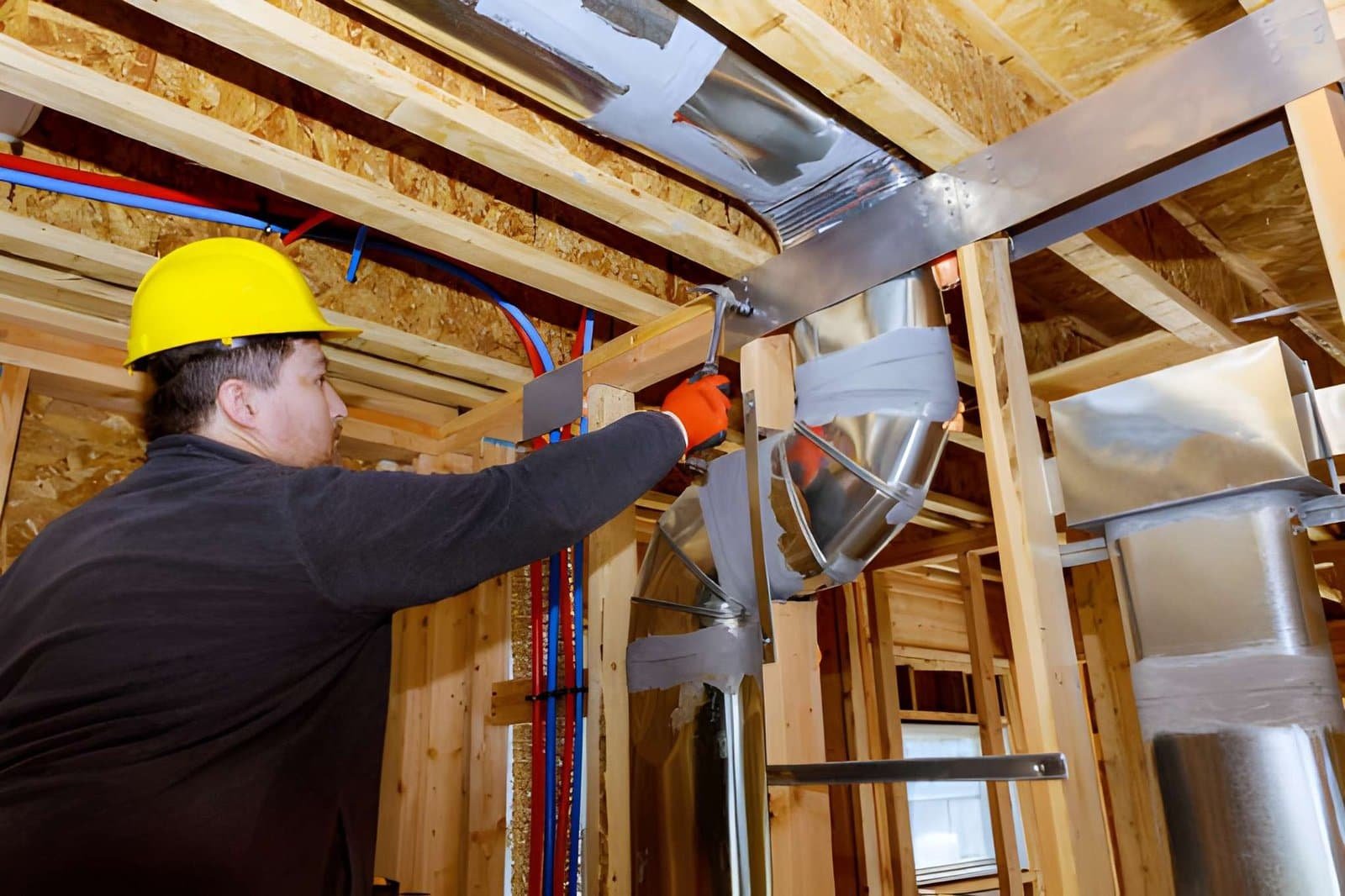
During this phase, the main equipment is carefully installed according to the planned design. This includes placing indoor and outdoor units, securing ductwork, and connecting electrical and refrigerant lines. Each component is positioned to ensure proper airflow and safe operation. Technicians follow structured procedures to ensure that connections are sealed correctly and that the system is stable. Attention is paid to alignment and support to minimize vibration and noise during operation. This stage requires careful handling of equipment to prevent damage and to ensure all parts function as intended. Safety checks are performed throughout the process to confirm that electrical wiring and refrigerant levels meet required standards.
Once installation is complete, the system is not yet activated; instead, it moves to testing and adjustment phases. Proper installation of core components is essential because it directly affects efficiency, performance consistency, and the lifespan of the entire system. Proper insulation of lines and secure mounting of equipment are also emphasized to prevent energy loss and mechanical strain. These details contribute to smoother operation and help reduce the likelihood of future service interruptions.
Testing, Calibration, and System Checks
After installation, the system undergoes thorough testing to confirm that all components are functioning correctly. Technicians inspect airflow, temperature output, and electrical performance to ensure everything operates as intended. Calibration is performed on thermostats and control systems to ensure accurate, responsive temperature regulation. The system is also checked for leaks, unusual noises, or irregular pressure levels that could indicate underlying issues. Adjustments are made where necessary to improve efficiency and balance airflow throughout the building. This stage is critical because it verifies that the installation has been completed correctly and that the system is safe for continuous operation.
Any minor issues identified during testing are resolved before final approval. Once all checks are complete, the system is ready for regular use, providing consistent indoor comfort and reliable performance under varying conditions. Performance data collected during this stage may also be used to fine-tune settings for optimal efficiency. This ensures that the system responds correctly to changes in indoor and outdoor conditions while maintaining stable output.
Final Walkthrough and User Guidance
After successful testing, a final walkthrough is conducted to familiarize the property owner with the new system. Technicians explain how to operate the controls, adjust temperature settings, and maintain efficiency throughout daily use. Guidance is provided on routine filter changes and basic upkeep practices that help maintain consistent performance over time. The walkthrough also includes an overview of system features and safety considerations, ensuring the user understands how to respond to different operating conditions. Any remaining questions are addressed to ensure confidence in using the system.
Documentation related to warranties and maintenance schedules is also provided at this stage. This final step helps bridge the gap between installation and long-term use, ensuring the system is used correctly from the start. Once completed, the installation process is officially concluded, leaving the property with a reliable heating and cooling setup designed for consistent indoor comfort. Users are also advised on signs that may indicate reduced performance so they can respond early if adjustments are needed. This helps maintain long-term system stability and reduces the risk of unexpected breakdowns.
Also Read
- Improving ROI Through Smart Aviation Technology Investments
- The Business Benefits of Choosing On-Demand Scrap Pickup Services
- 15+ Powerful Metaphors for Change in Life (With Examples & Meaning)