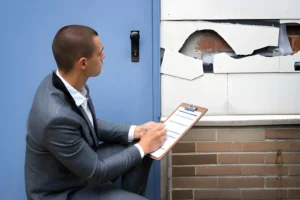

Your home isn’t just four walls and a roof, it’s probably the biggest investment you’ll ever make, and it deserves protection that goes beyond a simple insurance policy. Most homeowners find themselves in reactive mode, scrambling to fix problems after they’ve already caused damage and drained their savings. But here’s the thing: a little preventative care can save you thousands of dollars and spare you the headache of emergency repairs at the worst possible times. Whether it’s a slow leak that turns into a major flood or a small crack that compromises your foundation, knowing where your home is vulnerable makes all the difference.
Maintain Your Plumbing System and Water Infrastructure
Water damage doesn’t just top the list of homeowner nightmares, it’s often the most expensive disaster you’ll face, which is why keeping your plumbing in top shape should be non, negotiable. Make it a habit to inspect all visible pipes, connections, and fixtures twice a year, checking for corrosion, mineral deposits, or those tiny drips that seem harmless until they’re not. Don’t skip the hidden spots either: underneath sinks, around water heaters, and in basements or crawl spaces where problems love to hide and multiply without anyone noticing. Installing water leak detection devices near appliances like your washing machine, dishwasher, and that refrigerator with the ice maker might seem like overkill, but these appliances are actually responsible for a huge chunk of water damage claims.
Taking care of your plumbing means thinking ahead, especially when the seasons change and temperatures swing to extremes. Wrap exposed pipes in unheated areas, garages, attics, and exterior walls, with insulation before winter hits, because frozen pipes don’t just crack, they burst and release enough water to ruin entire rooms. Everyone in your household should know exactly where the main water shut-off valve is and how to use it when things go sideways. Those old rubber washing machine hoses? Replace them with braided stainless steel versions that can actually handle the pressure without bursting unexpectedly.
Protect Your Roof and Gutters From Deterioration
Think of your roof as your home’s first line of defense against everything nature throws at it, which means regular inspections aren’t optional, they’re essential. Professional roof inspections should happen at least every three years, though bumping that up to annually makes sense if your roof is getting older or you’ve recently weathered a serious storm. Watch for red flags like missing or damaged shingles, cracked flashing around chimneys and vents, moss or algae growth that slowly eats away at roofing materials, and any sagging spots that scream structural trouble. Catching these issues early means fixing a small problem instead of dealing with leaks that damage everything from insulation to drywall to the wooden bones of your house.
Your gutters might not seem glamorous, but they’re working overtime to keep water away from your foundation and prevent damage to both your roof and basement. Clean them out at least twice a year, especially after fall when leaves pile up, to make sure water flows freely instead of overflowing onto your soffits, fascia, and exterior walls. Gutter guards or screens can cut down on how often you need to climb that ladder while keeping clogs from forming during heavy downpours. Here’s a critical detail many homeowners miss: downspouts need to direct water at least five to ten feet away from your foundation, not just dump it right next to your house where it can seep into basements and crack foundations.
Implement Proper Ventilation and Moisture Control
Too much moisture inside your home creates the perfect environment for mold, wood rot, and structural problems that threaten both your property and your family’s health. Bathrooms, kitchens, and laundry rooms need exhaust fans that vent directly outside, not into attics or crawl spaces where they just move the problem somewhere less visible. Run those bathroom fans for at least twenty minutes after showers, and consider installing timer switches so you don’t have to remember to flip them off while still getting the ventilation you need. A simple hygrometer lets you monitor indoor humidity levels, and you’ll want to keep them between thirty and fifty percent to avoid both mold growth and the dry conditions that crack wood floors and furniture.
Basements and crawl spaces present their own moisture challenges that require specific attention to prevent long-term damage. Lay down vapor barriers over exposed earth, check that the grading around your foundation slopes away from the house, and use dehumidifiers to keep humidity in check. Condensation on windows, pipes, or walls isn’t just annoying, it’s a warning sign that humidity levels need immediate attention before real damage sets in. When addressing water intrusion or severe moisture issues, professionals who need to assess structural damage and implement comprehensive solutions often work with an Austin restoration company to ensure proper remediation. Your HVAC system plays a bigger role in moisture control than you might think, so replace filters monthly during heavy use and schedule annual professional maintenance to keep everything running smoothly. Tightly sealed modern homes sometimes need whole-house ventilation systems to maintain proper air exchange and control moisture while keeping indoor air quality where it should be.
Conduct Regular Inspections of Your Foundation and Structure
Foundation problems don’t just affect your basement, they can ripple through your entire home’s structural integrity if you don’t catch them early enough. Walk around your home’s exterior every few months, looking for new cracks, gaps, or settling patterns that might signal issues needing a professional’s eye. Doors and windows that suddenly won’t close properly or start sticking aren’t just annoying, they’re often the first sign that your foundation is shifting or settling. Keep an eye out for gaps between walls and ceilings, floors that slope where they shouldn’t, or diagonal cracks running from corners in interior walls, all pointing to potential foundation or framing issues that need attention now.
Protecting your foundation starts with smart drainage around your home’s perimeter and avoiding dramatic swings in soil moisture that cause expansion and contraction. Plant trees and large shrubs at safe distances from your foundation because aggressive root systems can push against basement walls and tear up underground plumbing over time. Pest problems, especially termites and carpenter ants, can quietly destroy wooden structural elements and rack up thousands in damage before you even notice anything’s wrong. Annual professional pest inspections are worth every penny, particularly in areas where termites thrive, and you’ll want to eliminate any spots where wood touches soil directly since those are basically welcome mats for destructive insects.
Maintain Your HVAC System and Electrical Infrastructure
Your heating and cooling system needs regular care to run efficiently and safely while keeping fire hazards and carbon monoxide risks at bay. Book professional HVAC inspections and tune-ups at least once a year, ideally right before you’ll need heating or cooling the most. Air filters should be swapped out every one to three months depending on how much you use your system, whether you have pets, and what your indoor air quality looks like, clogged filters don’t just kill efficiency, they can cause complete system breakdowns. Keep outdoor condenser units clear of debris and make sure air can flow freely around them to prevent overheating and premature failures that leave you sweating or freezing when you can least afford it.
Your electrical system deserves just as much attention as your HVAC because the stakes, fire prevention and protecting expensive electronics, are incredibly high. Test those ground fault circuit interrupter outlets in bathrooms, kitchens, and outdoor areas monthly to confirm they’re actually providing the shock protection they’re designed for. Never brush off warning signs like breakers that trip constantly, lights that flicker, buzzing from outlets or switches, or burning smells that suggest circuits are overloaded or components are failing. If your home’s over twenty-five years old or you’re dealing with any electrical quirks, bringing in a licensed electrician to inspect your panel and wiring is a smart move.
Conclusion
Keeping your home safe from damage isn’t about one big fix, it’s about consistent attention to the details and catching potential problems while they’re still small and manageable. These five strategies work together to form a solid defense: taking care of plumbing, protecting roofs and gutters, controlling moisture, inspecting foundations, and maintaining HVAC and electrical systems. The math is simple: prevention costs way less than restoration, making every hour and dollar you spend on maintenance a smart investment that pays dividends. Create a maintenance schedule that tackles each area systematically throughout the year, and keep records of what you’ve inspected and repaired so you stay organized and informed.
Also Read
- The Business Benefits of Choosing On-Demand Scrap Pickup Services
- Metaphors for Challenges: 33+ Creative Ways to Express Life’s Struggles
- Insurance Claim Settlement Adjusters in Large-Scale Disaster Recovery