
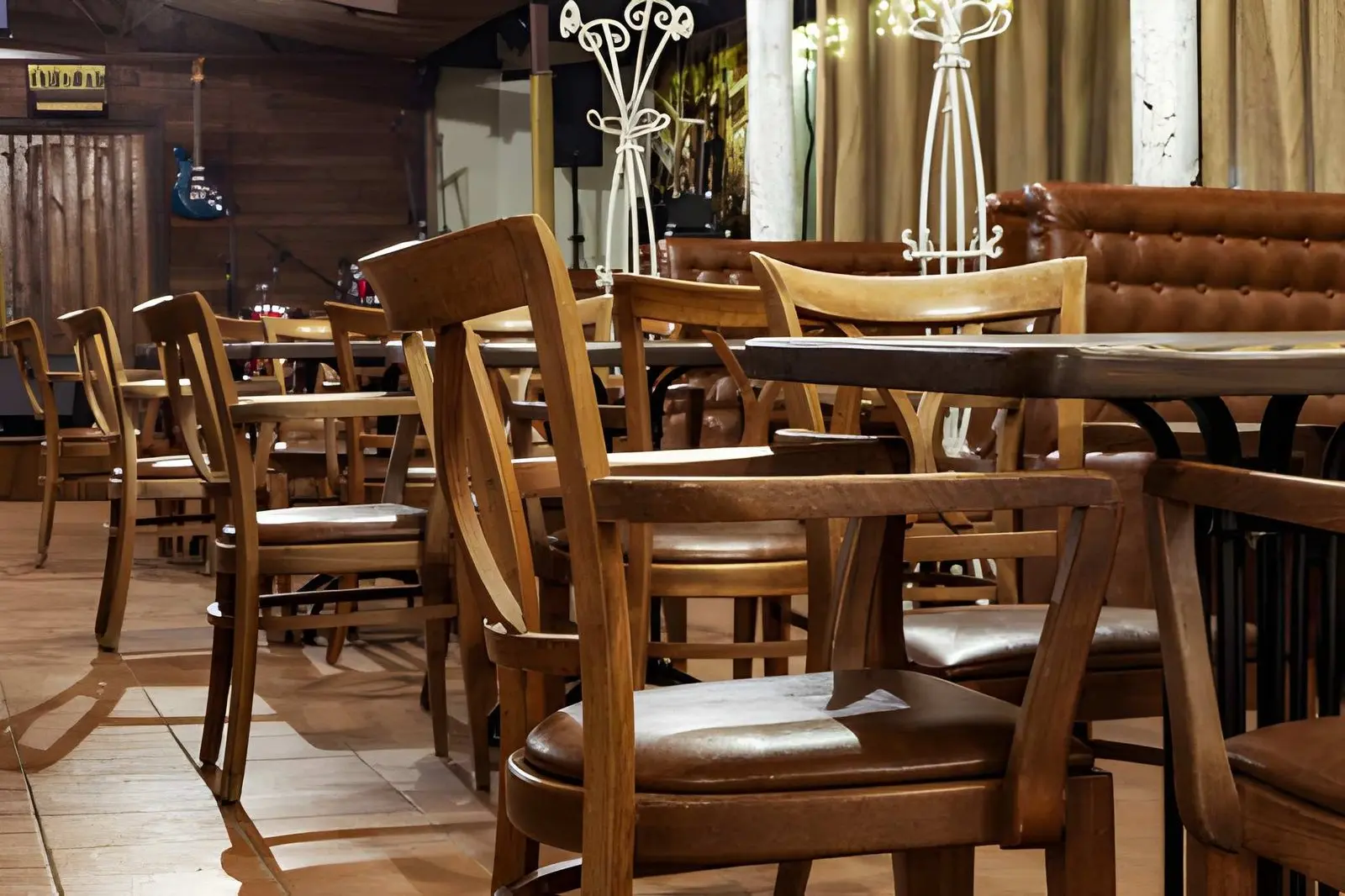
A restaurant owner can say many things through a menu, a logo, a color palette, or a catchy name. But the furniture usually tells the truth first.
Before the server arrives, before the food reaches the table, and before the check comes, the guest has already received a quiet message from the chairs, booths, tables, bar stools, spacing, finishes, and wear patterns in the room. The furniture says whether the owner thinks ahead. It says whether comfort matters. It says whether the business is built for a quick trend, a long-term plan, or simply the lowest possible opening cost.
That matters even more in a restaurant market where United States restaurant and foodservice sales are projected to reach about $1.55 trillion in 2026, while operators continue to deal with cost pressures, labor concerns, and cautious consumer spending. In a competitive market, commercial restaurant furniture is not just decoration. It is evidence.
Guests may not analyze it in those words, but they feel it.
The Chairs Reveal How the Owner Thinks About People
Chairs are one of the clearest signals in a restaurant because every guest has direct contact with them. A chair can look beautiful in a product photo, but the real test happens after someone has been sitting in it for twenty minutes.
A thoughtful owner chooses chairs with the whole visit in mind. The seat height works with the table. The backrest supports the body without feeling stiff. The frame feels stable. The finish matches the concept and can also withstand cleaning, movement, and daily use.
That kind of chair says, “We planned for you to stay.”
A careless chair says something else. It may be too light, too narrow, too hard, too wobbly, or too delicate for the type of restaurant it is in. Maybe it looks trendy, but it feels awkward. Maybe it photographs well, but it makes guests shift around during the meal.
That tells customers the owner may have chosen appearance before experience.
Comfort is not a soft detail. Seating affects how welcome guests feel, how long they want to remain, and how they judge the care behind the business. A restaurant chair is not just holding the guest. It is helping shape the guest’s opinion of the entire room.
Tables Show Whether the Owner Understands the Flow
Tables tell a different story. They reveal how the owner thinks about space, service, and rhythm.
A good restaurant table does several jobs at once. It holds food and drinks, creates personal space, supports conversation, allows servers to move easily, and helps the dining room adjust to different party sizes. When tables are chosen well, the room feels natural. Guests can settle in without feeling squeezed. Servers can work without awkward reaching or constant shifting.
Poor table choices create small irritations that add up fast.
The table may be too small for the menu. Plates crowd the surface. Drinks feel at risk. Guests have nowhere to place phones, bags, or shared dishes. In other cases, the table may be too large, wasting valuable floor space and making the room feel emptier than it should.
A smart owner sees tables as part of the business model, not just part of the room.
- A small café may need flexible tables that can be moved quickly.
- A steakhouse may need heavier tables that feel permanent and premium.
- A fast-casual space may need surfaces that clean quickly and reset easily.
- A family restaurant may need tables that can handle spills, movement, and larger groups.
The table silently explains whether the owner understands how guests actually use the space.
Booths Suggest How Much the Owner Values Privacy
Booths says something sweet. They make edges. They give people a slight sense of ownership in a public place.
If a restaurant makes good use of booths, the proprietor is probably thinking beyond the number of seats. They are based on mood, privacy, comfort, and the kind of discussion people have when they eat. A booth can help make a casual lunch more casual. It can make a date more intimate. It can make a family dinner feel simpler because youngsters are more confined and guests are not encircled on all sides.
Doesn’t imply every restaurant should have booths. What it means is that when booths are used properly, they tend to expose an owner who knows human behavior.
Bad booths reveal the reverse. If the seat is too high, the table seems too low. If the back is excessively upright, the meal feels rigid. If the spacing is improper, guests will struggle to get on and off. If the upholstery wears out rapidly, the entire dining room looks weary.
A booth is one of the most powerful furniture statements in a restaurant. It tells you if the owner wants guests to be seated for a minute or to be really settled.
Bar Stools Expose the Owner’s Attention to Details
Barstools are dangerous territory for owners who only shop by looks.
A stool has to match the bar height, support the guest’s feet, stay stable, and survive constant twisting, dragging, leaning, and cleaning. When the stool is right, people naturally gather at the bar. When it is wrong, the bar feels uncomfortable even if the drinks are excellent.
A well-chosen bar stool tells you the owner pays attention to details that guests notice physically, even if they never name them.
The foot rail matters. The seat width matters. The backrest matters. The frame weight matters. The distance from the counter matters. A stool that is too low makes the guest feel like a child at the counter. A stool that is too high makes eating awkward. A stool without a proper footrest can turn a quick drink into an uncomfortable balancing act.
This is where ownership discipline shows. A careful owner does not ask only, “Does it look good?” They ask, “Can this survive Friday night for the next several years?”
Wear Patterns Tell the Real Story
All restaurants in time run against themselves.
Look at the furniture in a place you visit often. Are the chair legs scratched up beyond usual use? Are the edges of the table nicked? Are the booths cracked in the same high-touch areas? What about the foot rails on the barstools? Some tables are shaky. Some tables are not.
Wear doesn’t automatically mean neglect. Busy restaurants age well. What really matters is whether the owner responds to wear or ignores it.
A restaurant with fixed, well-maintained, and well-chosen furniture seems different from one where damage is allowed to become part of the environment. People can tell when an area is loved. They can also tell when an owner has begun to ignore the room.
That is one of the quietest, yet most important messages furniture sends: do the owners still perceive the restaurant through the guest’s eyes?
The Best Furniture Matches the Promise of the Restaurant
The strongest furniture choices are not always the most expensive ones. They are the ones who live up to the restaurant’s promise.
A neighborhood diner does not need to feel like a luxury hotel. A fine-dining room should not feel like a temporary pop-up. A modern café should not choose seating that slows down its entire service model. A high-traffic family restaurant should not rely on fragile pieces that look good for a month and then start failing under pressure.
Good owners understand fit.
They know that furniture should support the food, price point, guest type, service style, and the room’s pace. That is why two successful restaurants can make completely different furniture choices, and both be right.
One owner may choose warm wood chairs to create a familiar, grounded feeling. Another may choose upholstered booths to increase comfort and perceived value. Another may use compact tables and lighter chairs because speed, turnover, and flexibility matter more than long, relaxed visits.
The furniture is not just saying, “This is our style.”
It is saying, “This is how this business works.”
The Room Speaks Before the Owner Does
Next time you walk into your favorite restaurant, stop and look around before you even glance at the menu. See where your eyes travel. Touch the chairs. Check that the tables make sense for the food. See if the booths invite people to remain. Notice how comfortable or purely decorative the barstools appear. Note if the furniture seems looked after, haphazard, deliberate, weary, generous, cheap, cozy, or useful.
Before anyone says a word, you will probably learn something about the owner.
Furniture tells what is important. It reveals what the owner values: comfort, durability, image, efficiency, savings, hospitality, or long-term thinking. Sometimes it shows equilibrium. Sometimes it shows compromise. Sometimes it exposes someone who knows that visitors judge a restaurant with their whole bodies, not just their taste buds.
The greatest restaurant furniture is silent. It softly underwrites the meal, the staff, the ambiance, and the business behind it.
That’s why the chair you’re sitting on, the table you’re facing, and the booth that surrounds you may be telling you more about the owner than the menu ever can.
Also Read
- Improving ROI Through Smart Aviation Technology Investments
- Comprehensive Guide to Home Protection Plans: Safeguarding Your Home from Pests
- Metaphors for Challenges: 33+ Creative Ways to Express Life’s Struggles