Key Takeaways
- Schedule regular tree inspections to identify hazards early and stay ahead of storm-related issues.
- Routine pruning and proper maintenance are critical to help trees withstand high winds and heavy rain.
- Recognizing when professional help is needed can keep both people and property safe.
Table of Contents
- Assess Tree Health
- Prune Regularly
- Mulch and Water Properly
- Secure Young Trees
- Remove Dead or Diseased Trees
- Schedule Professional Inspections
- Post-Storm Assessment
- Frequently Asked Questions
As storms become increasingly frequent and intense in Union, NJ, proper tree maintenance is vital for homeowners hoping to safeguard their homes and neighborhoods. Preparing your trees for severe weather is not only about protecting property; it is also a crucial step in ensuring community safety and mitigating costly storm damage. If you are looking for guidance or immediate help with damaged or hazardous trees during storm season, the certified arborists at emergency tree service in Union, NJ, from New Jersey Tree Professionals stand ready to assist. With decades of experience, a commitment to safety, and in-depth knowledge of Union’s unique urban and suburban landscapes, New Jersey Tree Professional is well-regarded for 24/7 response and comprehensive storm cleanup across the area, including Union and surrounding communities. Their expertise ensures timely and effective intervention, reducing risks to people and property when severe weather strikes.
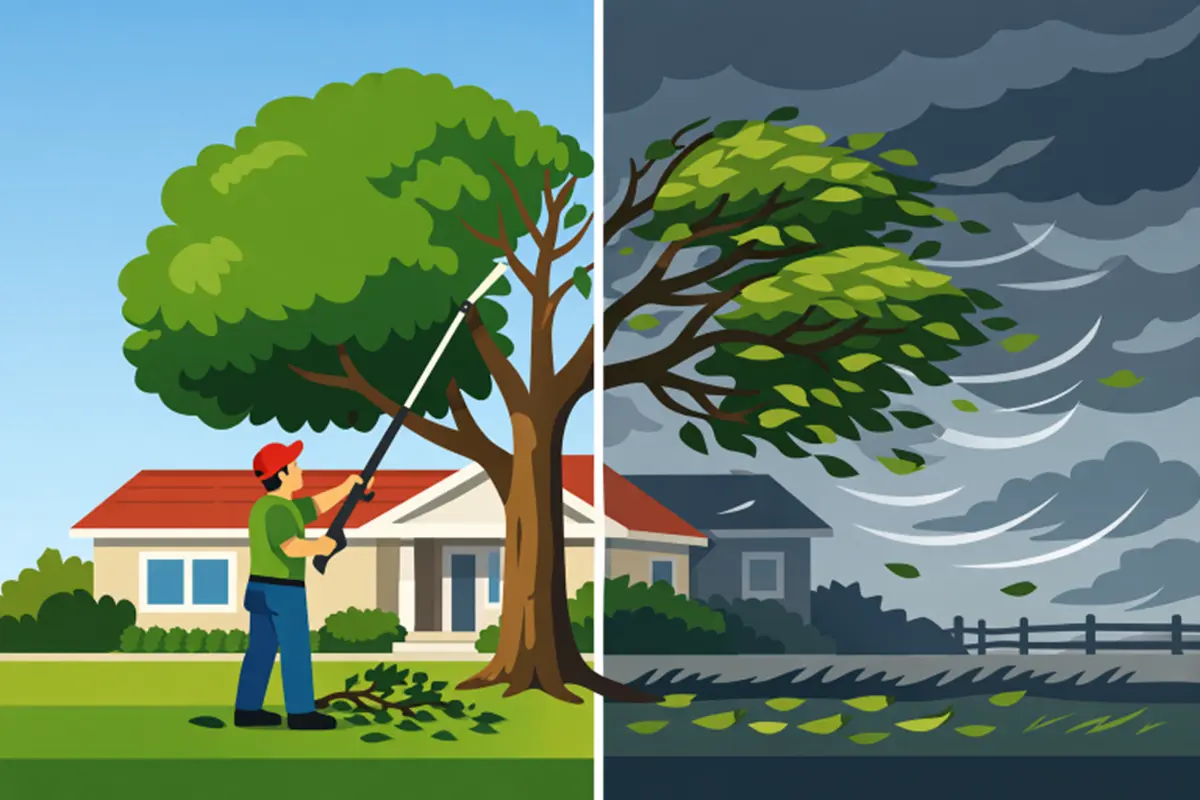
Tree preparation should be proactive, not reactive. Taking deliberate steps before, during, and after storm events can reduce potential hazards, preserve the beauty of your landscape, and extend the lifespan of your valuable trees.
Assess Tree Health
Start your storm preparations by closely examining each tree on your property. Look for obvious concerns such as dead branches, peeling bark, or mushrooms growing at the base, which suggest decay or weakened structure. Cracks in the trunk, areas where the bark is missing, or insect infestations can compromise a tree’s ability to withstand the stress of high winds. Early identification of these warning signs enables you to address minor issues before they escalate into serious hazards during a storm.
Prune Regularly
Consistent pruning is one of the most effective ways to increase a tree’s resilience. Focus on removing dead or brittle limbs, as they are often the first to fall in a storm. Thinning a dense canopy also helps by allowing wind to pass through rather than pushing against a solid mass of leaves and branches. This reduces the risk of the entire tree uprooting. Avoid drastic practices such as ‘topping,’ which weaken the tree and lead to unstable regrowth. For best results, pruning should be performed with proper technique and, for larger trees, by a professional arborist.
Mulch and Water Properly
Proper mulching and watering are essential for building strong root systems. Spread a layer of mulch two to three inches deep in a circle around the base of the tree. Make sure to keep the mulch a few inches away from the trunk to help prevent rot and pest issues. Consistent deep watering, especially during dry spells, encourages roots to grow deeper into the soil, providing added stability to resist windthrow during storms.
Secure Young Trees
Younger or recently planted trees often need extra support to make it through their first few storms. Use flexible ties and stakes to anchor young trees, but avoid over-tightening. The goal is to provide enough support to prevent tipping while still allowing the trunk to sway with the wind and build natural strength. Stakes should be removed after one or two growing seasons to encourage natural root and trunk development.
Remove Dead or Diseased Trees
Dead or severely diseased trees pose a significant liability during strong winds and heavy rain. If these trees are near your home, driveway, or power lines, their removal is especially urgent. Engage a licensed arborist to safely assess and remove these risks, protecting your property and neighbors from storm-related debris and injuries. For more information about tree removal guidelines and urban forestry best practices, you can visit Arbor Day Foundation’s tree removal resources.
Schedule Professional Inspections
While DIY tree assessments are important, nothing replaces the expertise of a certified arborist. Professionals can identify hidden structural weaknesses, diagnose diseases, and offer guidance beyond what the untrained eye can see. Before storm season, scheduling annual inspections gives you peace of mind and an expert action plan tailored to your property’s needs. Many certified professionals offer risk assessments, bracing, cabling, and other storm-readiness solutions. To find a qualified arborist in your area, consult the International Society of Arboriculture’s arborist directory.
Post-Storm Assessment
Once the storm passes, assess your trees for damage such as hanging limbs, cracked trunks, or partial uprooting. These issues can pose delayed hazards and should be addressed promptly. If you notice serious problems or are unsure about a tree’s safety, contact a professional for an emergency evaluation. Prompt post-storm intervention can prevent minor damage from escalating into a greater risk and pave the way for a healthy recovery.
Frequently Asked Questions
How often should I inspect my trees?
Most experts recommend at least one thorough inspection each year, with additional checks following major storms or periods of drought. Regular monitoring will help catch developing problems before they lead to costly damage.
Can I prune large branches myself?
For large, high, or near-power-line branches, it is safest to hire a trained professional with the right equipment and safety protocols. Improper pruning can injure both the tree and the homeowner.
What should I do if a tree is leaning after a storm?
A leaning tree may suffer from compromised roots or trunk damage. If the lean is significant, avoid the area and call a professional immediately to assess the tree’s stability and recommend the best course of action.
Storm season preparation is about more than just protecting your property; it is about being a responsible neighbor and ensuring the long-term health of Union, NJ’s urban forest. By inspecting, maintaining, and acting early, homeowners can minimize risks and help their landscape weather any storm.
Also Read-Improving ROI Through Smart Aviation Technology Investments