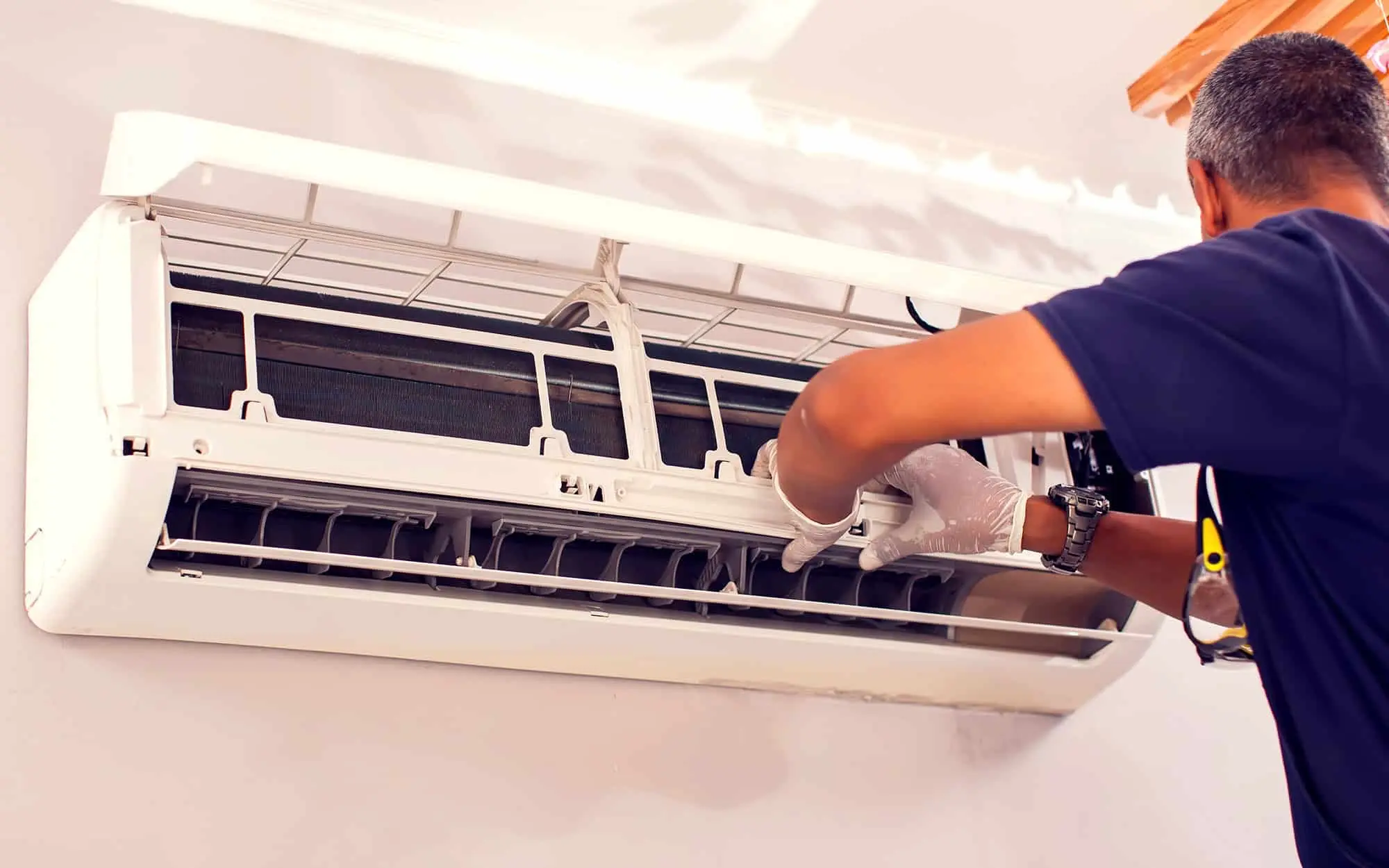
Most air conditioners do not fail without warning. They usually give small signals first, but many homeowners ignore them because the system still turns on and produces some cool air. A longer cooling cycle, a new sound, a weak vent, or a small leak may seem harmless at first. The problem is that these signs often indicate stress within the equipment. When that stress continues, a simple repair can turn into a larger breakdown. Knowing which warning signs to watch for can help homeowners respond sooner, avoid sudden discomfort, and protect the cooling system from unnecessary damage.
Small Clues Before Failure
- Cooling Takes Longer Than It Used To
One warning sign homeowners often ignore is a home that takes longer to cool than it once did. At first, this may feel like a minor comfort issue, but slow cooling can reveal a deeper problem inside the system. The air conditioner may be low on refrigerant, the coils may be dirty, the ductwork may be leaking, or the blower may not be moving enough air. Sometimes the thermostat is working properly, but the system can no longer reach the set temperature without running for much longer periods. This extra run time increases wear on the compressor, fan motor, and other important parts. A homeowner may blame the weather, sunlight, or poor insulation, but a clear change in cooling speed should not be brushed aside. Early AC Repair can help prevent the system from working harder every day until one of its main components finally fails.
- Some Rooms Feel Different From Others
Uneven cooling is another sign that often gets overlooked because homeowners may assume it is just a normal part of the house. One bedroom may feel warm, the living room may cool properly, and another area may stay humid no matter how long the system runs. These temperature differences can result from blocked vents, leaking ducts, poor airflow, a dirty filter, weak blower performance, or a cooling system struggling to distribute air evenly. While it may seem like a room-by-room comfort issue, it can place more pressure on the entire system. The thermostat may keep calling for cooling because one area of the home isn’t reaching the set temperature, causing the unit to run longer than needed. That longer operation can increase energy consumption and accelerate wear. When uneven cooling becomes noticeable or keeps getting worse, it usually means the system is asking for attention before a larger failure develops.
- The System Starts Making New Sounds
Air conditioners are not silent, but homeowners usually know the normal sound of their own system. When that sound changes, it is worth paying attention. A light rattle may seem harmless, but it can mean a loose panel, a worn part, or debris near the outdoor unit. A buzzing sound may point to electrical strain, a failing capacitor, or a motor issue. Grinding, screeching, or banging sounds are more serious because they may indicate moving parts already under stress. Many people ignore these noises if the house is still cooling, but a noisy unit can continue damaging itself every time it turns on. A part that is loose today can break free tomorrow. A strained motor can overheat after repeated cycles. New sounds are one of the easiest warning signs to catch because they stand out from normal operation. Turning the system off and getting it checked can prevent a small sound from becoming a major repair.
- Airflow Feels Weak at the Vents
Weak airflow is easy to dismiss when cool air is still coming out, but it often means the system is not breathing properly. The cause may be something simple, such as a clogged filter, but it can also involve duct restrictions, a dirty evaporator coil, a blower motor problem, or a frozen coil. When air does not move through the system as it should, the cooling process becomes less efficient and more stressful for the equipment. The air conditioner may run longer, rooms may cool unevenly, and the coil may become too cold because warm indoor air is not passing over it correctly. Once ice forms, airflow can drop even further, creating a worsening cycle. Homeowners may notice that vents feel weaker over time or that one part of the home never receives enough air. That change should not be ignored because airflow problems can affect both comfort and the system’s health.
Ignoring warning signs often turns into the repairs homeowners hoped to avoid. Slow cooling, uneven rooms, strange sounds, weak airflow, leaks, short cycling, and rising energy bills all suggest that the air conditioner may be under stress. These problems may seem manageable while the system still runs, but waiting too long can allow damage to spread to more expensive parts. A quick response gives homeowners a better chance to solve the issue before comfort disappears completely. Paying attention to small changes is one of the simplest ways to avoid being caught by surprise when a system suddenly stops working during hot weather.
Also Read
- How Customer Expectations Shape Modern Business
- Bring Characters to Life with AI Avatar and Video Generators
- Top 5 Fitness Scheduling Software For Easy Class Management