Imagine walking through a city center and seeing a massive, red-brick warehouse that once housed textile machinery. A decade ago, it might have been boarded up, a silent reminder of a bygone industrial era. Today, however, those same windows might glow with the light of modern apartments, or the high ceilings might hold a vibrant new art gallery. This process is known as adaptive reuse.
Adaptive reuse is the practice of taking an existing structure and repurponsing it for a use other than what it was originally designed for. It is a way of recycling the built environment. Instead of the traditional cycle of demolition and new construction, architects and developers look at old bones and see new possibilities.
This approach is gaining massive popularity in urban planning. As cities become more crowded, the cost and complexity of building from scratch become harder to manage. Repurposing what we already have offers a way to grow without erasing the history that makes a city unique.
The Environmental Case for Reusing Old Buildings
One of the most significant drivers behind adaptive reuse is the need for sustainable development. In an era where climate change is a primary concern for urban planners, the way we handle old buildings has a massive impact on our carbon footprint.
Reducing Embodied Carbon
When we talk about the environmental impact of buildings, we often focus on “operational carbon”—the energy used to heat, cool, and light a building once it is occupied. However, there is another, often overlooked factor called “embodied carbon.”
Embodied carbon is the total amount of greenhouse gas emissions produced during the entire lifecycle of building materials. This includes the mining of raw materials, the manufacturing of steel and cement, and the transportation of these heavy goods to a construction site.
When a building is demolished, all that energy is wasted. The carbon used to create those bricks and steel beams simply vanishes into a landfill. By keeping the existing structure intact, we “save” the embodied carbon already present in the building. This makes adaptive reuse one of the most effective tools in the fight against urban carbon emissions.
Waste Reduction in Construction
Construction and demolition debris make up a huge portion of the waste sent to landfills every year. Concrete, wood, glass, and metal are heavy and difficult to process.
By choosing to renovate rather than replace, we significantly reduce the volume of debris produced. This not only saves landfill space but also reduces the energy required to manage waste. Furthermore, many adaptive reuse projects find ways to incorporate original materials—like reclaimed timber or original masonry—back into the new design, creating a closed-loop system of material use.
Maintaining the Soul of a City
A city is more than just a collection of glass towers and concrete roads. It is a living record of the people who lived there before us. Every era leaves its mark through architecture, and losing these landmarks can lead to a sense of “placelessness.”
Historical Context and Character
Modern architecture, while often efficient and sleek, can sometimes feel repetitive. A city filled only with new builds can lack a sense of identity. Historic buildings provide texture and character. They offer unique details—ornate cornices, heavy timber beams, or large industrial windows—that are often too expensive or difficult to replicate in modern construction.
When we repurpose a historic library into a community center or an old fire station into a cafe, we maintain a physical connection to the past. This continuity helps residents feel a sense of belonging and pride in their local heritage.
Preserving Cultural Identity
Many neighborhoods are defined by their architectural landmarks. These buildings act as anchors for local culture. When these structures are lost to demolition, the “story” of the neighborhood changes. Adaptive reuse allows for progress without erasure. It allows a neighborhood to evolve into a modern, functional space while still honoring the architectural language of its founders.
The Difficulties of Renovation
While the benefits are clear, adaptive reuse is rarely an easy path. It is often much more complex than building on a vacant lot.
Structural and Safety Requirements
Old buildings were not built to the same seismic, fire, or weight-bearing standards that we use today. When a warehouse is converted into residential apartments, the floors must be able to support new plumbing, heavy partitions, and the weight of many individual living units.
Engineers must carefully assess the foundation and the load-bearing walls. Often, significant reinforcement is required to meet modern safety codes. This can include adding steel bracing or reinforcing concrete columns, which adds to the project’s complexity.
Modernizing Infrastructure
Integrating modern technology into an old shell is a major hurdle. Modern occupants expect high-speed internet, efficient HVAC systems, and updated electrical grids.
Fitting these systems into a building with thick masonry walls or low ceilings is a puzzle. Developers must find ways to run ductwork and wiring without destroying the very features that make the building worth saving. When working on complex renovations, many developers look to experienced architects St George to ensure the historical character remains intact while meeting modern building codes.
Other common technical challenges include:
- Insulation: Old buildings are often “leaky” when it comes to heat. Adding insulation without causing moisture problems (which can rot old wood or damage brick) requires precision.
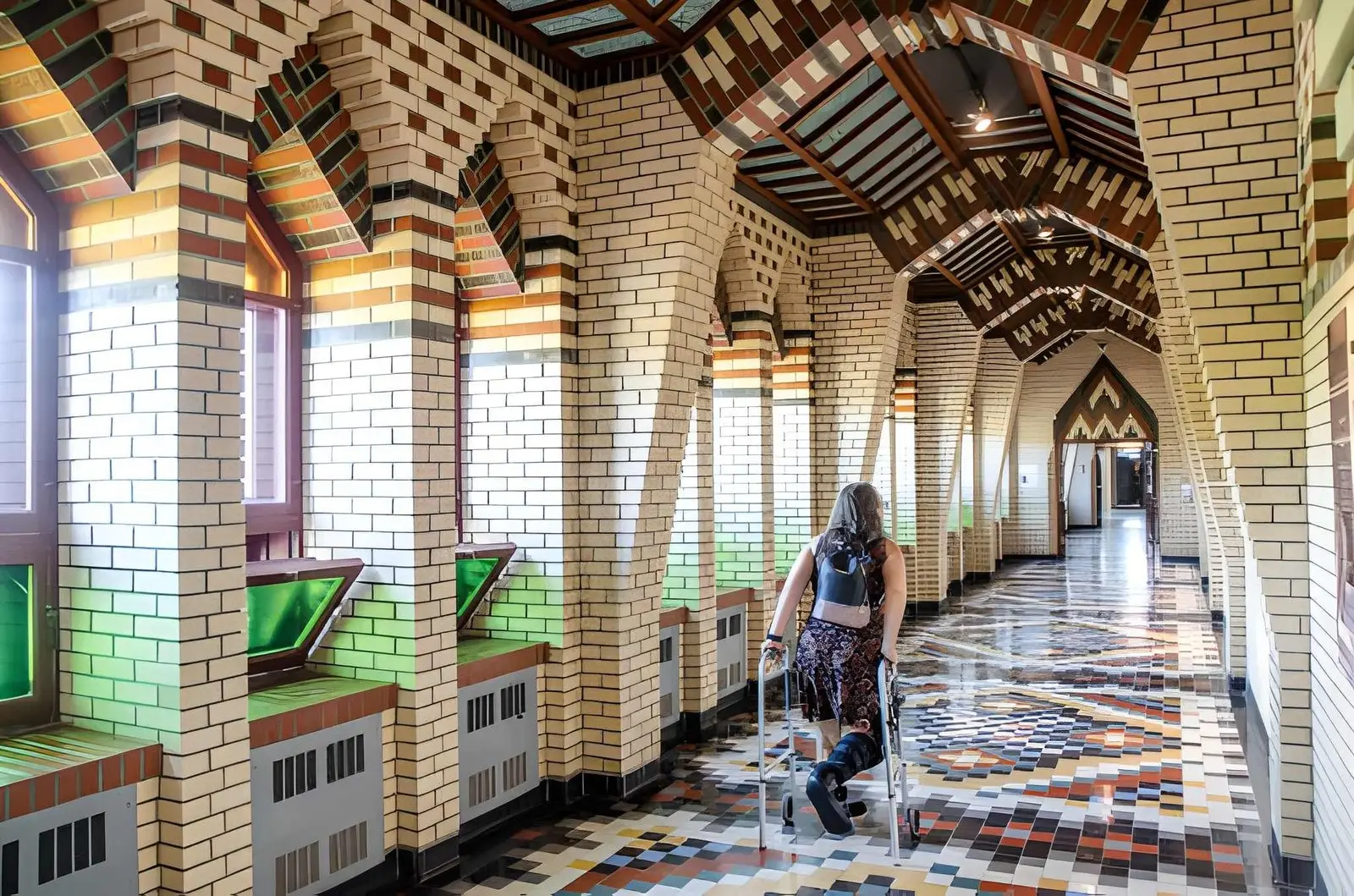
- Accessibility: Making a historic building ADA-compliant—adding ramps, elevators, and wider doorways—can be difficult without altering the building’s original footprint.
- Hazardous Materials: Older structures may contain asbestos, lead paint, or other materials that require specialized, expensive removal processes.
Transforming the Urban Landscape
The most successful adaptive reuse projects are those that respond to the current needs of the community. It is not just about saving a building; it is about creating a new function that serves the public.
From Industrial to Residential
As manufacturing moved out of city centers in the late 20th century, many urban cores were left with massive, empty industrial zones. The conversion of these factories into “lofts” has been a cornerstone of urban revitalization. These projects bring residents back into the downtown area, which in turn supports local grocery stores, pharmacies, and services.
From Retail to Community Spaces
We are also seeing a shift in how we use retail and office space. With the rise of e-commerce, many large department stores and traditional offices sit vacant. These spaces are being reimagined as:
- Maker Spaces: Large halls used for shared workshops, 3D printing labs, and artist studios.
- Indoor Urban Farms: Using large, controlled environments to grow produce within city limits.
- Community Hubs: Converting old schools or municipal buildings into libraries, indoor parks, or health clinics.
Economic Growth Through Repurposing
From a purely financial standpoint, adaptive reuse can be a powerful engine for local economies. While the upfront costs of renovation can be high, the long-term benefits are substantial.
First, these projects often act as “catalysts.” A single successful renovation of a derelict building can signal to other investors that a neighborhood is “up and coming.” This can lead to a wave of secondary investments in nearby properties, increasing the overall tax base for the city.
Second, adaptive reuse creates a “destination” effect. People are drawn to unique spaces. A coffee shop in a converted train station attracts more foot traffic than a standard coffee shop in a generic strip mall. This increased foot traffic benefits all surrounding businesses, creating a ripple effect of economic activity.
Finally, while the renovation process can be expensive, it often avoids the massive costs associated with entirely new infrastructure. If the building is already connected to city water, sewage, and power grids, the “plug-and-play” nature of the site can save significant time and money on utility extensions.
The Road Ahead for Urban Development
The future of our cities depends on our ability to be resourceful. We cannot continue to build outward indefinitely, as urban sprawl destroys natural habitats and increases car dependency. We must build inward, and we must build upward.
The most sustainable way to do this is to look at the structures we already have. Adaptive reuse teaches us that progress does not have to mean destruction. By viewing our old buildings as assets rather than liabilities, we can create cities that are environmentally responsible, economically vibrant, and culturally rich.
As we move forward, the challenge for architects, developers, and city officials will be to find the balance between preserving the past and embracing the future. The buildings that stand today are the foundations of our tomorrow. Through thoughtful repurposing, we can ensure they remain useful, beautiful, and vital for generations to come.
Also Read
- Improving ROI Through Smart Aviation Technology Investments
- 5 Tips for Preventing Damage in Your Home
- Metaphors for Challenges: 33+ Creative Ways to Express Life’s Struggles