
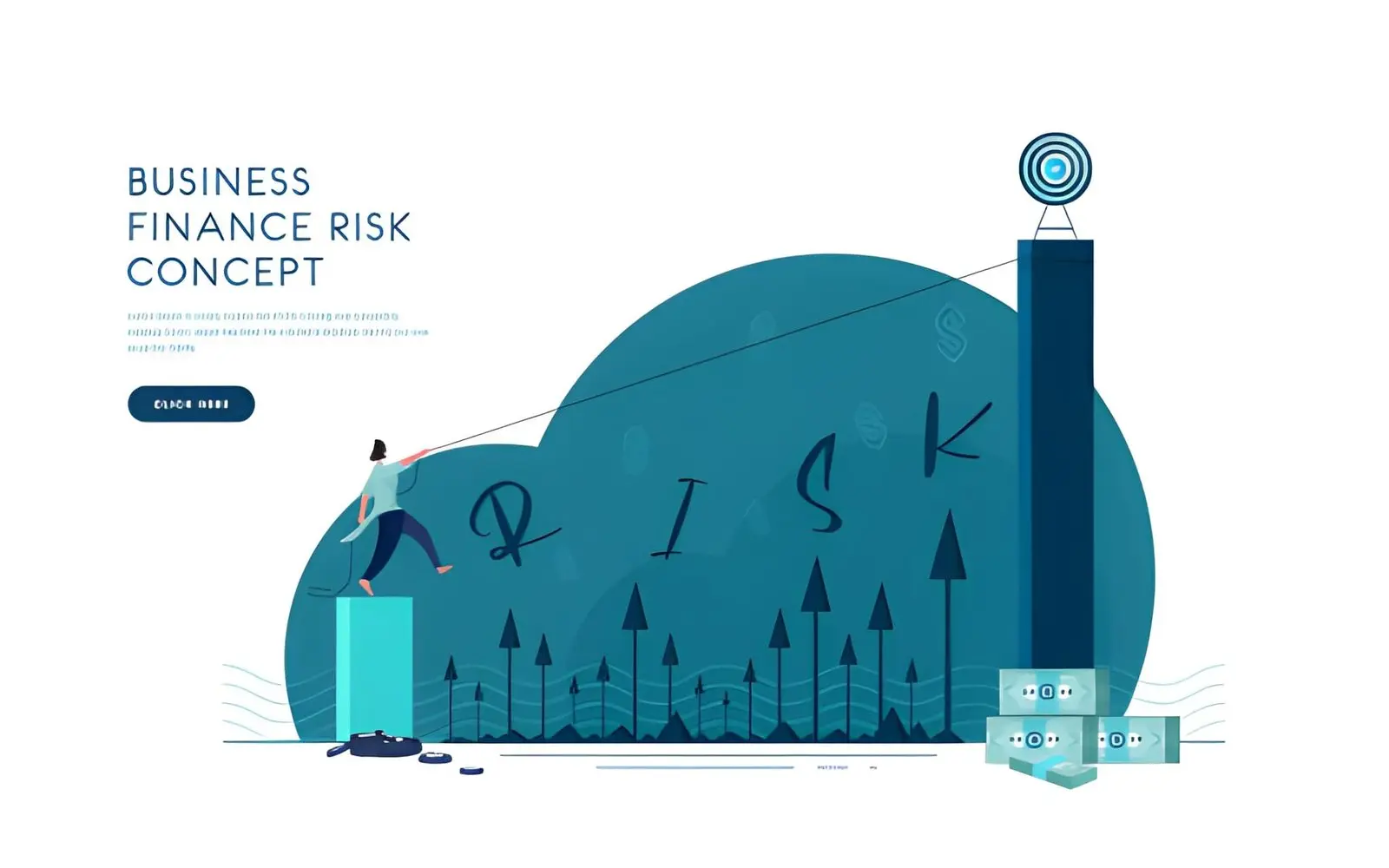
Scaling a business is often celebrated as the ultimate hallmark of success. When customer demand surges and revenue climbs, the natural instinct for most founders is to accelerate expansion. However, rapid growth is a double-edged sword. Beneath the surface of rising sales figures lie hidden financial risks that can easily destabilise an otherwise healthy enterprise. The transition from a steady operation to a fast-scaling machine demands a significant increase in capital, infrastructure, and operational rigour. Without careful planning, the very momentum meant to propel a company forward can cause it to collapse under its own weight. According to research from CB Insights analysing recent startup shutdowns, running out of capital is the top reason 70% of companies fail. This statistic highlights the severe risk of poor financial oversight during aggressive growth phases.
The Expanding Burden of Compliance and Administration
As operations grow, so does the complexity of corporate governance. Rapid expansion often brings a company into new tax brackets, requires adherence to stricter regulatory frameworks, and triggers more frequent audit requirements. When an internal finance team is stretched thin trying to manage daily growth, compliance tasks can easily fall behind. Furthermore, cross-border expansions or launching new product lines can introduce unfamiliar statutory obligations that demand specialised knowledge. Missing a tax deadline, misunderstanding local employment laws, or failing to submit accurate corporate filings can lead to severe financial penalties and long-lasting reputational damage. Investors and stakeholders quickly lose confidence in a business that cannot maintain basic governance standards.
Many successful scale-ups choose to outsource these critical but non-core functions to specialists. By doing so, founders can mitigate regulatory risks and administrative burdens, often relying on professional accounting business services to manage intricate reporting requirements. This approach ensures that internal teams remain focused on strategic growth and customer acquisition, while external experts safeguard the company against costly compliance errors.
Cash Flow Mismanagement and Liquidity Traps
The most immediate threat to a scaling enterprise is the depletion of cash reserves. Growing a business naturally requires upfront investment in talent, marketing, and inventory long before the corresponding revenue hits the bank account. This time lag between expenditure and income creates a dangerous liquidity gap. Even companies with soaring profits on paper can face insolvency if they do not have the liquid cash required to meet daily obligations.
To survive this critical period, business owners must transition away from basic bookkeeping and adopt more sophisticated financial tracking. Before scaling rapidly, founders must implement modern tools to maintain financial transparency, using digital accounting and automated expense management strategies to closely monitor operating expenses. Visibility is crucial. If leadership cannot see where cash is tied up in real time, they cannot make the agile decisions needed to survive unexpected market shifts.
Core Pillars for Protecting Capital During Expansion
Mitigating the hidden dangers of rapid growth requires a highly proactive approach to financial management. Relying on historical data is no longer sufficient when the scale of operations is changing month by month. Instead, leadership teams should establish resilient financial frameworks before pressing the accelerator, ensuring that internal systems can handle a sudden influx of transactions. Forecasting must shift from an annual exercise to a dynamic, ongoing process.
Consider adopting the following practices to build a safer foundation for growth:
- Stress-testing financial forecasts: Always model worst-case scenarios. Calculate exactly how long the business can survive if customer payments are delayed by 60 days or if supply chain costs increase unexpectedly.
- Maintaining a dedicated cash buffer: Reserve a percentage of all incoming revenue strictly for emergency liquidity. This buffer acts as a shock absorber against sudden market volatility or unforeseen operational hiccups.
- Tightening accounts receivable: Scaling businesses cannot afford to act as a free credit facility for their clients. Implement stricter payment terms and actively chase overdue invoices to ensure cash flows back into the business promptly.
- Reviewing structural unit economics: Periodically re-evaluate the true cost of delivering your product or service at a larger scale. Increased volume does not automatically guarantee lower per-unit costs, especially if new logistical complexities arise.
Sustainable Growth Over Speed
Ultimately, the primary goal of expansion should be building long-term value rather than just achieving a larger operational footprint. Founders must respect the mathematics of sustainable growth. Revenue milestones are undoubtedly exciting to announce, but consistent cash flow, solid profit margins, and strict regulatory adherence are the true metrics of survival. By acknowledging the hidden financial risks of scaling, investing in robust tracking tools, and securing expert compliance support early on, businesses can navigate the turbulent waters of expansion with total confidence. Sustainable growth requires patience, discipline, and a relentless focus on foundational financial health, ensuring the business remains robust long after the initial growth surge.
Also Read
- Financial Planning Tips for Moving Between Countries
- Shifting Your Relationship With Money
- Chief Phillip Scott Shares 5 Spring Plants and Herbs That Support Renewal and Inner Alignment at Home