
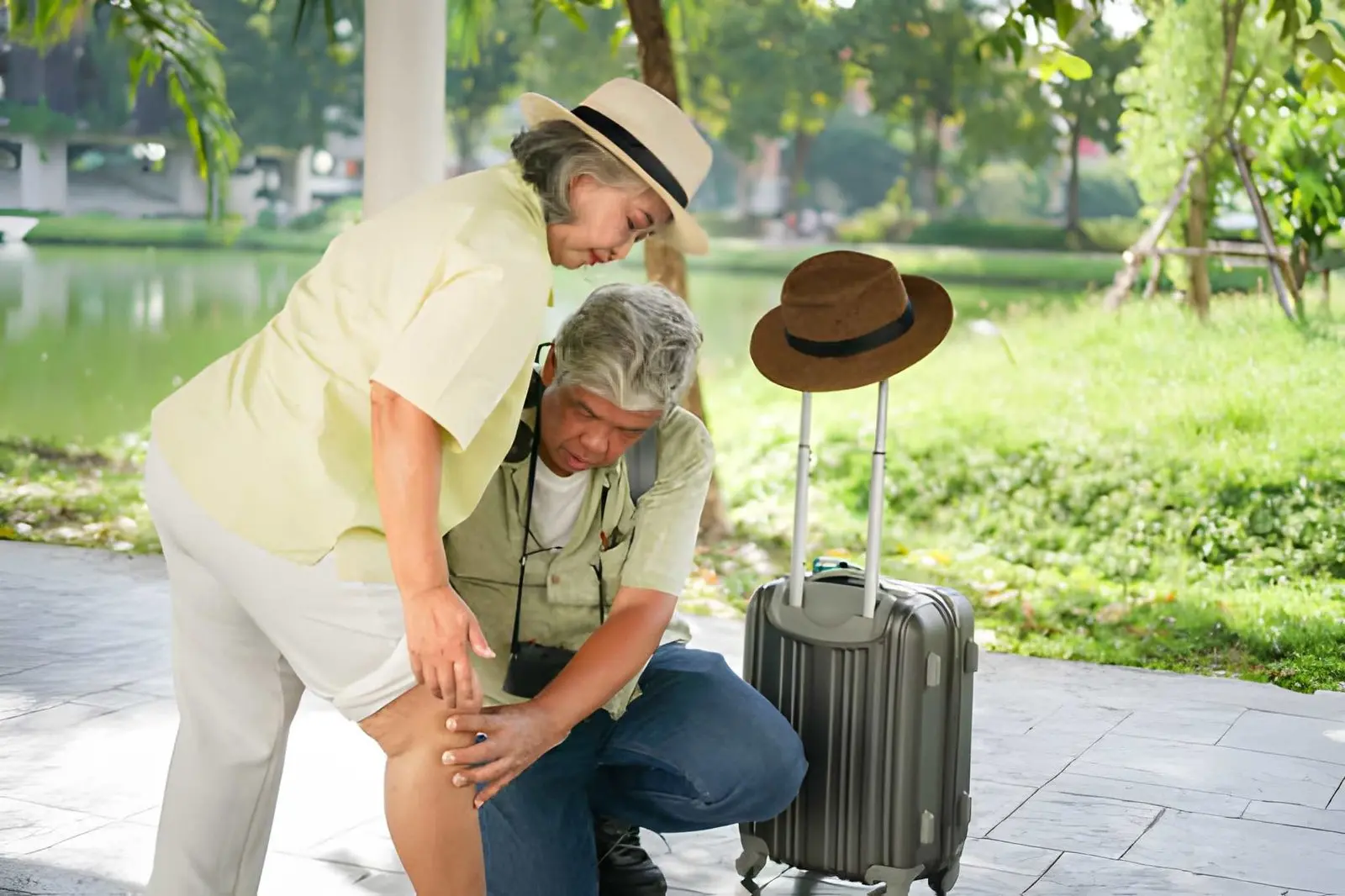
Exploring the world should be an exciting experience, regardless of your age or physical condition. The global accessible tourism market has seen massive growth recently, largely driven by active older adults who want to travel internationally but need smart accommodations for mobility and joint health. Exploring new cultures, tasting exotic cuisines, and visiting historical landmarks are joys that everyone deserves to experience. The Centers for Disease Control and Prevention reports that around one in four adults in the United States lives with some form of arthritis. This makes joint stiffness and unpredictable pain a very common consideration for modern travelers. However, with the right preparation and active lifestyle routines, you can ensure your next vacation is relaxing rather than restrictive.
Preparing for Transit and Flight Comfort
Air travel can be particularly taxing on vulnerable joints. Prolonged immobility during flights, combined with changes in cabin pressure, can reduce synovial fluid circulation. This physiological change often increases the likelihood of post-flight joint stiffness and discomfort upon landing. To minimize these effects, proactive planning is essential before you even head to the airport. Because you never know exactly when stiffness will strike, keeping folding walking sticks in your personal bag is a brilliant strategy for navigating long airport terminals or unexpected delays. These compact tools give you immediate access to support gear, ensuring you only use them when you truly need them without feeling burdened by heavy equipment.
Travelers with unpredictable joint pain can take advantage of several modern programs and services designed to make transit smoother and less stressful:
- Request specialized assistance: The TSA Cares program allows passengers with medical conditions to request a Passenger Support Specialist. You just need to reach out at least 72 hours before your flight to get personalized help through airport security checkpoints, bypassing long, physically demanding lines.
- Use visual cues: The Hidden Disabilities Sunflower program is recognized in over 200 airports worldwide. Wearing a specific sunflower lanyard discreetly signals to staff that you have an invisible condition, such as chronic pain, and might need extra time, seating accommodations, or assistance boarding your flight.
- Leverage accessible booking filters: Major airlines and hotel booking platforms now offer expanded filters specifically tailored for mobility needs. You can easily request lower-floor rooms, proximity to elevators, and step-free access to prevent unnecessary joint strain right from the start of your trip.
Smart Packing for Joint Protection
When packing your carry-on, you need to balance convenience with practical pain management. Bringing the right tools can make a significant difference in how you feel upon arrival at your destination. Travel and wellness experts frequently advise packing pain relief solutions strategically. You can bring pain-relief creams that comply with the standard TSA liquid rule, ensuring your favorite topical treatments remain accessible. Alternatively, you can pack solid anti-inflammatory balms to bypass airport liquid restrictions completely, leaving more room for other essentials in your toiletry bag.
Mobility gear is another crucial packing consideration that requires thoughtful planning. The mobility aid industry is currently undergoing a positive shift, moving away from bulky clinical designs toward aesthetically pleasing travel accessories. Modern innovations in materials science mean that carbon fiber devices often weigh less than one pound, significantly reducing hand and wrist fatigue during extended use. Transportation security guidelines explicitly permit walking canes and sticks through checkpoints, where they simply pass through the X-ray machine. This makes traveling with your preferred assistive devices easier and more socially acceptable than ever before.
Navigating Excursions with Confidence
Once you arrive at your destination, protecting your joints during long sightseeing tours becomes your absolute top priority. Even if you feel highly energetic in the morning, hours of walking on uneven cobblestone streets, hiking nature trails, or navigating steep museum stairs can trigger unpredictable pain. Taking preventative measures can help you maintain your independence and enjoy your carefully planned itinerary to the fullest. Pacing yourself and scheduling regular rest breaks allows your body to recover, preventing minor aches from turning into trip-altering discomfort.
Biomechanical research strongly supports the use of support tools during extended physical activity, especially for older travelers. According to a recent clinical review, using walking aids can reduce peak knee adduction moment by approximately 20 percent in operated knees while significantly offloading mechanical stress on the opposite knee, as detailed in these biomechanical study findings. This scientific evidence highlights how utilizing a simple support device directly minimizes joint stress during movement. By systematically offloading this pressure, you can explore new cities for much longer periods without aggravating underlying inflammation or risking further injury to vulnerable cartilage.
Ultimately, traveling with joint pain does not mean you have to compromise on the quality or ambition of your trip. By utilizing airport support programs, packing smart accessories, and pacing your daily activities, you can focus on making incredible memories instead of worrying about physical discomfort. Proper preparation, an optimistic mindset, and the right gear allow you to embrace the journey with complete confidence and enduring comfort.
Also Read-4 Practical Ways To Stretch Any Tech Budget
- The Art of Adaptive Reuse: Breathing New Life into Historic Structures
- Transform Your Home with Expert House Extensions