
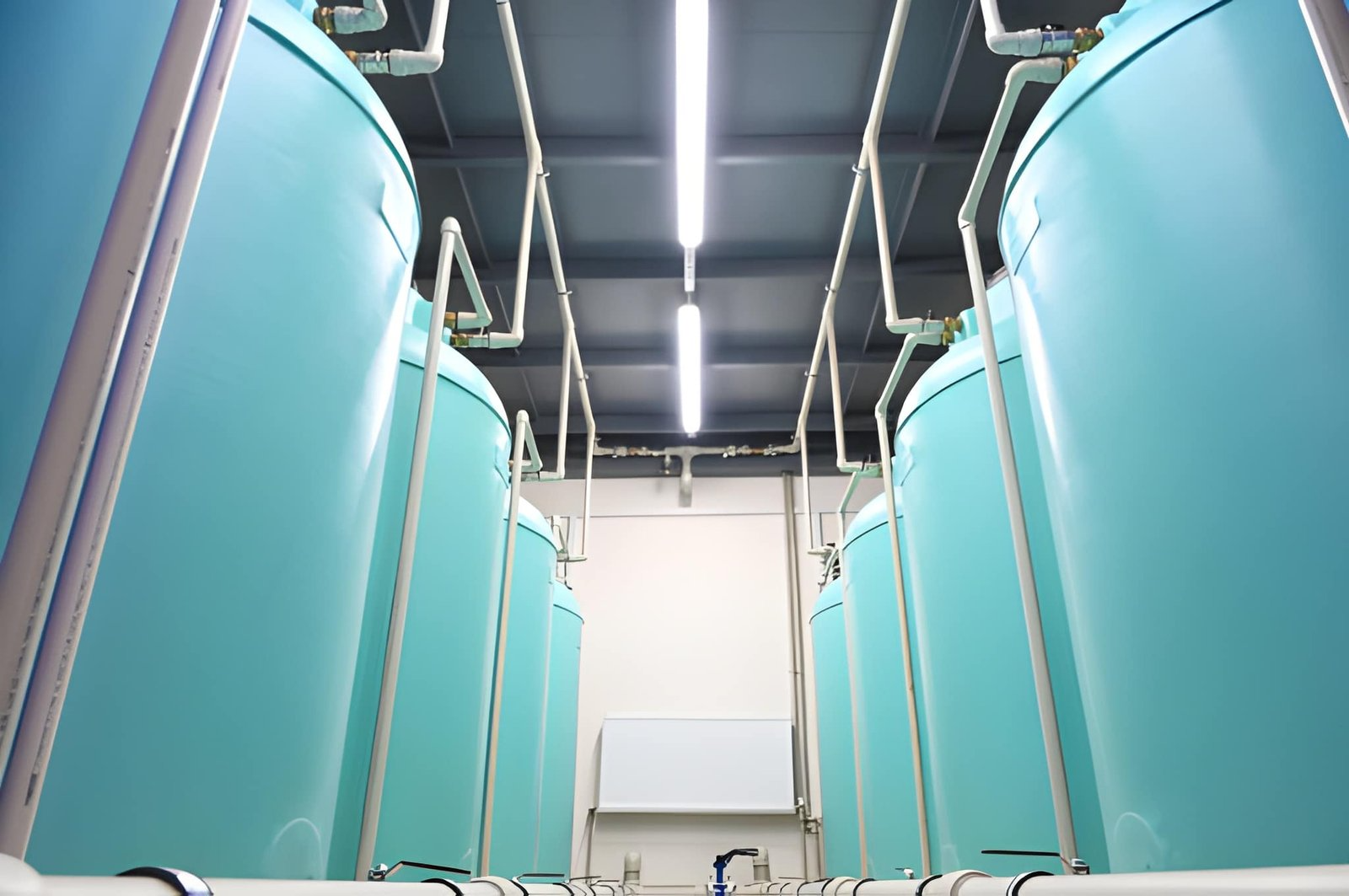
As urban areas become increasingly developed, effective water management solutions are paramount. One method that stands out in managing stormwater is the use of infiltration tanks. These systems provide a multifaceted approach to water management, allowing for both the collection and gradual release of stormwater, which mitigates the impact on infrastructure and the environment.
Understanding Infiltration Tanks
Infiltration tanks are underground solutions designed to capture and temporarily store stormwater runoff from impervious surfaces such as roads and rooftops. By holding the water temporarily, these tanks allow the water to seep into the surrounding soil or aquifers gradually. This process not only reduces the burden on stormwater systems but also replenishes groundwater levels.
Key Benefits of Infiltration Tanks
There are numerous benefits associated with using infiltration tanks as part of a water management strategy. These benefits extend beyond the immediate impact of reducing flood risks. By enabling water infiltration into the ground, these tanks support groundwater recharge, which is crucial in preventing drought conditions. Moreover, infiltration tanks can improve water quality by filtering out pollutants and sediments before they reach natural water bodies.
Reducing Urban Flooding
One of the primary advantages of infiltration tanks is their role in flood reduction. During heavy rainfall events, urban areas can struggle with excessive surface water. Infiltration tanks act as a buffer, absorbing large volumes of water which are then gradually released. This process significantly reduces the likelihood of surface flooding and waterlogging in developed areas.
Environmental Impact
Infiltration tanks also contribute positively to environmental conservation. By reducing runoff volumes, these systems help protect local ecosystems that can be negatively impacted by sudden surges of water. Additionally, the natural filtration process that occurs as water percolates through the soil removes various contaminants, thus enhancing the overall quality of water that re-enters the ecosystem.
Design and Installation Considerations
When designing infiltration tanks, several factors must be considered to ensure optimal performance. The size and capacity of the tank should align with the catchment area and expected volume of stormwater. Soil permeability tests are generally recommended to determine the natural infiltration rate of the site. This information is crucial in determining the sizing and specifications of the tank.
Site Suitability
Not all locations are suitable for infiltration tanks. Factors such as soil type, groundwater table levels, and the presence of contaminated soils can all influence the viability of installing infiltration tanks. It is essential to conduct thorough site assessments to identify any potential limitations.
Maintenance Requirements
To ensure long-term functionality, infiltration tanks require regular maintenance. This includes periodic inspection of the tank and its components to remove any blockages. Sediment build-up can impede the infiltration process and reduce the efficiency of the system. As such, routine cleaning and maintenance are vital to sustaining the performance of infiltration tanks.
Integrating Infiltration Tanks with Other Systems
Integration with existing or new stormwater management systems can be advantageous, providing comprehensive water management solutions. By combining infiltration tanks with other green infrastructure initiatives, such as rain gardens or permeable pavements, urban landscapes can enhance their resilience to water-related challenges.
Cost Considerations
While the initial investment in infiltration tanks may be substantial, their long-term benefits often outweigh these costs. Reduced flooding damage, improved water quality, and the replenishment of groundwater resources can lead to economic savings over time.
Conclusion
Infiltration tanks are a valuable component in modern water management strategies. By maximising the efficiency of stormwater handling, these systems not only mitigate flood risks but also support environmental sustainability. As cities continue to grow, infiltration tanks represent a proactive approach to addressing the challenges associated with water management.
Read more: Top Benefits of Mobile Car Detailing in Sydney with Jim’s Car Detailing – metaphorhaven.com
Transform Your Look with Expert Rhinoplasty in Sydney: Insights from Dr. Shahidi – metaphorhaven.com
The Ultimate Guide to Unique Cocktail Bars and the Icebar – metaphorhaven.com