
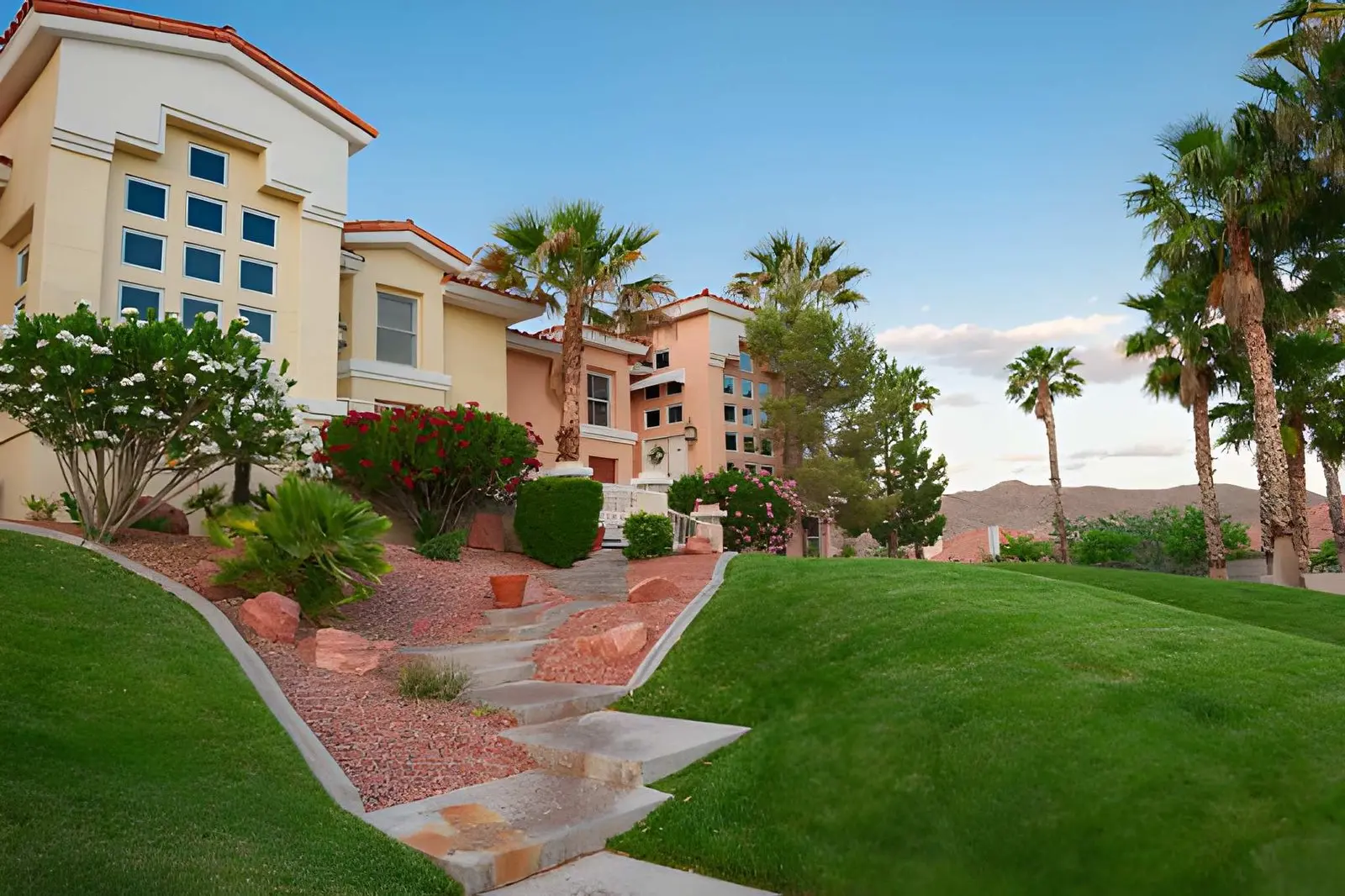
A vacation home in St. George does not operate like a spare room with a calendar attached. It sits in a market shaped by red-rock weekends, golf trips, family reunions, marathon crowds, national park traffic, and summer heat that can punish a poorly prepared house before the next guest even opens the door.
For owners, the stakes are practical. A five-star stay can lead to repeat bookings and stronger nightly rates. A missed cleaning, weak air conditioning, confusing check-in, or slow response after a plumbing issue can turn one busy weekend into refunds, bad reviews, and unnecessary repairs.
That is why desert vacation homes need more than general oversight. They need local management that understands how people actually use St. George homes.
Guests Arrive With Desert-Specific Expectations
Many St. George visitors are not coming for a quiet overnight stop. They arrive with bikes, golf clubs, hiking gear, coolers, children, grandparents, and plans that start early in the morning. Some are headed to Snow Canyon. Others are using the home as a base for Zion, Tuacahn, Sand Hollow, or a weekend tournament.
That changes what “ready” means.
A guest who checks in after a long drive wants the thermostat working, the door code clear, the Wi-Fi simple, and the home cool enough to sleep comfortably. A family returning from a July hike needs towels, working laundry, shade where possible, and enough basic supplies to avoid a frustrated grocery run before dinner.
Small details become part of the review. Is there space for outdoor gear? Are instructions plain? Does the home feel clean in a dusty climate? Is the patio usable in the evening? Can guests find parking without guessing?
Good management connects those details before they become complaints.
Desert Wear Is Real, and It Moves Fast
St. George properties face a hard combination of sun, dust, wind, heat, and seasonal surges. Outdoor furniture fades. Grill areas get heavy use. Filters need attention. Pools and spas can become review risks when they are not monitored closely. Door seals, irrigation, pest control, and HVAC performance all matter more in a desert rental than many new owners expect.
A property can look fine from a listing photo and still disappoint guests in person. Dust on patio seating, a struggling air conditioner, or a spa that is not ready after check-in can damage the stay immediately.
This is where experienced local oversight protects both the guest and the owner. Regular inspections catch problems before a holiday weekend. Vendor relationships shorten repair times. Seasonal preparation helps keep the home ready for spring break, summer travel, fall event weekends, and winter visitors escaping colder markets.
Owners comparing options for property management St George Utah should look closely at how a company handles those local pressures, not just how it lists a home online.
Guest Care Starts Before the Door Opens
Strong vacation rental management is not only about reacting quickly. It is about reducing the number of issues guests face in the first place.
That begins with accurate expectations. Photos should match the current condition of the property. Descriptions should be clear about sleeping arrangements, parking, stairs, pool rules, neighborhood expectations, and distance to common attractions. Overpromising may win a booking, but it often loses the review.
Pre-arrival communication matters too. Guests should know how to enter the property, where to park, what to bring, and whom to contact if something goes wrong. In a destination market, many visitors are arriving tired, late, or on a tight schedule. Clear information lowers stress before the stay begins.
During the visit, response time becomes part of hospitality. A broken coffee maker is minor if handled well. A thermostat problem in August is urgent. A locked-out guest after dark needs a direct answer, not a delayed message the next morning.
The best managers understand the difference.
Owners Need Income, but They Also Need Control
Vacation-home owners often focus first on bookings and nightly rates. That is understandable. A second home has real carrying costs: mortgage payments, insurance, utilities, maintenance, furnishings, cleaning, taxes, and replacement items. Empty nights hurt.
But revenue without control can become expensive. Poor guest screening may lead to damage. Weak cleaning standards can lower ratings. Deferred maintenance can turn a small repair into a major bill. Bad communication can cost future bookings even when the home itself is beautiful.
A capable property manager helps balance occupancy with protection. That means pricing for demand without attracting the wrong use, watching review trends, maintaining standards, and advising when updates are worth making. Sometimes a better mattress, clearer outdoor lighting, or faster internet can do more for guest satisfaction than a broad remodel.
For St. George owners, the goal is not simply to keep a calendar full. It is to keep the property earning while preserving the home’s condition and reputation.
Local Knowledge Shows Up in the Stay
Guests may not know whether a home is professionally managed, but they feel the difference. They notice when the house is cool on arrival, when supplies make sense, when check-in is smooth, and when someone answers quickly.
In a desert market, those details are not luxuries. They are the foundation of a reliable guest experience.
A St. George vacation home can be a strong asset, especially when it serves travelers who come back year after year for the scenery, events, trails, and warm weather. But the home needs management shaped by the place itself. Local expectations, seasonal pressure, and desert conditions all affect the stay.
Owners who treat management as a safeguard, not just a booking service, are better positioned to earn stronger reviews, protect their investment, and give guests the kind of St. George visit they hoped for when they booked.
Also Read-Small Home Features That Affect Daily Comfort