
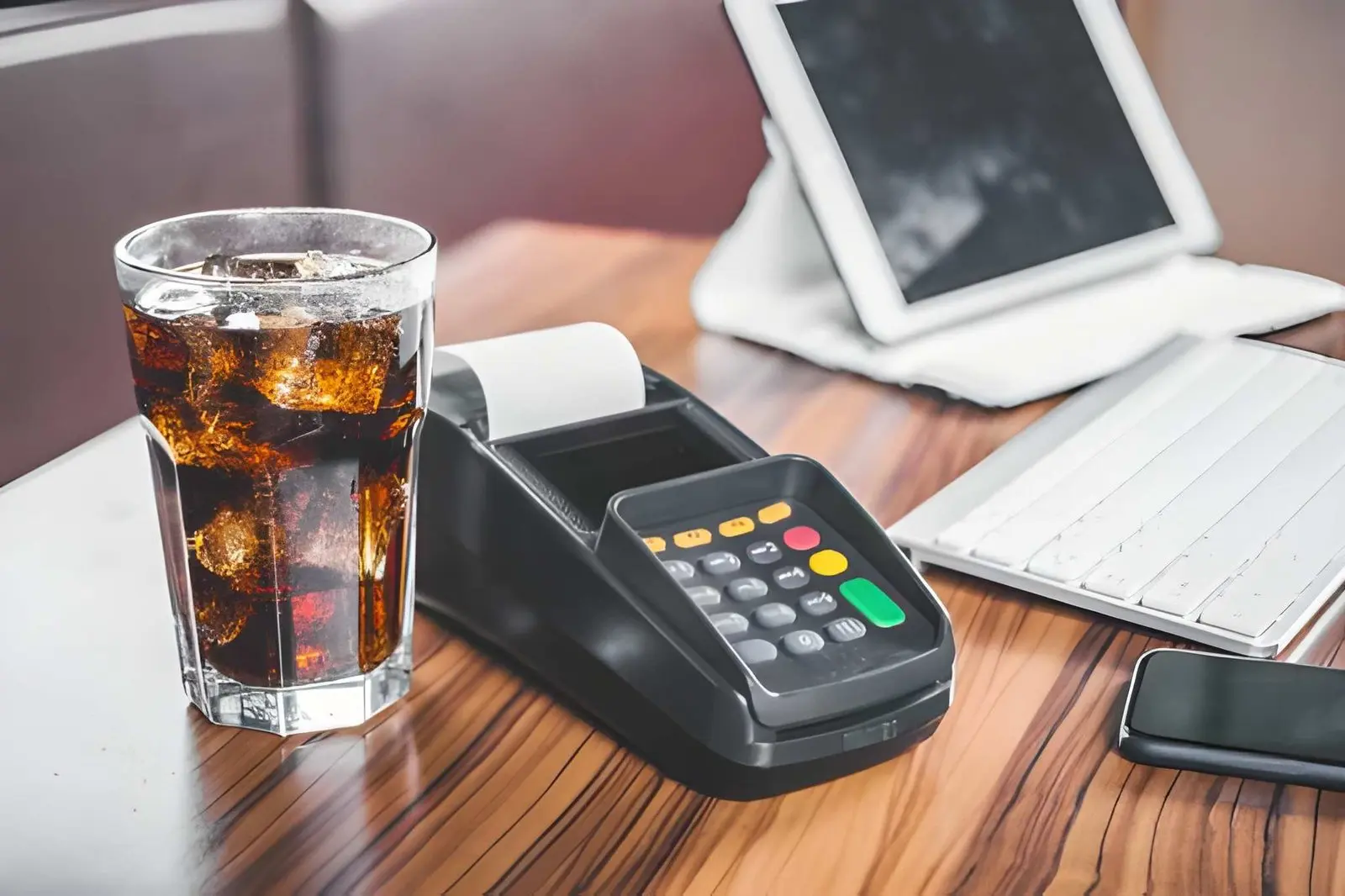
As digital payments become a regular part of dining experiences, restaurants are rethinking how they manage payments within their service flow. Guests increasingly expect quick, convenient and flexible payment options without having to leave their tables.
For restaurants, a swipe machine has become part of the guest experience, especially during table-side billing. Table-side payments create different demands from counter-based setups because staff carry the device to the guest.
Connectivity, battery life, receipt options and payment modes all influence service flow. Let’s explore what restaurants should evaluate before choosing a swipe machine for table-side billing.
Practical checks before choosing a table-side swipe machine
A table-side payment device should support guest comfort, staff movement and smooth billing across every dining format.
Choose a device that moves easily across tables
Table-side billing depends on quick and comfortable staff movement. Servers may need to carry bills, trays and payment devices during active service hours. A swipe machine should be compact, lightweight and easy to use repeatedly.
Restaurants with larger dining areas, outdoor sections or multiple floors can particularly benefit from portable devices. Staff should be able to move between tables without feeling restricted by bulky equipment or complicated handling requirements.
This helps staff complete payments at the table without unnecessary counter visits. For restaurants, better portability can improve table turnover, reduce delays and support a smoother service flow.
Ensure steady connectivity and battery support
Restaurant layouts can include indoor tables, outdoor seating, private rooms and upper floors. A swipe machine should maintain stable connectivity across these areas, especially during peak billing times.
Interrupted connections can slow down payments and create unnecessary waiting for guests. Consistent network performance helps staff process transactions quickly, even when multiple tables are settling bills at the same time.
Battery life is equally important because restaurants often operate across long shifts. A dependable device helps staff complete payments through lunch, dinner and late-evening service. Strong connectivity and battery support together keep billing smooth when several tables are close together and help minimise service disruptions.
Align payment options with guest preferences
Restaurant guests may prefer cards, UPI, QR codes, wallets or contactless payments. The right swipe machine should support the payment modes guests commonly use across dining occasions.
Different customer groups may have different payment habits. Business diners, families, tourists and younger consumers may each prefer different methods, making payment flexibility an important consideration.
This flexibility helps staff complete payments without switching between multiple tools. Contactless support can speed up smaller transactions, while card payments remain useful for larger bills. Payment choice makes the final dining step more convenient, efficient and guest-friendly.
Make receipts and settlements easier to manage
Receipts matter for office claims, tax records, group dining and guest confirmation. Restaurants should check if the device supports printed, SMS or digital receipt options where available.
Offering multiple receipt formats can improve convenience for guests while reducing dependence on paper records. Digital receipts may also help restaurants streamline record-keeping and reduce manual handling.
Clear settlement tracking is also useful for daily closing. A swipe machine that records payments neatly can help teams match collections, refunds and confirmations with less effort. This supports smoother coordination between service teams, cashiers and finance staff while improving operational visibility.
Keep table-side payments secure and reliable
Security is essential when payments happen near the guest. A swipe machine should support encrypted transactions, safe authentication and standard payment safety requirements.
Guests often feel more comfortable when payments are completed in their presence. Secure transaction processes can strengthen trust and help create a more reassuring payment experience.
Restaurants should also consider device reliability and service support. Timely assistance can help teams maintain steady payment acceptance during important service hours. A secure and reliable setup helps staff close bills with confidence, reduces operational interruptions and keeps the guest experience smooth.
Choose table-side billing tools that support smoother dining experiences
Table-side billing can make the final stage of dining easier for guests and staff. The right device supports mobility, steady connectivity, useful receipt options, preferred payment modes and reliable battery life.
A swipe machine should fit the restaurant’s layout, billing process and daily service rhythm. It should also help teams close payments with clarity, comfort and confidence. Swipe machine providers such as Pine Labs add value through connected commerce thinking, payment intelligence and merchant-focused innovation.
This helps restaurants view payments as part of the complete dining journey. With the right swipe machine, every table-side bill can close with greater ease. For more information, visit https://www.pinelabs.com/.
Also Read