
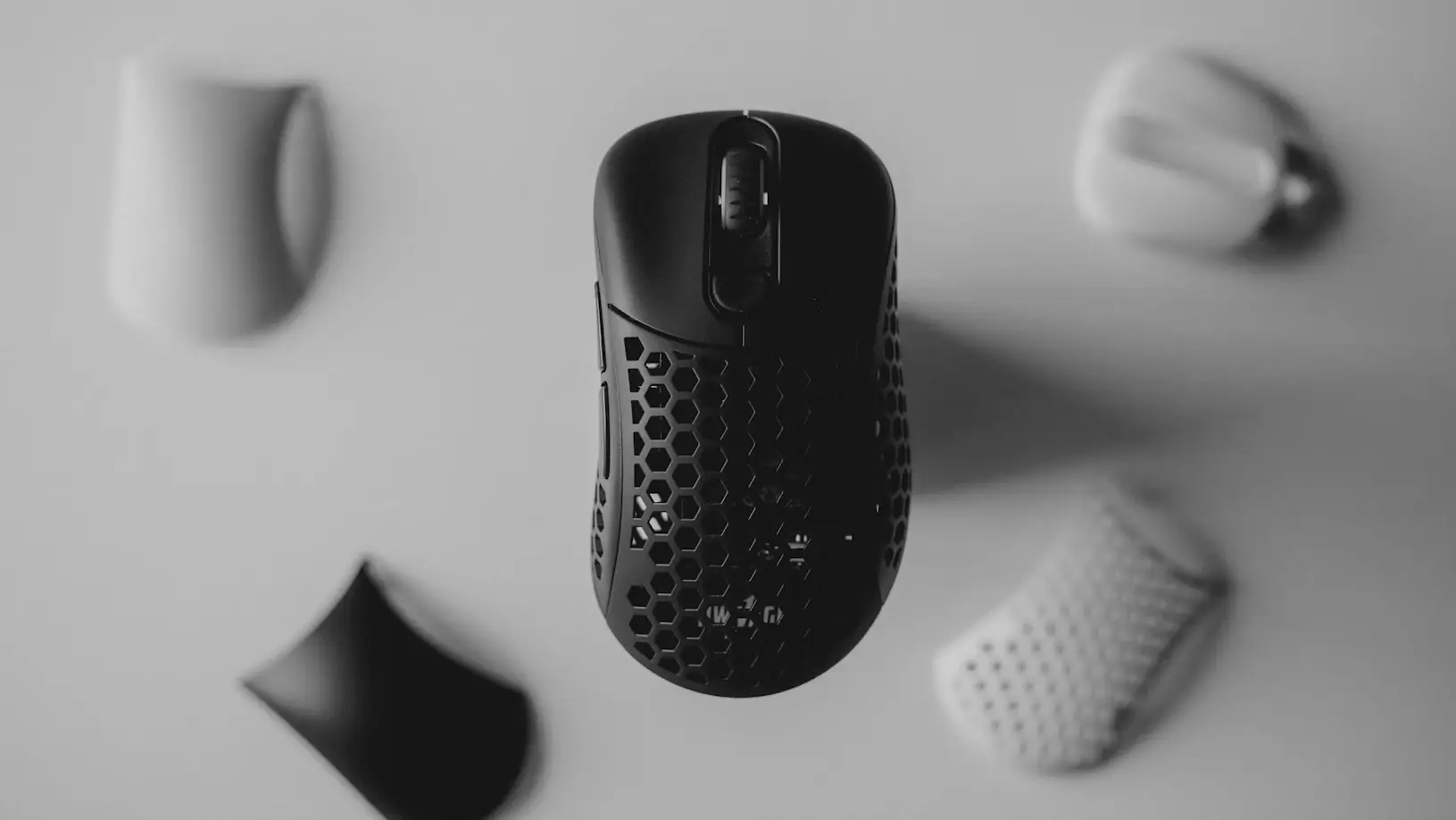
In the fast-paced world of online gaming, where split-second decisions often make the difference between victory and defeat, having the right equipment is crucial. The humble mouse, once a mere tool for navigating user interfaces, has evolved into a sophisticated piece of technology crucial for achieving peak gaming performance. As players seek to maximise comfort and efficacy, options like the Bluetooth gaming mouse stand out, offering not just convenience but also enhanced ergonomic features that cater to serious gamers.
Understanding Ergonomics in Gaming Mice
Ergonomics is the science of designing products that fit comfortably and efficiently with human use. In the context of gaming mice, it pertains to designing a mouse that reduces strain on the wrist, hands, and fingers, minimising the risks of repetitive strain injuries (RSI). Ergonomic gaming mice are crafted based on extensive research and user feedback to ensure that gamers can indulge in prolonged gaming sessions without discomfort or fatigue.
The key principle behind an ergonomic gaming mouse is that it should support the natural position of the hand and minimise any unnatural bending or tension. Unlike standard mice, ergonomic variants often feature a contoured design that complements the curvature of the hand. This not only alleviates pressure on the midsection of the palm but also discourages the claw and fingertip grips that can lead to strain over time.
Features Differentiating Ergonomic Mice
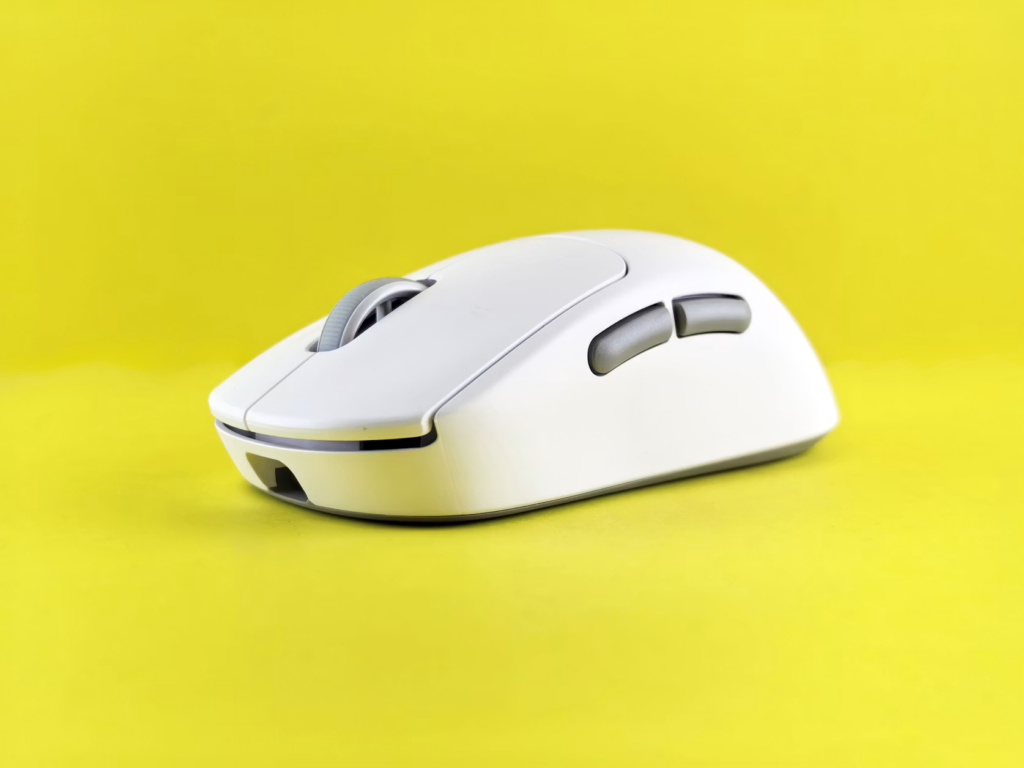
Several features set ergonomic gaming mice apart from their conventional counterparts. Firstly, material quality is paramount. Many ergonomic mice use rubberised sides or textured grips to prevent slipping and ensure control during intense gaming sessions. The size and shape are also meticulously crafted; they often come in different sizes to accommodate varying hand sizes and grip styles.
A prominent characteristic is button placement. Ideal ergonomic mice feature strategically placed buttons that require minimal movement and effort to press, reducing the likelihood of hand fatigue. Advances in technology have also introduced mice with adjustable weights, allowing users to personalise the heft and balance of their device, further enhancing comfort and control.
Wireless and Wired: The Ergonomic Debate
A significant point of discussion in gaming circles concerns the choice between wireless and wired ergonomic mice. In the past, wired mice were preferred by competitive gamers due to their low latency. However, advancements in wireless technology have significantly closed this gap. Modern wireless gaming mice offer competitive performance, with some boasting response times rivalling or even surpassing their wired counterparts.
Moreover, the convenience and flexibility offered by wireless mice, especially Bluetooth options, make them a popular choice for ergonomics. Without the restrictions of a cable, users experience less resistance, which can reduce strain on the wrist during quick, dynamic movements. In this regard, a well-designed wireless ergonomic mouse can provide both comfort and performance.
Choosing the Right Ergonomic Gaming Mouse
Selecting the right ergonomic gaming mouse depends on various factors, including hand size, grip style, and personal gaming needs. Manufacturers often provide options for different grip styles, including palm, claw, and fingertip. A palm-grip mouse, for instance, is designed to accommodate the whole hand, offering broader surface contact and support. Claw-grip mice, on the other hand, allow for precision movements but are typically recommended for those with specific ergonomic needs.
Furthermore, customisability plays a critical role in the selection process. The best ergonomic mice allow for button remapping and macro programming, enabling gamers to optimise their setup according to their play style and the demands of their favourite games.
The Impact of Ergonomics on Gaming Performance
Beyond comfort, an ergonomic gaming mouse can have a direct impact on gaming performance. By reducing strain and enhancing comfort, players can maintain focus and agility in high-pressure gaming scenarios for extended periods. This is crucial in the competitive gaming landscape, where endurance and precision can determine the success of a player or team.
Moreover, an optimal ergonomic design can enhance a gamer’s reaction time. With buttons placed intuitively for quick access and a shape that allows for smooth, precise movements, an ergonomic mouse helps minimise the time it takes for a player to react, ultimately contributing to better in-game performance.
Future Trends in Ergonomic Gaming Mice
The future of ergonomic gaming mice looks promising as technology continues to advance at a rapid pace. Emerging trends include the integration of artificial intelligence to personalise the gaming experience further. AI could potentially adjust mouse sensitivity and latency parameters in real time to suit individual playing conditions and styles.
Developments in materials science are also paving the way for lightweight yet durable mice that maintain ergonomic integrity. Additionally, expect to see more innovation in terms of modular designs, allowing gamers to swap out components to fine-tune their setup to an unprecedented level of personalisation.
The importance of an ergonomic gaming mouse cannot be overstated for both casual and professional gamers. As the gaming landscape continues to evolve, the quest for an ideal balance of comfort, performance, and user preference drives the demand for enhanced ergonomic solutions, making this a perpetually exciting aspect of gaming hardware.
Also Read
- 4 Practical Ways To Stretch Any Tech Budget
- Small Business Financing
- Excelling in Modern Technical Interviews: Essential Skills and Strategies