
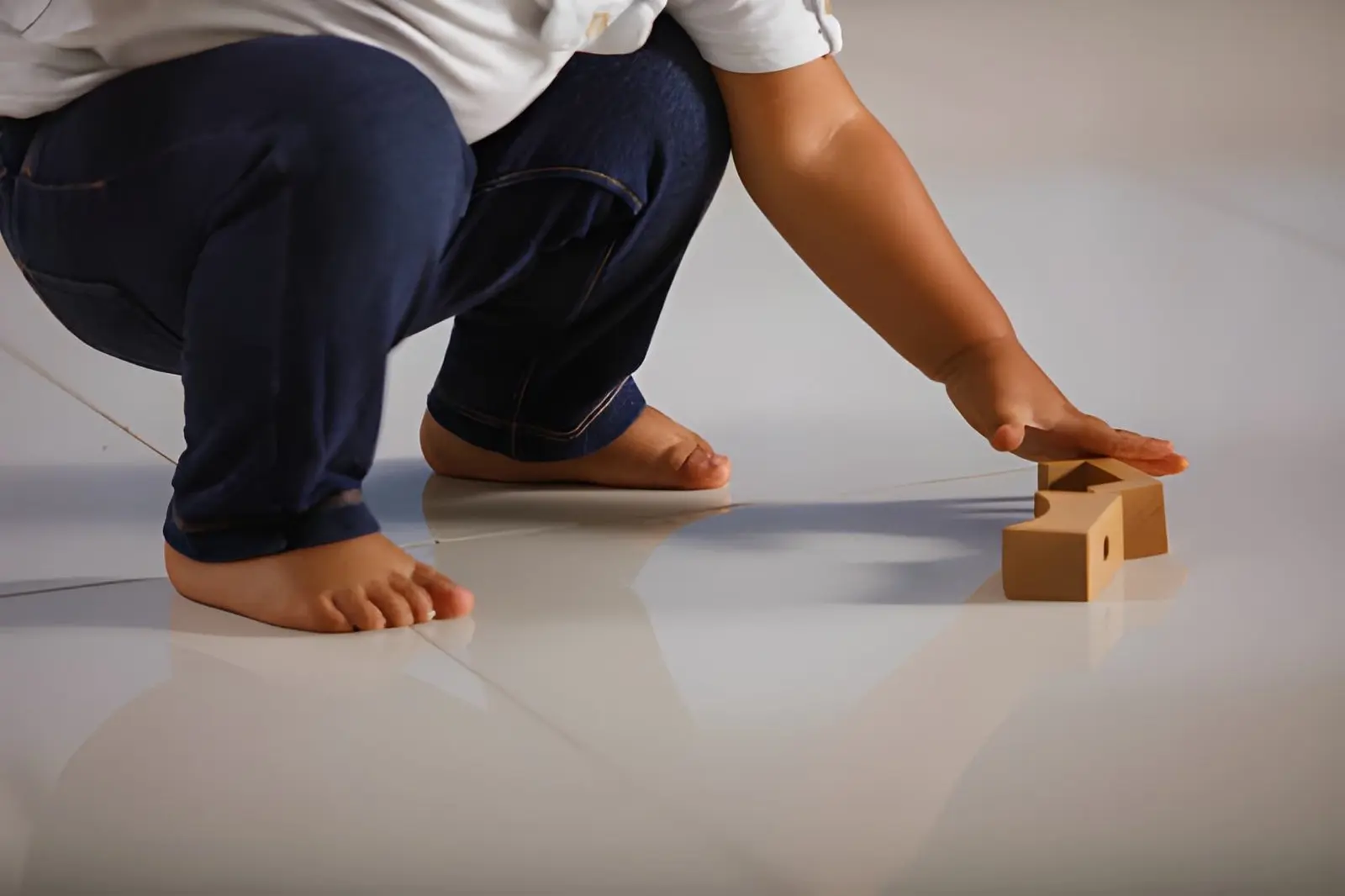
There are so many fun milestones for toddlers! Children aged one to three are learning through play – from walking with confidence to stacking building blocks and pawling at various textures. Playing with each one they move around, push and pull, or construct helps them physically, mentally and emotionally. Toys that promote movement and sensory play not only provide opportunities for life skills, but they also help make the learning fun.
Whether a mom’s shopping abroad, online, or in a catalog, there are countless choices among toys today, and the ones that are the most valuable are the ones that involve active participation on the part of the parents rather than passive entertainment on the part of the children. More and more brands like https://banasuper.com/ are creating beautifully designed toys that promote hands-on learning, imaginative play, and developmentally appropriate activities for those youngsters.
The importance of Motor Development.
Motor Development involves the development of a child’s control of his or her body. It is typically classified in two types:
Gross motor skills – movement of large muscles, walking, running, climbing, balancing and jumping.
Fine motor skills refer to the use of smaller muscles such as those of the hands and fingers which are used in grasping objects, turning the pages of the book, stacking blocks, drawing and using simple tools.
Good motor skills are a foundation for future activities like writing, sports, dressing and working independently in daily activities.
Understanding Sensory Development
Young children investigate the world using the senses. Sensory development involves taking in information from touch, vision, hearing, smell, taste, movement and sense of body. These different textures, sounds, colours and movements are valuable in making important neural connections in the brain that assist in learning and problem solving.
In addition, sensory play is beneficial for toddlers’ concentration and emotional regulation, as well as their creativity and confidence in exploring behaviors of various objects.
Features of Developmentally Appropriate Toys
Remember to choose toys for toddlers that do more than entertain and provide opportunities for exploration. Developmental toys can, and should, have many wonderful qualities, such as:
Colors that are bright, but not strong or intense
More than one texture to explore in hands-on activities.
Safe, rounded edges
Durable construction
Opportunities for open-ended play are given.
Developmentally appropriate activity
Open-ended toys continue to be of interest, as children are able to use them in various ways as their skills develop.
Toys That Improve Gross Motor Skills
Active play stimulates muscles, co-ordination and balance. Some of the best options are following:
Push and Pull Toys
Pull along toys and push walkers encourage toddlers to walk to learn balance and coordination better. Such toys can also boost confidence during the initial phase of independent movement.
Ride-On Toys
Riding on cars helps children develop coordination, steering and body awareness, as well as to use their legs. Further opportunities for physical exercise through indoor and outdoor use.
Soft Climbing Equipment
Foam climbing blocks and balance stepping stones will help toddlers to climb, crawl, try out new movement patterns safely and build up large muscle group strength.
Balls
Simple balls: Help with throwing, kicking, catching and rolling. These activities will help develop hand-eye coordination and the timing required and overall fitness level.
Toys to help develop fine motor skills.
Toddlers use small motor skills to get them ready to write, feed themselves, and do other activities.
Building Blocks
These blocks promote strength, accuracy and problem-solving within the fingers. The taller the tower, the more children realize the need for patience and perseverance.
Shape Sorters
Shapes sorters help your tot identify patterns and develop hand control and sense of space.
Large Puzzles
Chunky wooden puzzles support children’s grasping, rotation and shape matching.
Stacking Rings
Build coordination with classic stacking toys and introduce ideas of size, sequence, colour recognising etc.
Sensory Toys That Encourage Exploration
Sensory toys provoke curiosity and assistance children in processing information from their environment.
Textured Toys
The variety of fabrics and silicone surfaces, along with wooden finishes and soft materials, offer plenty of touchpoints and sensory awareness.
Musical Toys
Simple instruments like drums, xylophones and shakers provide rhythm, sounds to recognise and cause and effect learning.
Water and Sand Play
Toddlers can scoop and pour into their supervised sensory bins as they explore the different textures of water, sand, rice or other safe materials.
Light and Color Toys
Bright, nutritious items such as illuminated toys, which allow for visual investigation, at the same time promote creativity.
The Importance of Open-Ended Play
Electronic toys usually carry out a lot of actions and movements automatically, but open ended toys asks the children to think, imagine and experiment. A wooden blocks set is a castle, bridge, garage or whole city by the child’s imagination.
It’s a sort of play that supports creative thinking, language development and independent play, and is a natural way for your toddler to shop for solutions.
Safety Comes First
Even if a toy may be educational, SAFETY must be the primary concern. Parents must observe:
Non-toxic materials
Age-appropriate designs
Smooth edges
Secure construction
Great size, without reason for choking
Frequently checking for damage helps keep toys safe for years of use.
Creating a Balanced Play Environment
Having a good range of play experiences rather than too many toys, is what is best for the children. Switching the toys from time to time preserves activities and helps to develop fresh fascination in the toys.
Combined active and quiet sensory play is a balance that provides for physical and cognitive development.
Parents are also involved, by asking questions, showing new ways to play, and praising and encouraging what their child discovers, but again, not necessarily leading all of the activities.
Development through Everyday Play!
An abundance of developmental moments are happening in everyday living. When a baby stacks cups after bath-time, sorts colored objects while cleaning up or rolls a ball down the living room, it is good for development.
Simple is always better than complicated. Daily, toddlers enjoy short sessions of engaged play, steadily developing their strength, co-ordination, confidence and curiosity.
Conclusion
The toddler years are a remarkable time of development and the proper toys can make a significant contribution to healthy development. Movement is supported by toys which promote a child’s gross and fine motor development, and through sensory experiences, a child’s understanding of the world around him/her. Parents can provide children with positive and happy learning experiences by investing in high-quality, age-appropriate toys from trusted brands like Banasuper to help the children become independent thinkers, boost their creativity, and develop their confidence. A well-chosen developmental toy is more than just a play object – it’s a great resource that helps toddlers develop the physical and cognitive skills they’ll need in the future.
Also Read-Metaphors for Life: 30+ Powerful Ways to Describe Life’s Journey