Key Takeaways
- Advanced energy management systems significantly reduce energy use and operating costs in commercial buildings.
- Operational improvements and retrofitting are practical strategies with measurable results for energy efficiency.
- Data analytics and smart technologies empower proactive and optimized energy management.
Optimizing energy efficiency in commercial buildings has evolved from being a cost-cutting measure to a vital step toward sustainability and long-term business viability. As pressure grows to address resource consumption and lower carbon footprints, building owners and operators are seeking comprehensive ways to improve performance. According to the U.S. Energy Information Administration, commercial properties accounted for about 6.8 quadrillion British thermal units of energy consumption in 2018. The opportunity for improvement is significant in both environmental and financial terms. By working with industry leaders such as Tri-Tech Energy, facility managers can access specialized solutions tailored to their unique operational needs.
A major driver of this change is not just regulatory pressure but also market demand for greener, more efficient workspaces. Modern tenants and clients look for buildings aligned with sustainability goals, and energy-efficient operations can directly impact a property’s market value. The evolution of smart building technology now enables accurate tracking and continuous enhancement of energy use, leading to both immediate and long-term savings.
Implementing Advanced Energy Management Systems
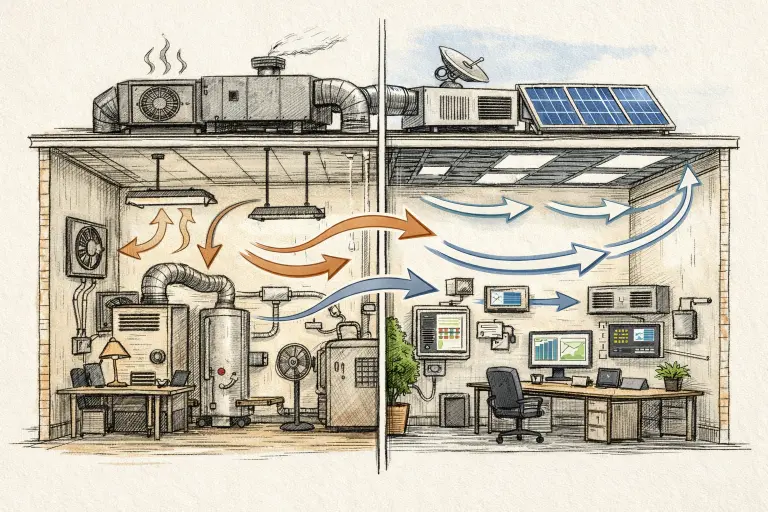
Advanced energy management systems (EMS) are central to monitoring and controlling building energy usage in real time. These platforms bring together sensors, automation controls, and analytics to provide a holistic perspective on how energy is consumed throughout a property. The U.S. Energy Information Administration reports that the average total amount of energy used per square foot in commercial buildings decreased by 12% from 2012 to 2018, indicating significant improvements in energy efficiency. Such substantial improvement is the direct result of widespread investment in sophisticated EMS technologies and better building management practices.
Modern EMS technologies now feature integration with building management systems (BMS), enabling operators to adjust lighting, HVAC scheduling, and equipment use across multiple sites. Through detailed reporting and benchmarking, inefficiencies are quickly identified, and corrective actions can be taken. Over time, this data-driven approach enables continuous improvement and even supports strategic investments in future upgrades.
Not only do these management systems increase efficiency, but they also enhance occupant comfort and safety. For example, improved HVAC control avoids temperature fluctuations and air quality issues, boosting workplace productivity and satisfaction. Additionally, EMS solutions are highly scalable and can be tailored to fit both small commercial properties and vast, multi-site organizations. Investing in these integrated solutions also supports compliance strategies, helping facilities meet evolving state and federal standards for energy use and greenhouse gas reduction.
Operational Improvements and Retrofitting
Operational improvements are often the first line of defense against energy waste and typically involve refining existing practices and schedules. For example, optimizing HVAC start and stop times, managing occupancy-based lighting, or calibrating controls regularly can lead to immediate energy and cost reductions. According to research by FirstFuel Software, such operational enhancements can double the energy efficiency gains achieved solely from technical interventions.
Retrofitting existing building systems is another high-impact approach. By upgrading to energy-efficient lighting, updating insulation, and replacing outdated mechanical equipment, operators can significantly lower utility costs. Programs like those highlighted by the Department of Energy offer guidance and incentives for retrofitting, making these improvements more accessible to building owners. The key is to combine quick-win operational changes with strategic upgrades for lasting energy efficiency.
Furthermore, retrofitting not only saves on utility bills but also improves building resilience and longevity. Newer equipment is generally less prone to failure, which means reduced downtime and maintenance costs. Many retrofits, such as window upgrades or high-efficiency boilers, provide added benefits like better soundproofing and occupant comfort. Facility managers should also consider incorporating renewable energy sources—such as rooftop solar or geothermal heating during retrofits for a significant boost in sustainability credentials.
Leveraging Data Analytics and Smart Technologies
The integration of data analytics and smart technologies has transformed how commercial buildings manage their energy consumption. Advanced metering, IoT sensors, and cloud-based analytics platforms enable facility managers to monitor usage patterns and detect anomalies before they lead to costly problems. The U.S. Department of Energy’s Smart Energy Analytics Campaign reported that energy management information systems can typically yield 10% to 20% energy savings per building.
These systems go beyond mere monitoring, offering predictive maintenance alerts and actionable insights that support both onsite teams and remote operators. Building owners can now make informed, timely decisions that lower operational costs and extend the life of capital equipment. Resources from organizations such as the NRDC demonstrate the value and scalability of these solutions for both single-site and portfolio-wide improvements.
Real-time data from these technologies also offers a unique opportunity for ongoing training and engagement among maintenance and operational staff. Giving teams access to dashboards and visualizations of building energy use can drive awareness and accountability across the workplace, supporting a culture of sustainability. Over time, smart systems can adapt to changing occupancy levels, production needs, or even seasonal variations, ensuring that buildings stay efficient without sacrificing performance or comfort.
Case Study: Brightline’s Energy-Efficient Lighting Solutions for FERC
A practical example of effective energy efficiency in action can be seen in the longstanding partnership between Brightline and the Federal Energy Regulatory Commission (FERC). For more than three decades, Brightline has delivered reliable, energy-efficient broadcast lighting to the Commission’s Washington, D.C. headquarters. This initiative did not just cut energy consumption; it also enhanced the quality of commission webcast broadcasts, demonstrating how targeted efficiency measures can serve dual operational and environmental goals. The Brightline-FERC collaboration highlights the importance of customized solutions and sustained partnerships in achieving measurable energy savings.
The success of this partnership demonstrates that energy-efficient solutions aren’t limited to back-of-house or utility systems. They can also be applied to specialized and mission-driven environments with unique requirements. Brightline’s ability to upgrade legacy lighting systems without interrupting daily operations sets a new standard for resilience and reliability. By working side-by-side with building stakeholders, the team was able to ensure all upgrades met technical, aesthetic, and sustainability targets. This collaborative approach serves as a model for other organizations aiming to implement similar energy-saving initiatives tailored to their own niche needs.
Conclusion
Optimizing energy efficiency in commercial buildings is best achieved through a multifaceted approach combining advanced management systems, operational upgrades, and smart technologies. These strategies not only drive down costs but also reduce environmental impact and position properties for future success. Building owners and operators who embrace continuous improvement and thoughtful investment in new technologies will realize significant rewards, from lower utility bills to stronger tenant demand and improved asset value.
As buildings account for a substantial portion of national energy consumption, the impact of greater efficiency ripples outward, leading not only to more profitable and resilient properties but also to healthier urban environments. Over time, these changes can help organizations meet the evolving expectations of tenants, regulators, and communities, ultimately supporting the broader shift towards a sustainable, low-carbon economy.
Also Read-Unlocking Growth: How Unsecured Business Loans Empower Your Business Expansion