
Some rooms describe themselves in adjectives: clean, modern, minimal. Others speak entirely in metaphor, and the great Mexican dining rooms belong to the second family. Clay the color of canyon walls. Tiles painted like garden beds. Light filtered through punched tin as if through stars. Nothing in the room is only itself.
Designers who study the tradition, and the thoughtful ones consult a full Mexican restaurant design guide before touching a single wall, learn quickly that the style is not a color palette. It is a set of figures of speech, built in material form, each one carrying meaning the way a good sentence does.
Clay Is Memory You Can Touch
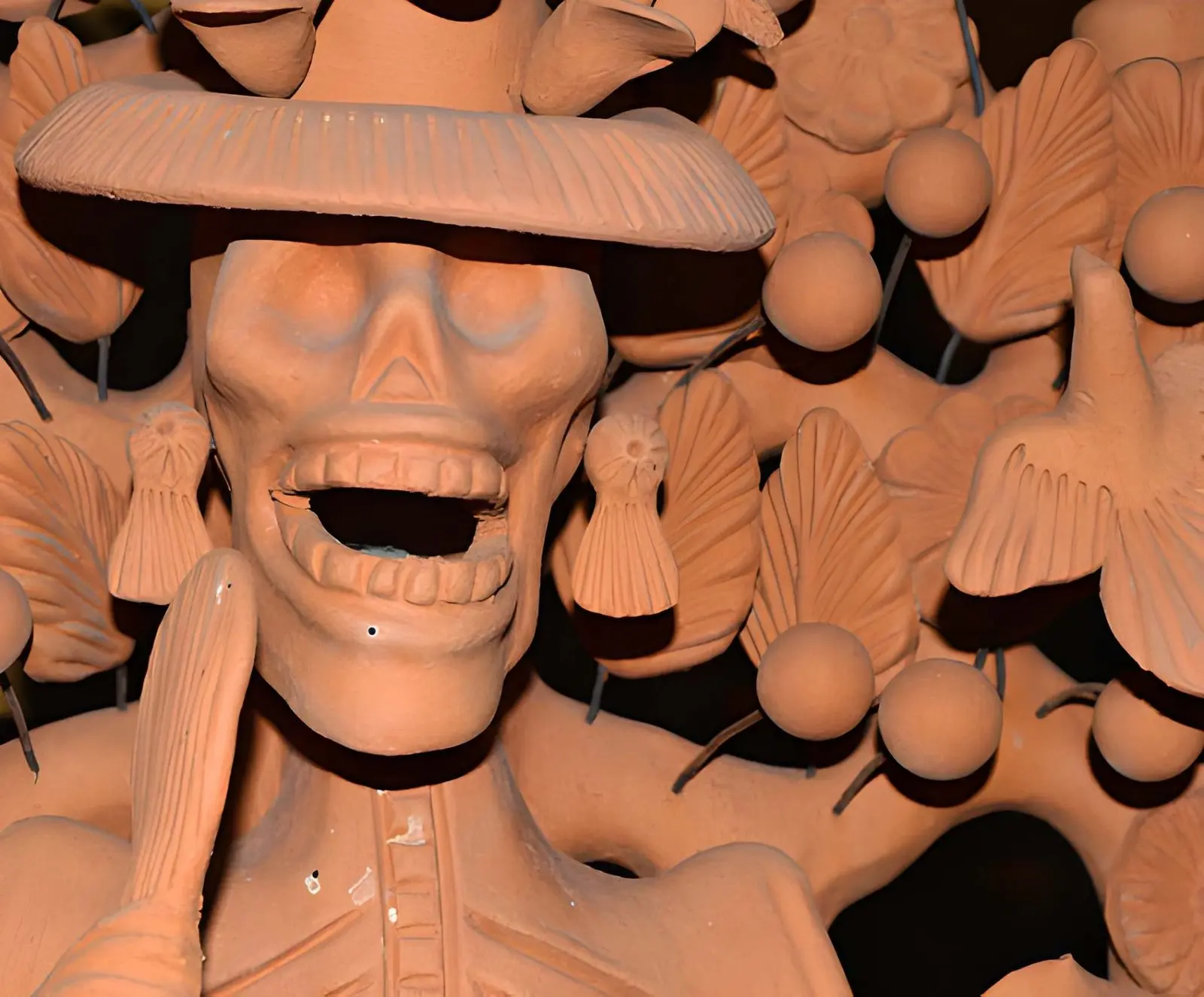
Begin with terracotta, the tradition’s load-bearing metaphor. Fired earth, literally: floor tiles, pots, and roof curves made of the same ground the cuisine grew from. A terracotta floor says what no menu copy can, that this food comes from somewhere, from soil and sun and hands.
The material keeps its own calendar, too, wearing traffic into soft paths the way a trail wears through grass, so the busiest routes through the room slowly write themselves into the floor. Guests read the figure without being told. Walk from a gray sidewalk onto warm clay tile and something in the body registers arrival, the way the first sentence of a novel establishes a world. The material is the story’s setting, underfoot.
Talavera: The Room’s Spoken Color
If terracotta is the room’s memory, the painted tile is its voice. The tradition of Talavera pottery, carried to Puebla by way of Spain and made gloriously local, turns walls and stair risers into fields of cobalt, marigold, and green.
As metaphor, Talavera works like exclamation, generosity made visible. A hand-painted tile is labor spent purely on delight, and a wall of them says: abundance lives here, nothing will be rationed tonight, least of all color. Rooms that swap it for beige subway tile lose the sentence entirely and wonder why the room reads quiet.
Light Through Punched Tin
The tradition’s lighting fixture of choice is a small poem: the punched-tin star, hammered full of holes so light escapes as constellation. Function says lamp. The metaphor says night sky, festival, candlelight multiplied.
Design works this way at its best, one thing understood as another. Downlighting from recessed cans illuminates a table; light through pierced tin blesses it. The wattage may match. The meaning never will.
The Heavy Table as a Promise
Watch what the furniture is saying, too. The traditional room seats its guests at substantial wood, thick tops, carved details, chairs with woven or leather seats that announce their handmade origins. The metaphor is permanence: this table has hosted generations and intends to host yours.
Commercial rooms translating the tradition keep the figure while upgrading the engineering, choosing heavyweight, commercial-grade pieces with the right silhouettes. The poetry stays; the wobble goes. A translation, like any good one, keeps the meaning and fixes the grammar.
The furniture figures worth preserving in any translation:
- Weight that reads as permanence the moment a hand touches the table.
- Woven and leather seat textures that say handmade, whatever the factory.
- Carved details used like italics, sparingly and for emphasis.
Papel Picado and the Art of Impermanence
The tradition has its counterargument hanging overhead: papel picado, lace-cut tissue banners draped across the room, purposefully flimsy, replaced season after season. Against all that clay and timber, the paper states the other real thing, that celebration is fleeting, so celebrate now.
The dialogue between the two, permanent below, transitory above, is the style’s deepest sentence. Every lasting dining room is the place of thousands of unrepeatable evenings, and the Mexican tradition is honest enough to build both facts into the ceiling and the floor.
Reading the Room as a Composition
Put the figures together and the room becomes a composed paragraph. Earth underfoot for origin. Painted abundance at eye level. Stars overhead. Heavy tables promising welcome, paper banners admitting time. Even the arch, that recurring doorway curve, works as a figure: passage, threshold, the moment before the meal begins.
This is why imitation rooms with a sombrero on the wall fall flat. They quote a noun without the sentence around it. The tradition was never about objects. It was about what the objects mean when they speak together.
Writing With Walls
Any lover of language knows the technique here: picking the concrete object that bears the abstract weight, arranging figures so that they reinforce each other, cutting what says nothing twice. The great Mexican dining rooms are essays in material form, refined over generations until every detail has earned its position.
The lesson goes well beyond one cuisine. Whatever room you’re building, in plaster or in prose, decide what it means before deciding how it appears. Terracotta remembered that first, and it has been telling the story, warm underfoot, ever since.