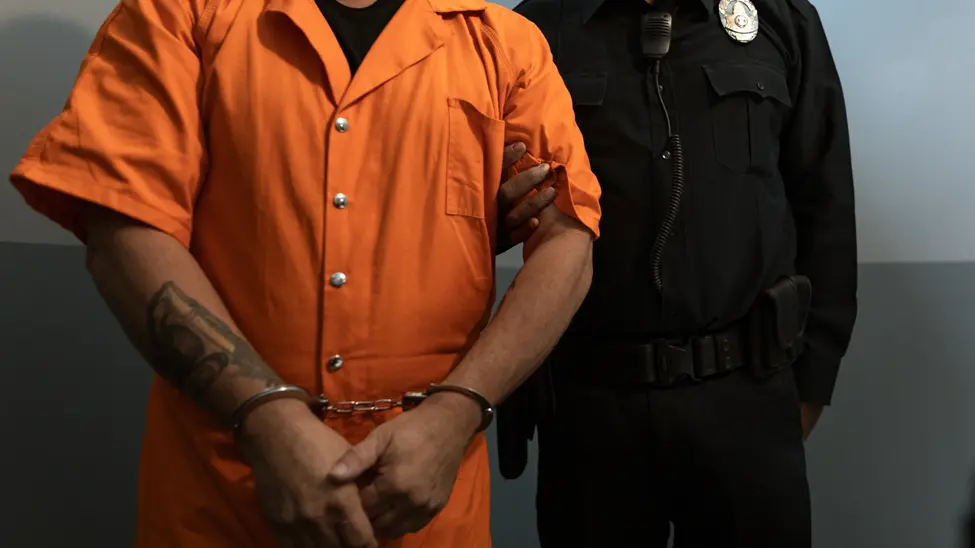
A criminal charge can make everything feel suddenly loud and uncertain. One minute you are trying to get through the day; the next, you are facing court dates, bond rules, paperwork, and questions you may not know how to answer. That is a lot to carry.
The good news? Understanding the criminal offense process can give you some breathing room. When you know what may happen next, you can make calmer choices, avoid preventable mistakes, and protect your future with more confidence.
The First Day: Immediate Actions and Your Rights
The first day after a charge often feels chaotic. Still, this is when your choices matter most. What you say, who you speak to, and how you handle early court instructions can shape the rest of the case.
Stay Calm and Use Your Right to Remain Silent
You should follow basic police instructions, but you do not have to explain your side on the spot. It is natural to want to “clear things up.” Resist that urge until you have legal advice.
Early legal help can make a real difference. “Pilot program participants were 28 percentage points more likely to secure pretrial release, and 36 percentage points more likely to see their cases dismissed, relative to comparable individuals who generally first meet with their public defender at arraignment.”
Get Wisconsin-Specific Help Quickly
Wisconsin criminal cases can look different from county to county. Local bond practices, prosecutors, judges, and court schedules all matter. A drunk driving case in Dane County, for instance, may not move the same way as a felony case in another county, even when the statutes are similar.
Once calls, notices, or court documents start coming in, speaking with a Wisconsin Criminal Defense Attorney early can help you understand deadlines, bond conditions, and what you should avoid saying while the case is pending.
The first day is not about solving everything. It is about staying steady, protecting your rights, and not making the situation harder.
How the Wisconsin Criminal Case Usually Moves
Now let’s step back and look at the general path. Every case has its own details, but most Wisconsin criminal matters follow a recognizable sequence from arrest or citation to court proceedings.
Arrest, Booking, Bail, and Paperwork
After an arrest, police may book you, take fingerprints, gather information, and prepare reports for the prosecutor. You may receive a citation, criminal complaint, bond paperwork, court date, or written release conditions.
Read everything carefully. If something is unclear, do not guess. Ask for guidance before making a move.
Misdemeanor vs. Felony Charges
Misdemeanors are usually less severe than felonies, but that does not make them harmless. Both can involve fines, probation, jail time, and records that follow you long after the case ends.
Felony charges in Wisconsin generally carry more serious penalties and a more formal court process. They can also create heavier consequences for work, housing, licensing, and family life.
Once you understand the broad timeline, the next concern is what actually happens at each major court step.
Key Court Steps After a Charge
The court process can feel intimidating, especially if you have never been through it before. Arraignment, discovery, motions, and pre-trial conferences are not just legal formalities. They help determine how strong the case is and what options may be available.
Arraignment and Plea Choices
At arraignment, the court confirms the charges, reviews bond, and asks for a plea. This is an important moment in the legal steps after criminal charge, because future deadlines and hearings often flow from this point.
You may hear terms that sound simple but carry serious meaning. Do not rush through them without understanding the consequences.
Discovery, Motions, and Plea Talks
Discovery is the exchange and review of evidence. This may include police reports, body camera footage, lab results, witness statements, photos, videos, and other materials.
Your defense may challenge evidence, question how statements were obtained, or ask the court to suppress certain information. In some cases, motions can change the direction of the case entirely.
| Stage | What Usually Happens | Why It Matters |
| Booking | Identification and records are created | Mistakes here can affect release |
| Bond hearing | Conditions are set | Violations can lead to jail |
| Arraignment | Plea is entered | Strategy starts taking shape |
| Discovery | Evidence is reviewed | Weaknesses may appear |
| Pre-trial | Motions or plea talks happen | Many cases shift here |
These stages may look routine on paper, but each one can affect penalties, negotiations, and your long-term options.
Real-World Consequences of Criminal Charges
A charge does not stay neatly inside the courthouse. It can spill into daily life fast. Work, family, housing, reputation, and finances may all feel the pressure.
Jobs, Housing, and Reputation
The criminal charges consequences may include missed work, uncomfortable conversations, damaged trust, and background check issues. Even before any conviction, the stress of an accusation can strain relationships and create practical problems.
That part is often overlooked. Court is one thing. Trying to keep life moving while the case is pending is another.
Penalties and Collateral Issues
Possible penalties include fines, probation, jail, prison, treatment requirements, or community service. Depending on the case, charges may also affect professional licenses, firearm rights, immigration status, or driving privileges.
Treatment-focused alternatives may also matter in certain cases. “Rates of overdose deaths during the 12-month follow-up were greatest in non-engaged (6/103, 5.8 percent) and non-Completer (2/60, 3.3 percent) groups; completers had the lowest rate (2/100, 2.0 percent).”
When you see the full picture, it becomes clear why timing, evidence, and strategy are so important.
Smart Actions to Protect Your Defense
You may not control the entire case, but you can control some important pieces right now. Small, disciplined choices can protect your defense more than you might expect.
Preserve Evidence and Write Things Down
Memories fade quickly. Write down names, dates, times, locations, messages, and anything officers or witnesses said. Save texts, call logs, photos, receipts, videos, emails, and anything else that may support your side of the story.
Do this sooner rather than later. A detail that feels minor today may matter later.
Watch Your Words Online and Offline
Do not post about the case. Do not message witnesses. Do not vent in group chats. And yes, even a “private” post can find its way into the wrong hands.
If you are wondering what to do when charged with a crime, start with this: say less, document more, and let your lawyer guide communication.
Strong defense work usually depends on coordination, evidence, and careful timing.
Common Mistakes That Hurt a Defense
Even a solid defense can be damaged by one careless decision. Most mistakes are not dramatic. They are ordinary things done under stress.
Talking Without Representation
Many people believe that if they are honest enough, the case will go away. Sometimes explanations help. Sometimes they give prosecutors statements to use later.
That is why getting advice first is usually the safer route.
Missing Deadlines or Ignoring Conditions
Court dates, bond rules, and no-contact orders are serious. Missing a hearing can lead to a warrant. Violating bond can make release much harder.
If you are unsure whether something is allowed, ask before doing it. Guessing can be expensive.
Avoiding mistakes matters, but so does understanding how criminal defense is changing.
What’s Changing in Criminal Defense
Criminal cases today often involve more technology, more data, and more alternative programs than people expect. That can create risks, but it can also create opportunities.
Digital Evidence Is Everywhere
Texts, phone location data, doorbell cameras, body cameras, surveillance footage, and social media posts can all become evidence. Sometimes that evidence hurts the defense. Sometimes it helps.
Either way, assume digital information may be reviewed.
Alternatives May Be Available
Depending on the charge, your history, and the county, options such as diversion, treatment court, deferred prosecution, or restorative justice may be available. These paths can sometimes reduce long-term harm and focus on treatment or accountability instead of only punishment.
Knowing these options exist can help you ask better questions early.
Common Questions After a Criminal Charge
Does being charged with a crime mean you’re guilty?
No. A charge means the government has formally accused you of an offense. A conviction is different. It means guilt was found through a plea or trial. A charge starts the case; it does not decide the outcome.
What is the legal process after receiving a criminal charge?
Most cases move through arrest or citation, initial appearance, arraignment, discovery, pre-trial hearings, plea discussions, and possibly trial. The exact path depends on the charge, county, evidence, and whether the case resolves through negotiation.
Can you travel while charges are pending?
Sometimes, but check your bond conditions first. You may need court permission before leaving Wisconsin or missing any required appearance. If travel is necessary, talk with your attorney before booking anything.
Your Path Forward Starts Now
A criminal charge is serious, but panic will not protect you. A clear plan will.
Learn the criminal offense process, protect your rights, save evidence, follow every court order, and get legal guidance early. The more you understand what happens after being charged with a crime, the more prepared you will be for each step ahead.
You do not have to figure it all out in one day. Start with the next right move. Then the next. That steady approach can make a real difference when the stakes feel heavy.
Also Read
- What Sets High-Performing Workers’ Compensation Law Firms Apart
- Beyond “Bad Luck”: Hamilton Birth Injury Lawyers Uncover the Truth