
Table Of Contents
- Why The Choice Matters
- How Each Option Works
- Where Clear Aligners Fit Best
- Where Traditional Braces Fit Best
- Comparing Daily Life And Comfort
- Cost And Treatment Time
- Questions To Ask Before Treatment
- A Simple Decision Checklist
- The Final Choice
Choosing between clear aligners and braces is about more than the look of your smile. Both treatments can move teeth and improve how the upper and lower teeth fit together, but they require different routines and may be better suited to different orthodontic needs. Anyone considering an Invisalign appointment in Virginia Beach should begin with a personalized examination rather than relying only on before-and-after photos or online comparison tools.
The best choice depends on your bite, the positions of individual teeth, your daily habits, treatment goals, and budget. Clear aligners may be a convenient option for some patients, while fixed braces can offer practical advantages for others. A thoughtful consultation helps identify the appliance that can deliver a healthy, stable result.
1. Why The Choice Matters
Orthodontic treatment is often associated with straighter teeth, but appearance is only one part of the decision. Treatment may also address spacing, crowding, uneven tooth wear, difficulty chewing, or a bite that places excess strain on certain teeth. Because tooth movement can affect the bite and surrounding oral structures, diagnosis should come before choosing an appliance.
A full exam may include digital scans, X-rays, photographs, and an evaluation of jaw relationships and gum health. The importance of professional monitoring during orthodontic treatment is especially relevant because even well-planned cases can need adjustments along the way. The right tool is the one that matches the actual clinical needs of the patient.
2. How Each Option Works
Clear Aligners
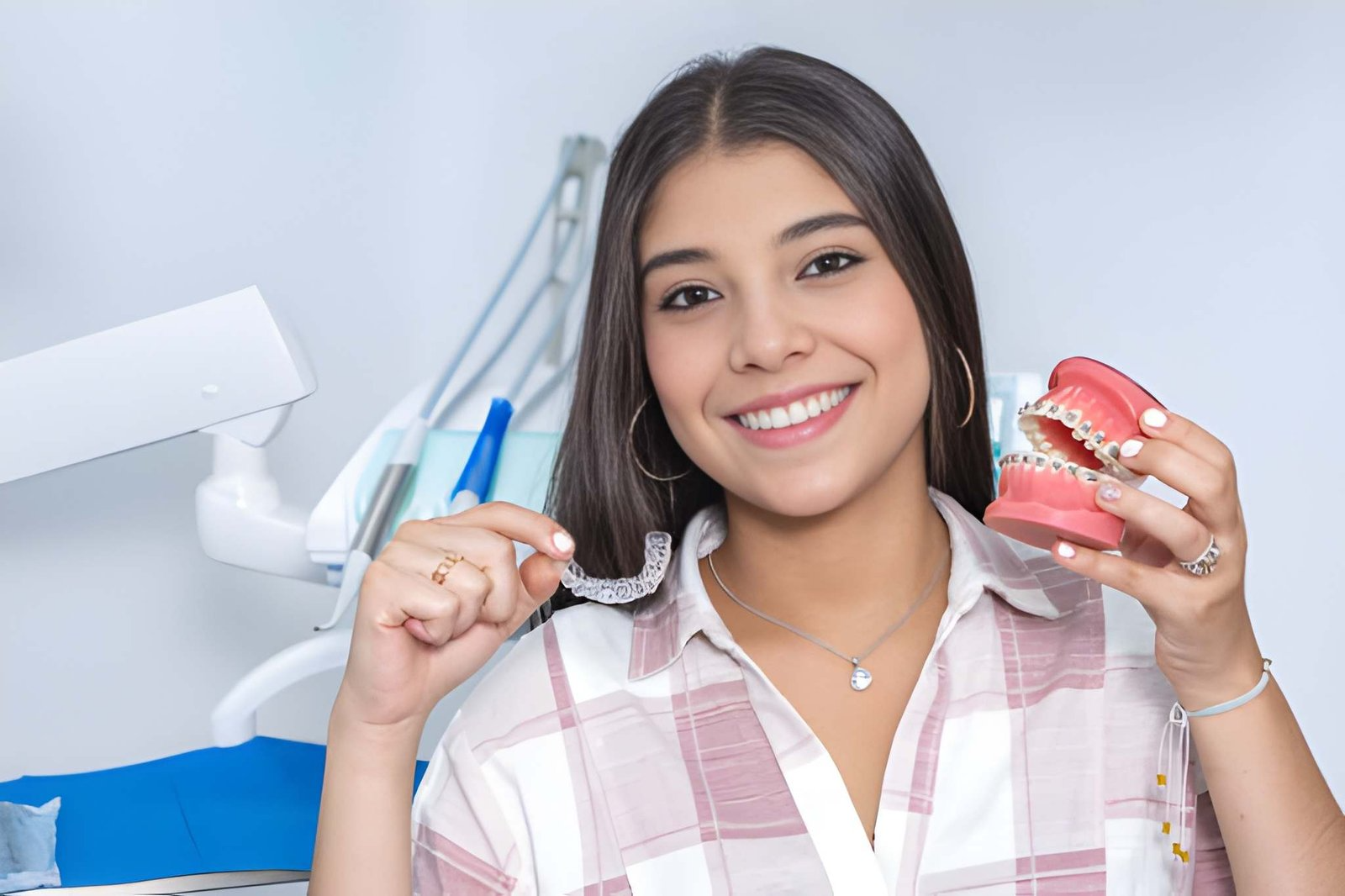
Clear aligners are custom-made plastic trays designed to guide teeth through a planned series of small movements. Patients typically switch to a new set on a schedule provided by their orthodontic team. The trays are removable for meals, brushing, and flossing, which is a major lifestyle advantage for many people.
That flexibility also creates responsibility. Aligners must be worn each day consistently to work as intended. Leaving them out for long periods, losing trays, or not changing them as instructed can slow progress and may require additional visits or replacement trays.
Traditional Braces
Traditional braces use brackets attached to the teeth and wires that are adjusted over time. Because braces are fixed in place, they continue applying controlled force without relying on the patient to remember daily wear time. Metal braces remain common, while ceramic and other fixed-brace designs may be available depending on the treatment plan.
3. Where Clear Aligners Fit Best
Clear aligners can be effective for many mild to moderate spacing and crowding concerns, as well as selected bite issues. They may appeal to adults and teens who prefer a less noticeable appliance or who want to remove their trays for work presentations, sports, meals, and normal oral hygiene.
Patients should remove aligners before eating and before drinking anything other than water. Keeping trays in while consuming coffee, soda, tea, or food can stain them, trap residue, and raise the risk of hygiene problems. Since the trays come out, brushing and flossing can feel much more familiar than cleaning around fixed brackets.
Still, aligners are not automatically the best answer for every movement. Certain rotations, major vertical changes, complicated bite corrections, or cases involving extractions may need additional tools or may be more predictable with braces. Findings from a recent systematic review comparing aligners and fixed appliances reinforce that outcomes involving comfort, gum health, and quality of life can vary by the individual case and treatment design.
4. Where Traditional Braces Fit Best
Braces may provide useful control when treatment involves significant crowding, difficult tooth rotations, substantial bite correction, or complex changes to how teeth meet. They can also be a practical choice for patients who are likely to struggle with wearing removable trays consistently.
Braces are not an outdated fallback option. Modern brackets are often smaller than older designs, and orthodontic teams can provide wax, guidance, and adjustments to help patients manage early irritation. In some cases, a fixed appliance offers the most direct route to the intended result.
5. Comparing Daily Life And Comfort
Eating And Drinking
Aligners generally come out for meals, so there are fewer food restrictions. Braces stay in place, which means patients usually need to avoid hard, sticky, and very chewy foods that can damage brackets or bend wires. In either case, following food guidelines can help prevent treatment delays.
Cleaning
Aligner users can brush and floss normally after removing their trays, but they also need to clean the trays regularly. Braces require extra care around brackets and wires. Interdental brushes, floss threaders, fluoride toothpaste, and regular dental cleanings can make daily hygiene more manageable.
Comfort
Both options can cause temporary pressure when teeth begin moving. New aligner trays may feel tight for a day or two, while braces can create tenderness after placement or adjustments. Brackets and wires may initially rub against the cheeks or lips. Sharp, severe, or persistent pain should be reported to the orthodontic office.
6. Cost And Treatment Time
There is no single guaranteed price or timeline for braces or aligners in 2026. Fees can vary based on location, case complexity, treatment length, diagnostic records, insurance benefits, retainers, and the number of visits included. Ask for a written estimate that clearly explains the total fee, payment options, included retainers, possible replacement costs, and charges for additional treatment.
Fast treatment is not always better treatment. A stable bite may require careful, gradual movement. Missed appointments, broken brackets, lost trays, and inconsistent aligner wear can all extend the expected timeline.
7. Questions To Ask Before Treatment
- What alignment or bite concerns need correction?
- Which options are clinically suitable for my case?
- How long might each option take?
- Will I need attachments, elastics, expanders, or other appliances?
- How many office visits should I expect?
- What happens if trays do not track or a bracket breaks?
- Are retainers included in the quoted fee?
- What insurance benefits or payment arrangements may apply?
8. A Simple Decision Checklist
- Consider aligners if: You value a discreet, removable appliance and can follow a dependable daily wear schedule.
- Consider braces if: Your treatment requires complex movements, significant bite correction, or a fixed approach.
- For teens and children: Consider maturity, school routines, sports, lost-item risk, and caregiver support.
- For adults: Consider work, travel, meals, public speaking, photos, and long-term goals.
- For everyone: Choose based on an examination and treatment plan, not appearance alone.
9. The Final Choice
Clear aligners and braces are both valuable orthodontic tools. Neither is universally better, because the ideal choice depends on the patient’s bite, tooth movement needs, routine, and ability to follow instructions. A detailed consultation can replace uncertainty with a practical treatment plan that supports both a confident smile and long-term function.
Choosing the Right Fence for Your Austin Property: A Comprehensive Guide – metaphorhaven.com
Enhancing Workplace Productivity Through Cleanliness – metaphorhaven.com