
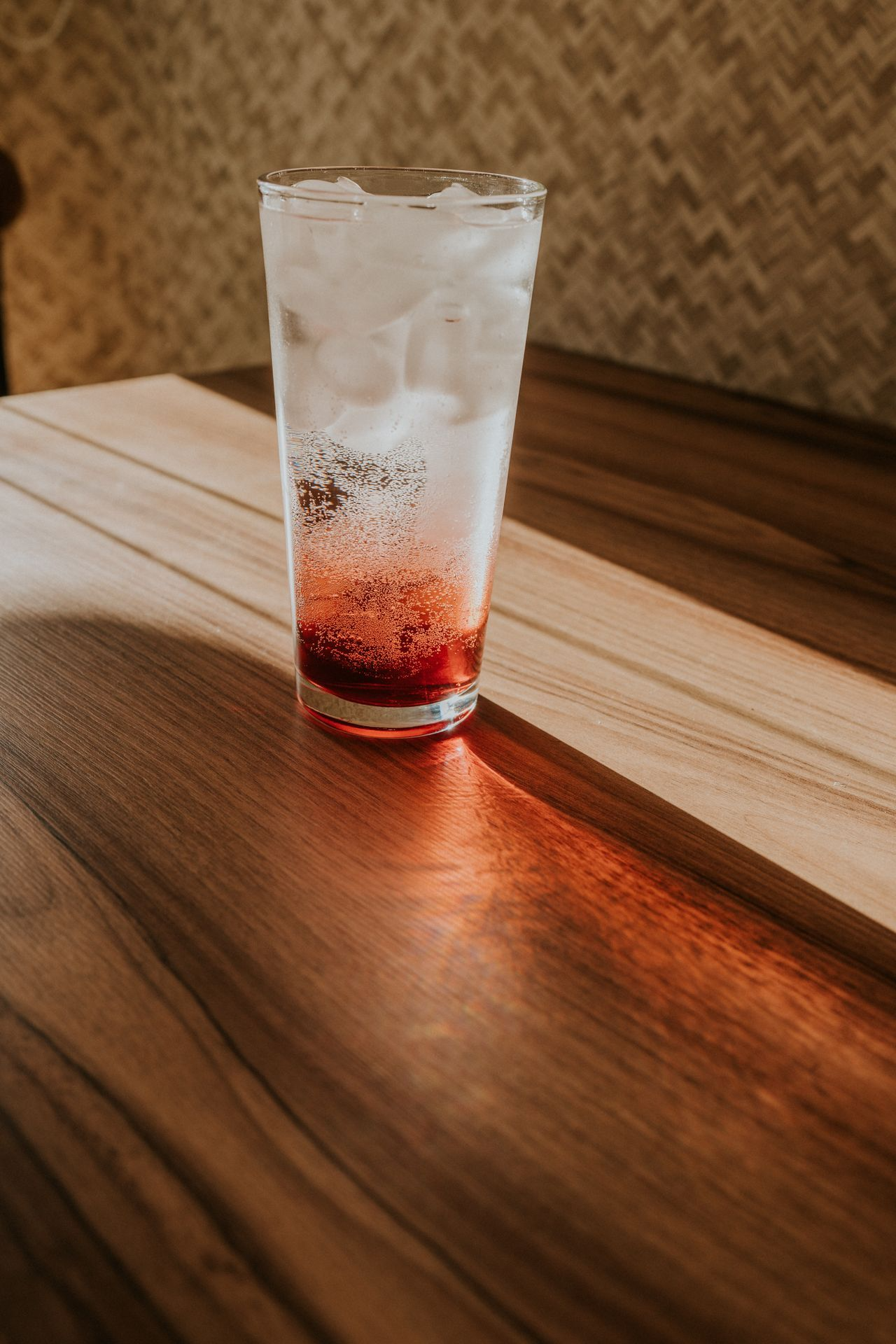
Ice is something many homeowners use every day without giving it much thought. Whether it’s added to water, soft drinks, iced coffee, or other beverages, the quality of your ice is directly connected to the quality of the water used to make it. If the water contains contaminants, unpleasant tastes, odors, or excess minerals, those issues can affect the ice as well. Maintaining clean, healthy ice requires attention to both water quality and ice-making equipment. By taking a few proactive steps, homeowners can ensure that the ice they serve is fresh, clean, and safe for their families.
Start With High-Quality Water
The quality of ice can never exceed the quality of the water used to create it. If your home’s water contains contaminants, sediment, or strong odors, those issues may become even more noticeable once frozen. Homeowners should pay attention to the taste and smell of their drinking water and address any concerns through appropriate filtration or treatment systems. Clean water forms the foundation for healthy ice production.
Keep Ice Makers Clean
Ice makers can accumulate mineral deposits, bacteria, mold, and other contaminants over time if they are not cleaned regularly. Following the manufacturer’s cleaning recommendations helps maintain proper sanitation. Routine cleaning prevents buildup that could affect both the taste and safety of the ice. A clean machine is essential for producing high-quality ice consistently.
Replace Water Filters Regularly
Many refrigerators and standalone ice makers use filtration systems to improve water quality before ice is produced. However, filters lose effectiveness over time and eventually require replacement. Ignoring filter changes may allow contaminants or unwanted particles to enter the water supply. Homeowners should follow recommended replacement schedules to maintain optimal performance and water quality.
Store Ice Properly
Improper storage can negatively affect ice quality. Ice easily absorbs odors from nearby foods and materials in the freezer. Containers used to store ice should be clean and sealed whenever possible. Keeping the freezer clean and organized can also help protect ice from contamination. Proper storage supports both freshness and flavor.
Address Hard Water Issues
Hard water contains elevated levels of minerals such as calcium and magnesium. These minerals can create cloudy ice cubes and contribute to scale buildup within ice-making equipment. Managing hard water through appropriate treatment systems may improve both water quality and ice clarity. Addressing mineral content can also help extend the life of appliances that produce ice.
Consider Advanced Water Dispensing Solutions
Some homeowners choose specialized water systems that provide filtered drinking water for both consumption and ice production. A WaterLogic water dispenser may help deliver cleaner water by incorporating filtration technologies designed to improve taste and quality. When paired with proper maintenance, these systems can contribute to healthier ice and better-tasting beverages throughout the home.
Pay Attention To Ice Appearance
The appearance of ice can provide clues about water quality. Clear ice is often a sign of relatively clean water, while cloudy ice may indicate the presence of excess minerals or trapped air. Although cloudy ice is not always unsafe, noticeable changes in ice appearance may warrant further investigation. Monitoring ice quality can help homeowners identify potential problems early.
Sanitize Equipment Periodically
Even when an ice maker appears clean, bacteria and other microorganisms can develop in hidden components. Periodic sanitization helps maintain a safe environment for ice production. Following manufacturer guidelines and using approved cleaning products helps ensure the equipment remains sanitary without causing damage.
Monitor Odors And Taste
If ice begins to develop unusual tastes or odors, homeowners should not ignore the problem. These changes can indicate issues with water quality, filtration systems, storage practices, or the ice maker itself. Addressing concerns quickly helps prevent ongoing problems and ensures that beverages remain enjoyable. Taste and odor changes are often among the earliest warning signs of a developing issue.
Maintain Your Entire Water System
Healthy ice starts with a healthy water system. Regular plumbing inspections, filter replacements, and water treatment maintenance all contribute to better water quality throughout the home. Consistent maintenance helps ensure that drinking water and ice remain clean, safe, and reliable for everyday use.
Conclusion
Producing healthy ice for beverages requires attention to water quality, filtration, equipment maintenance, and proper storage practices. By keeping ice-making systems clean, replacing filters regularly, addressing hard water concerns, and monitoring overall water quality, homeowners can enjoy cleaner, fresher ice every day. Small maintenance efforts can make a significant difference in the quality of the beverages your family enjoys.