
Key Takeaways
- Choose a fence material based on its primary purpose, not appearance alone.
- Wood, vinyl, aluminum, steel, and chain link each offer different benefits.
- Slopes, drainage, sunlight, wind, and landscaping can affect fence design.
- Long-term maintenance matters just as much as the initial installation cost.
- Property lines, easements, utility locations, and neighborhood rules should be reviewed before digging.
- Using more than one fence material can balance privacy, visibility, and curb appeal.
Choosing a fence in Frederick County, Virginia involves more than picking a color or matching a neighbor’s yard. From open rural properties to established neighborhoods near Winchester, the right material should fit the property’s purpose, terrain, weather exposure, budget, and maintenance expectations. Local fence builders in Frederick County, VA can help property owners translate those priorities into a practical layout. Still, the material decision should start with a clear understanding of how the fence will be used. A solid backyard privacy fence has different needs than a pool barrier, a pet enclosure, or a decorative front-yard boundary. Thinking through the fence’s job before comparing products makes it easier to choose a material that will continue to work well as the property and household needs change.
Start With the Purpose of the Fence
The best fence is the one that solves the right problem. Privacy often calls for a solid-panel design, while pet containment depends on fence height, gap size, gate security, and whether an animal is likely to dig. A corner-lot owner may also need to preserve clear sight lines near a driveway or street intersection. Common fencing goals include privacy from nearby homes or roads, security for equipment and outdoor areas, child and pet containment, pool access control, wind screening, and defining a property line. Write down the top one or two goals before comparing materials. That simple step prevents a decorative choice from becoming a functional compromise.
Review Property Conditions
Frederick County properties can vary widely in grade, drainage, tree cover, and exposure. Walk the proposed fence line and look for slopes, low spots that hold water, large roots, rock, existing landscaping, and places where gates will need room to swing. A fence can be stepped along a slope or built to follow the grade, but each approach changes the finished appearance and the gaps below panels. Wind and sunlight matter, too. Solid panels catch more wind than open pickets or metal rails, while wood exposed to repeated moisture needs attentive maintenance. Planning post placement, drainage, and access before materials arrive helps avoid unnecessary changes during installation.
Compare Common Fence Materials
Wood Fencing
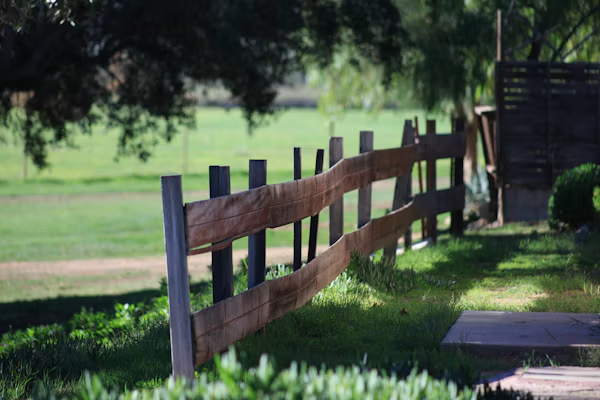
Wood is a flexible option for traditional privacy fences, picket styles, and custom designs. It can be painted or stained to complement a home, and damaged boards can often be replaced individually. In return, wood requires periodic inspection and may need sealing, staining, painting, or repairs as it ages.
Vinyl Fencing
Vinyl works well for homeowners who want a clean, uniform privacy or decorative fence without the need for routine painting or staining. It is generally cleaned with mild soap and water. However, it offers fewer finish changes than wood, and a hard impact can damage a panel or rail.
Aluminum, Steel, and Wrought-Iron-Style Fencing
Aluminum fencing provides an open appearance that works especially well around front yards, gardens, and pools where visibility matters. Steel and wrought-iron-style systems can offer a more substantial security-focused look. Open metal fences do not provide much privacy on their own, but they can define an edge without making a yard feel closed in.
Chain Link Fencing
Chain link is a practical choice for larger areas, pet runs, and straightforward boundary definition. It is available in common galvanized and coated finishes, and privacy slats or screening can be added when needed. Its open mesh is functional, though it may not suit every home’s desired appearance.
Think About Maintenance and Cost
Installation price is only one part of a fence budget. The total can also include gates, hardware, post depth, concrete, old-fence removal, difficult access, grading, and cleanup. Compare estimates carefully so each proposal identifies the material grade, fence height, gate construction, included hardware, and warranty terms. Maintenance should be measured in both time and money. Inspect fences periodically for leaning posts, loose fasteners, damaged boards or panels, rust, rot, and gate alignment. Keep mulch and soil from resting against wood, trim vegetation that presses on the fence, and clean dirt or algae before buildup becomes difficult to remove.
Check Property Lines and Local Requirements
Confirm the boundary before setting posts. Frederick County advises homeowners to obtain their recorded plat, identify recorded easements, and consider maintenance access when installing a privacy fence along a property line. The County also notes that fences near roads may require review if they create a visibility hazard, while private covenants can impose additional restrictions. Review the County’s zoning code provisions on yard setbacks before finalizing the layout. Underground utilities are another essential early check. Before digging post holes, submit a locate request and wait for the required response. Virginia 811 instructs homeowners to request markings at least three working days before excavation and not to begin digging until they receive a positive response through its utility-locate process.
Match the Fence to the Property
A fence should look intentional from both the inside and the outside of the yard. Consider height, board direction, open versus solid sections, gate location, latch access, and transitions between front, side, and backyard fencing. One property can use multiple materials effectively, such as an open aluminum front fence for visibility and a solid wood or vinyl backyard fence for privacy.
Common Questions About Fence Materials
Which material provides the most privacy?
Solid wood and vinyl privacy panels are common choices. Privacy also depends on fence height, board spacing, gate design, and whether neighboring terrain creates sight lines above the fence.
Which material needs the least maintenance?
Vinyl and aluminum usually require less routine finishing work than wood. Even low-maintenance fences still need cleaning, hardware checks, and occasional repairs.
What is a practical fence for pets?
Focus first on the pet’s size, jumping ability, digging habits, and behavior around gates. The safest choice is one with appropriate height, secure latches, and openings too narrow for the pet to pass through.
Conclusion
Choosing the right fence material for a Frederick County property involves balancing functionality, site conditions, appearance, maintenance needs, and local requirements. Each material offers different benefits, so homeowners should consider factors such as durability, weather resistance, privacy, security, and how well the fence complements the property’s overall design. It is also important to assess the terrain, soil conditions, property boundaries, and any applicable zoning or neighborhood restrictions before making a decision. By clearly identifying the fence’s purpose, evaluating the property, and comparing long-term value rather than focusing solely on the initial installation cost, homeowners can select an option that suits their needs and budget. Taking time to plan can help prevent unnecessary expenses, reduce future maintenance concerns, and ensure the fence remains practical and attractive for years to come.
https://metaphorhaven.com/the-importance-of-professional-property-management-in-luxury-hospitality/