
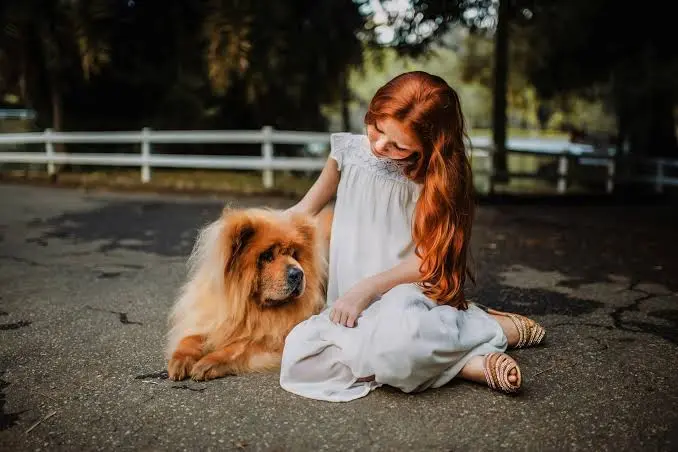
What if the best way to teach your child responsibility, empathy, and kindness was already sitting in your living room? Many parents discover that involving young children in pet care creates memorable bonding experiences while helping kids develop important life skills. When children interact with pets in structured, supervised ways, everyone in the household benefits from the relationship. Building these connections requires simple, age-appropriate activities that keep both kids and animals happy and healthy.
1. Create a Daily Feeding Routine Together
Establishing a consistent feeding schedule is one of the most practical ways young children can participate in pet care. A child as young as five or six can help scoop dry food into a bowl under adult supervision, learning that animals depend on them each day. This simple responsibility teaches cause and effect: when they forget to help feed the pet, the animal gets hungry. The routine also reinforces time management because feeding happens at the same times every single day.
Parents can make this activity engaging by letting children choose which type of treat to offer on special occasions or by allowing them to rinse the water bowl before refilling it. For fish owners, kids can learn proper portions by counting the food they sprinkle into the tank, turning feeding time into a mini math lesson. Kids who want to go a step further during a pet’s birthday celebration can get involved in picking out a special dog birthday cake, turning the occasion into a memorable activity that connects feeding time with genuine affection and fun. The consistency of a feeding routine also helps pets feel secure and creates a predictable moment of connection between child and animal.
2. Develop a Grooming and Bathing Activity
Grooming sessions offer hands-on opportunities for kids to learn about pet hygiene while spending quality time together. Children can help brush their dog or cat under supervision, which feels like pampering to the animal and gives kids a sense of accomplishment. For younger children, simply holding the brush or picking out matted fur with an adult’s guidance makes them feel like they’re contributing meaningfully. Bathing a pet becomes an adventure when kids help pour water, apply shampoo, and rinse fur clean.
Introducing grooming early teaches children that animals need regular care and maintenance, just like humans do. Kids learn to read their pet’s body language during grooming sessions, noticing when an animal is uncomfortable or needs a break. This sensitivity helps develop empathy and respect for boundaries. Parents can explain that certain areas are more sensitive than others, why pets sometimes shake during baths, or what different coat types require. Grooming time also reveals when something might be wrong with the pet, such as skin issues or parasites, giving kids insight into basic health monitoring.
3. Plan Interactive Playtime and Exercise Sessions
Young children have abundant energy, and pets often match that enthusiasm perfectly. Kids can take responsibility for throwing fetch toys in the backyard, setting up obstacle courses for dogs to run through, or designing laser pointer games for cats to chase. These activities satisfy a pet’s need for physical stimulation while giving children an outlet for their own energy. The play sessions teach kids that pets aren’t just background members of the household but active beings with their own needs and preferences.
Parents can encourage children to observe which toys their pets prefer and which games keep the animal engaged longest. Some dogs love squeaky toys while others prefer balls, and some cats tire quickly while others play for extended periods. Through experimentation and observation, kids learn about individual personalities and preferences. Interactive playtime also provides excellent opportunities to teach children about gentle handling and recognizing when a pet needs rest. A child who plays too roughly can learn to adjust their approach when a parent calmly explains that the pet is getting tired or overwhelmed, and that lesson in reading animal behavior carries over into everyday empathy.
4. Help with Pet-Related Cleanup Tasks
While cleanup might not sound exciting, assigning children age-appropriate cleaning responsibilities demonstrates that pet ownership involves work as well as fun. Kids can help scoop litter boxes, pick up toys scattered around the yard, or wipe muddy paws with a designated towel by the door. These tasks create accountability and show that caring for an animal means maintaining their living spaces. A seven-year-old can certainly help empty a water bowl before refilling it with fresh water daily.
These seemingly simple chores teach children that pets create extra work but that the responsibility is worthwhile. When a child helps clean up after an accident in the house, they understand it’s part of owning an animal without shame or anger involved. Parents can frame cleanup time positively by explaining that a clean environment keeps the pet healthy and happy. Some children enjoy the routine of these tasks once they understand the purpose. Making cleanup collaborative rather than punitive helps kids associate pet care with love and commitment rather than burden.
5. Involve Kids in Training and Behavior Activities
Teaching a pet basic commands or tricks is an engaging activity that gives children a sense of control and accomplishment. Kids can work with their dog on commands like sit, stay, or come using treats as rewards, learning patience and consistency in the process. Cats can be trained to use specific scratching posts or respond to clickers, showing kids that all animals can learn with the right approach. Children feel proud when they personally teach their pet something new, and the pet often creates stronger associations with that specific child.
Training sessions reveal a lot about animal behavior and psychology to young learners. Kids discover that positive reinforcement works better than punishment, that animals respond better to calm voices, and that repetition matters. These lessons extend beyond pet training into other areas of life, including how children interact with siblings and peers. Training activities also provide structured bonding time that builds genuine connections between kids and their pets. Even a young child can learn to deliver treats at the right moment or recognize when a pet is succeeding at a task. The entire family benefits when children become active participants in their pet’s development and behavior.
Conclusion
Young children can participate in meaningful pet care activities that benefit everyone in the family. From establishing feeding routines to planning interactive play sessions, kids develop responsibility, empathy, and respect for animals through hands-on involvement. These activities don’t require expensive materials or complicated processes, just consistent supervision and encouragement from parents. When children contribute to their pet’s wellbeing, they build confidence and learn that their actions directly impact another living being’s happiness and health. The bond formed between a child and a pet during these formative years often becomes a cherished memory that lasts into adulthood.
Also Read
- https://metaphorhaven.com/soft2bets-expertise-how-the-company-forms-its-knowledge-and-industry-expertise/
https://metaphorhaven.com/best-practices-for-safety-and-efficiency-in-commercial-drilling-operations/
https://metaphorhaven.com/mastering-the-sandy-springs-real-estate-market-a-comprehensive-guide-for-homebuyers/