Wisdom teeth sit at the back of the mouth and often arrive in the late teen years or early adult life. For some people, these teeth settle in with no trouble. For many others, they bring pain, swelling, or crowding that affects daily life. This article explains what wisdom teeth are, why removal is common, and what people often experience before and after the procedure.
The goal is simple: give clear facts in plain language. You will read about anatomy, warning signs, treatment steps, and recovery tips. Stories, expert views, and practical examples appear along the way to make the topic easier to grasp.
What Are Wisdom Teeth?
Wisdom teeth are the third set of molars. Most adults can have up to four of them, one in each corner of the mouth. Long ago, these teeth helped people chew tough foods. Changes in diet and jaw size mean many mouths lack the space for them today.
Dentists use the term third molars for wisdom teeth. They often erupt between ages 17 and 25. Some never appear at all, while others only partly break through the gums.
Eruption and Impaction
A tooth that breaks through the gum fully is called erupted. A tooth blocked by bone or gum tissue is impacted. Impacted teeth can grow at angles, press against nearby teeth, or stay hidden.
Common types of impaction include:
- Vertical: tooth points upward yet stays trapped
- Horizontal: tooth lies on its side
- Mesial: tooth tilts forward
- Distal: tooth tilts backward
Why Removal Is So Common
Many people ask why dentists suggest removal even without pain. The answer links to risk. Impacted or partly erupted teeth can trap food and bacteria. That raises the chance of infection and decay.
A study in the Journal of Oral and Maxillofacial Surgery reported higher rates of gum disease near impacted third molars. Early removal often prevents future problems that need more complex care.
Dentists also look at crowding. Wisdom teeth can push against second molars, leading to shifting and bite changes.
Signs That Removal Might Help
Some warning signs appear early. Others show up slowly over time. Paying attention helps avoid emergencies.
Common Symptoms
- Jaw pain near the back teeth
- Swollen or bleeding gums
- Bad breath that does not fade
- Trouble opening the mouth fully
- Headaches linked to jaw tension
Pain can come and go. Swelling may flare after meals. Even mild signs deserve a dental check.
How Dentists Evaluate Wisdom Teeth
Evaluation starts with a dental exam and imaging. X-rays show the tooth position, root shape, and closeness to nerves. This guides the treatment plan.
Imaging Tools
| Tool | What It Shows | Why It Matters |
|---|---|---|
| Panoramic X-ray | Full jaw view | Detects impaction |
| Bitewing X-ray | Tooth crowns | Checks decay |
| 3D scan | Bone and nerve detail | Aids surgical planning |
Dentists explain findings using these images. Questions are welcome at this stage.
The Removal Process Explained
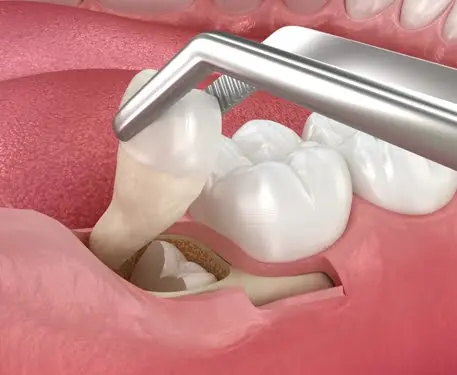
Removal ranges from simple to surgical. A fully erupted tooth often needs a basic extraction. Impacted teeth usually need minor surgery.
Local anesthesia numbs the area. Some patients receive sedation to relax. The dentist or oral surgeon creates space, removes the tooth, and cleans the site.
The visit length varies. Simple cases may take 20 minutes. Complex cases can last longer.
A Short Case Story
Alex, age 22, felt jaw pressure on one side. An exam showed a horizontal impaction. The tooth pressed against the second molar. After removal, the pressure faded within days. Follow-up visits showed healthy healing and no damage to nearby teeth.
Stories like this show why early checks matter. Waiting often leads to more discomfort and longer recovery.
Recovery and Healing
Healing starts right after the procedure. Blood clots form in the sockets and protect the bone. Following care steps supports this process.
First Week Tips
- Rest with the head elevated
- Use ice packs in short intervals
- Eat soft foods like yogurt or soup
- Avoid straws that disturb clots
Most swelling peaks within two days and fades after that. Stitches, when used, often dissolve on their own.
Possible Risks and How They Are Managed
Every procedure carries some risk. Dentists discuss these openly.
Common risks include swelling, stiffness, and short-term pain. Less common issues involve infection or dry socket, a condition where the clot dislodges.
Clear instructions lower risk rates. According to the American Association of Oral and Maxillofacial Surgeons, proper aftercare reduces dry socket cases greatly.
Expert Views on Timing
Dr. Karen Mitchell, an oral surgeon with decades of practice, notes a trend. “Younger patients often heal faster and face fewer complications,” she explains. Bone density and root growth increase with age, which can add difficulty later.
This view aligns with many dental guidelines. Early evaluation allows flexible planning.
Costs and Planning Ahead
Costs vary by tooth position, complexity, and anesthesia type. Insurance plans often cover part of the procedure when medically indicated.
Factors That Affect Cost
- Number of teeth removed
- Level of impaction
- Sedation choice
- Imaging needs
Discussing estimates ahead of time avoids surprises.
Learning More About Care Options
General information helps people ask better questions. Reading reliable sources and speaking with dental professionals builds confidence. Some readers search online for educational material related to wisdom teeth removal Las Vegas to understand common approaches and patient experiences.
Knowledge supports calm decision-making and realistic expectations.
Life After Wisdom Teeth
Many people notice small changes after healing. Jaw comfort improves. Gum health becomes easier to maintain. Crowding risk often drops.
Good oral hygiene remains essential. Brushing, flossing, and regular checkups protect the remaining teeth.
Key Takeaways and Next Steps
Wisdom teeth can stay quiet or cause ongoing trouble. Understanding anatomy, risks, and treatment steps prepares anyone facing this choice. Early exams, clear communication, and careful aftercare shape positive outcomes.
If questions remain, schedule a dental evaluation and review imaging together. Learning continues with trusted books, dental associations, and professional guidance.
Also Read
- How Smart Technology Is Changing Luxury Home Living
- Dehumidifiers and Respiratory Health: What Research Shows
- Metaphors for Colors: 37+ Creative Examples to Add Life to Your Writing