
Public safety agencies face mounting pressure to protect communities while working with limited budgets and increasingly complex challenges. Technology has emerged as a critical tool for law enforcement, emergency response, and community security, enabling faster response times and more effective resource deployment. Over the past decade, innovations in data analytics, communication systems, and surveillance tools have transformed how agencies operate and interact with the public. These advances span from artificial intelligence and predictive policing to body cameras and real-time crime centers, each addressing specific gaps in traditional approaches. Understanding these technological developments helps explain how modern public safety systems function and why agencies continue to adopt new tools.
Real-Time Crime Centers and Data Integration
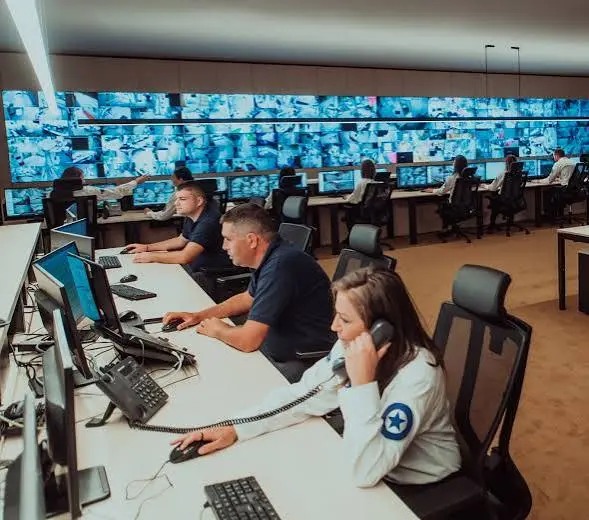
Real-time crime centers represent a significant shift in how agencies process and respond to criminal activity. These facilities combine data from multiple sources, including 911 calls, police reports, surveillance footage, and license plate readers, into a unified platform accessible to officers in the field. Dispatchers and analysts can identify patterns and respond to emerging situations within minutes rather than hours or days. If multiple robberies occur in the same neighborhood using similar methods, analysts can flag the pattern and alert nearby units to increase patrols or watch for specific vehicles. This integration reduces response times and helps agencies allocate resources more strategically, concentrating personnel where need is greatest.
The infrastructure supporting these centers has become more sophisticated and user-friendly over time. Cloud-based systems have made real-time analysis accessible to smaller municipalities that previously lacked the resources for dedicated crime analysis units. Advanced software platforms now allow agencies of all sizes to implement meaningful analytical capability without requiring enormous budgets or extensive IT departments. Officers benefit from better situational awareness before arriving at scenes, which can improve both safety and de-escalation outcomes. The technology continues to evolve as agencies identify new ways to integrate additional data sources and improve the speed of analysis.
Predictive Analytics and Prevention Models
Predictive analytics represents one of the most debated advances in modern law enforcement technology. These systems use historical crime data to identify areas or times where criminal activity is most likely to occur, allowing agencies to position officers proactively rather than simply responding to calls. The algorithms analyze patterns related to crime type, location, time of day, weather conditions, and other variables to forecast high-risk periods. Agencies that have implemented these systems report improved crime reduction and more efficient use of patrol resources.
The accuracy and fairness of predictive models remain topics of ongoing research and debate within the public safety community. The quality of predictions depends entirely on the accuracy and completeness of historical data, and historical data often reflects biases in previous enforcement patterns. Agencies must carefully validate their models and remain transparent about how these systems influence operational decisions. Some municipalities have elected to use predictive analytics only for identifying property crime hotspots or traffic safety issues rather than for predicting violent crime or targeting specific neighborhoods. The technology itself is neutral, but its implementation requires thoughtful oversight and clear accountability measures to ensure fair and effective deployment.
Mobile Technology and Field Access
Mobile devices in patrol vehicles and officers’ hands have transformed how information flows in public safety operations. Officers can now access databases, run background checks, review incident histories, and receive real-time alerts without returning to the station. Tablets and smartphones equipped with secure connections to central databases have become standard in most modern police departments, allowing an officer to verify vehicle registration during a traffic stop or access building details before responding to a call at that location. This capability significantly reduces administrative time, allowing officers to spend more time on street presence and community engagement.
The integration of mobile devices with dispatch systems has also improved the accuracy of information reaching officers in the field. Rather than relying on radio communications with their inherent limitations, officers receive detailed written information about calls, including specific instructions for high-risk situations or locations with previous incident histories. Mobile reporting systems allow officers to begin paperwork at scenes, reducing the administrative burden at the end of their shifts. These tools enhance officer safety by ensuring that critical information reaches responders before they arrive. Agencies continue to seek better ways to integrate additional data sources and improve the speed of information delivery to personnel in the field.
Body Cameras and Accountability
Body-worn cameras have become standard equipment for most police departments across the country over the past several years. These cameras record interactions between officers and the public, creating an objective record of events that can be reviewed if questions arise about conduct or circumstances. Departments report that body camera footage frequently provides clarity in cases where accounts of incidents differ, reducing disputes and supporting both accountability and officer protection. Footage has exonerated officers accused of misconduct and also documented instances where corrective action was warranted, serving as a check on abuse while protecting good officers from false allegations.
Implementation of body camera programs involves significant considerations beyond equipment procurement. Policies must address data storage, retention, access protocols, and privacy concerns related to recording in homes and other sensitive locations. Agencies must balance transparency with privacy protections and ensure that officer safety information is not unnecessarily exposed. Training is essential to ensure consistent use and compliance with privacy regulations and departmental policies. The ongoing costs of data storage and management often exceed the initial equipment expenditure, requiring departments to plan for long-term sustainability.
Emergency Response Coordination Systems
Modern emergency response relies heavily on integrated communication and coordination systems that connect multiple agencies and jurisdictions. Computer-aided dispatch systems have evolved from simple call-logging programs into sophisticated platforms that provide real-time tracking of unit locations, call status, and resource availability across entire regions. These systems enable faster mutual aid requests between departments and more efficient coordination during large-scale incidents. Interoperable radio systems have improved communication between law enforcement, fire departments, and emergency medical services, eliminating the silos that once prevented effective coordination during crises.
Regional integration extends beyond individual incidents to support emergency management during major events or disasters. Agencies can quickly see the status of resources across multiple jurisdictions, identify gaps in capacity, and request assistance from neighboring areas. During incident tracking and permitting workflows, fire departments managing special event coverage and pyrotechnic inspections rely on fire department software to coordinate approvals, maintain compliance records, and keep personnel informed in real time. This visibility has proven invaluable during natural disasters, public safety threats, and large-scale events requiring coordinated response. As technology continues to advance, these integration capabilities will likely expand further, incorporating additional data sources and providing more sophisticated coordination tools.
Conclusion
Advances in public safety technology have fundamentally changed how agencies serve and protect communities across the country. From real-time crime centers that integrate data from multiple sources to body cameras that document officer interactions, these tools provide agencies with better information and greater accountability. Mobile technology enables officers to access critical information while in the field, and emergency response coordination systems allow seamless communication between different departments and jurisdictions. Each advancement brings both benefits and challenges, requiring careful implementation and ongoing evaluation to ensure effective and fair deployment. As communities continue to evolve and face new challenges, public safety technology will remain a central component of modern law enforcement strategy and community protection efforts.