
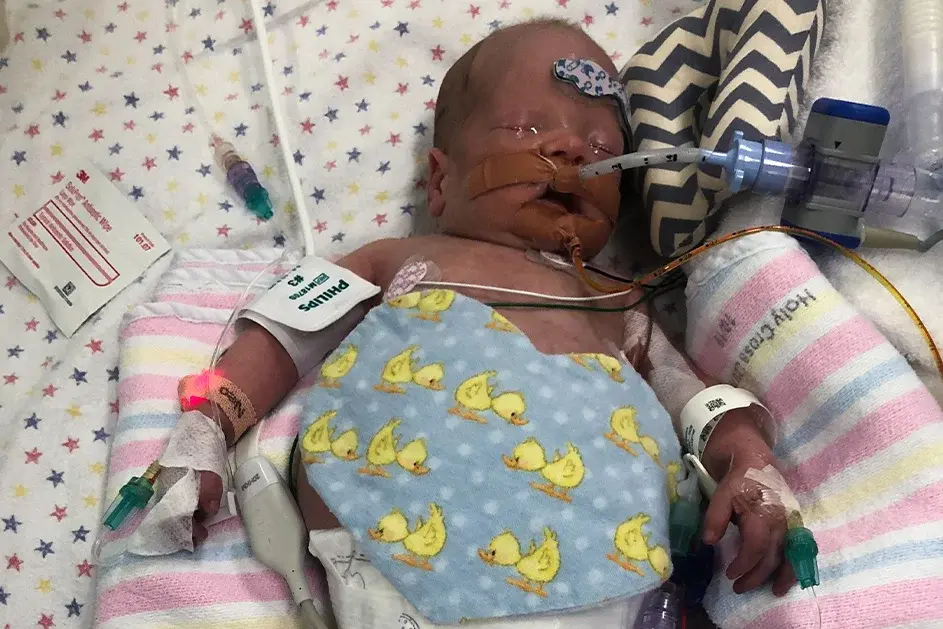
You felt it the moment the doctor walked into the recovery room. The mood shifted from celebratory to somber, and the explanation for your child’s condition felt vague, rehearsed, or dismissive. Perhaps you were told it was “nature taking a tough turn” or simply “one of those unfortunate things.” But deep down, a gut feeling persists: something went wrong, and it wasn’t just bad luck.
You are not alone in this suspicion, and statistics suggest you may be right. Research indicates that nearly 50% of birth injuries are potentially avoidable, often stemming from errors in identification and management during labor. When medical professionals attribute a tragedy to chance, they may be using broad terms to mask preventable errors caused by fatigue, understaffing, or negligence.
To find closure and security for your family, you must move beyond these initial explanations. You need a partner who can uncover the truth about your child’s injury and determine if standards of care were breached. You don’t just need sympathy; you need a hyper-local legal team equipped to investigate the evidence hidden deep within your medical records.
Key Takeaways
- Distinguish the difference: Learn why “bad luck” is frequently a cover for medical negligence and how to spot the difference between genetic defects and birth injuries.
- Local vigilance matters: With Butler County experiencing high preterm birth rates, local hospitals like Kettering Health and Mercy Health are held to specific, rigorous standards of care.
- Evidence is key: Discover how specific documents, such as fetal heart monitor strips and staffing logs, can provide the objective proof needed to win a malpractice case.
- Secure the future: A lawsuit is not about greed; it is about securing the lifetime cost of care, which can often exceed $1 million for conditions like Cerebral Palsy.
The “Bad Luck” Myth: Medical Gaslighting vs. Malpractice
One of the most difficult hurdles for parents to overcome is the emotional weight of being told their child’s injury was inevitable. Medical professionals are trusted authority figures, and when they label a traumatic birth as a “complication,” it is natural to accept their word. However, it is critical to understand the medical distinction between a birth defect and a birth injury.
A birth defect is typically genetic or structural, occurring early in pregnancy. A birth injury, conversely, is often caused by external physical pressure, oxygen deprivation, or trauma during the delivery process. When a doctor blurs these lines, it can be a form of “medical gaslighting”—using complex jargon to discourage parents from asking hard questions about what happened in the delivery room.
These injuries are not as rare as hospitals might suggest. Birth injuries occur in approximately 7 out of every 1,000 babies born in the United States. This statistic proves that these are not isolated “freak accidents” but a prevalent issue in modern obstetrics.
If your pregnancy was documented as healthy and normal right up until delivery, a sudden, unexplained injury is a major red flag. If the baby’s heart rate was strong during check-ups but plummeted during labor, or if a C-section was delayed despite signs of distress, “bad luck” is an insufficient explanation. You deserve a forensic examination of the facts.
We Are Researchers: How We Uncover Negligence
When you hire a birth injury firm, you aren’t just hiring litigators; you are hiring a team of investigators. A birth injury case is, at its core, a complex research project into the timeline of your delivery. While parents can request medical records, they often lack the training to interpret the raw data that proves negligence.
We dig deeper than standard explanations to find the root cause of the injury. We refuse to accept “complications” as a final answer. Instead, we analyze specific data points that hospitals often hope will go unnoticed.
Fetal Heart Monitor Strips
These strips are the “black box” of your delivery. They record the baby’s heart rate in response to contractions. We look for ignored warning signs, such as late decelerations or a lack of variability, which indicate the baby was suffocating. If the medical team saw these distress signals and failed to intervene with an emergency C-section, it is strong evidence of malpractice.
Staffing and Shift Logs
Fatigue and inexperience are silent causes of many birth injuries. We demand staffing logs to determine if the labor and delivery unit was understaffed at the time of your birth. We also investigate whether critical decisions were made by an attending physician or left to an unsupervised, inexperienced resident.
Oxytocin (Pitocin) Administration Records
Pitocin is a drug used to induce or speed up labor, but it carries significant risks. If administered too aggressively, it can cause “hyperstimulation,” where contractions become so frequent and powerful that the baby cannot recover oxygen levels between them. We review the dosing logs to see if the medical team pushed the drug despite signs of fetal distress.
We review dosing logs to see if the medical team pushed the drug despite signs of fetal distress. Because establishing a breach of the accepted standard of care requires this level of forensic scrutiny, partnering with birth injury lawyers in Hamilton is the most effective way to uncover medical negligence and begin the process of recovering damages for your child’s future.
Why Hamilton Parents Need Local Answers
Medical malpractice does not happen in a vacuum; it happens in specific hospitals with specific challenges. National firms may understand the law, but they often lack the local context of Butler County’s medical environment. To build a winning case, your legal team must understand the reputation, protocols, and history of facilities like Kettering Health Hamilton and Mercy Health – Fairfield.
Local health statistics paint a concerning picture that demands high standards from these facilities. According to the March of Dimes, in Butler County, 10.5% of babies were born preterm in 2024. This is a statistic that demands heightened vigilance from local medical teams.
A high-risk environment is not an excuse for negligence; in fact, it establishes a higher duty of care. Hospitals in Hamilton know the local risk factors. They should be prepared with adequate NICU staffing, specialized equipment, and rapid response protocols for preterm deliveries.
If a local hospital claims they were “overwhelmed” or “unprepared” for a complication that is statistically common in our county, that is not a defense—it is an admission of systemic failure. We act as neighbors who know the landscape, holding local institutions accountable to the families they serve.
The Legal Hurdle: What is an Affidavit of Merit?
Many parents in Ohio hesitate to pursue a lawsuit because the process feels intimidating or litigious. There is a fear of filing a frivolous claim or getting entangled in years of bureaucracy. It is important to understand that Ohio law actually has a built-in filter to prevent this, known as the Affidavit of Merit.
An Affidavit of Merit is a sworn statement required to file a medical malpractice lawsuit. In this document, a qualified medical expert must review the records and certify that the claim has merit—meaning there is a reasonable probability that the standard of care was breached and that this breach caused the injury.
This requirement is actually a protection for your family. It ensures that your case is valid before you invest significant emotional energy into litigation. You do not need to find this expert yourself. Our firm handles the entire process of securing this affidavit. We consult with independent medical specialists who review your charts to confirm negligence before we proceed.
While Ohio has a Statute of Limitations, and there are tolling provisions for minors that extend the deadline, you should not wait to seek answers. Evidence can be lost, memories fade, and staff members move on. Initiating the investigation early ensures the preservation of critical data, even if the lawsuit is filed later.
Fighting for Your Child’s Lifetime Needs
The decision to file a lawsuit is rarely about anger; it is almost always about survival. Parents of children with birth injuries like Cerebral Palsy (CP) or Hypoxic-Ischemic Encephalopathy (HIE) are often paralyzed by the fear of financial ruin. The cost of adaptive equipment, physical therapy, and specialized education is exorbitantly expensive.
The financial reality is staggering. The Centers for Disease Control and Prevention (CDC) estimates the lifetime cost of care for a child with Cerebral Palsy can exceed $1 million (adjusted for inflation). This figure covers only the essentials, not the optimal therapies that could improve a child’s quality of life.
When we fight for compensation, we are calculating a “Life Care Plan” that covers:
- Immediate Medical Bills: Reimbursement for lengthy NICU stays and surgeries.
- Future Needs: The cost of wheelchairs, accessible vans, home modifications (like ramps and wider doorways), and 24-hour nursing care.
- Loss of Future Earnings: Compensation for the income your child will not be able to earn as an adult due to their disability.
We operate on a “No Cost, No Obligation” contingency model. This means our interests are perfectly aligned with yours. You pay absolutely nothing out of pocket—no retainers, no hourly fees. We only get paid if we successfully recover funds for your child’s care. This allows you to pursue justice without adding financial risk to your family’s burden.
Conclusion
Your child’s injury may define their challenges, but it should not limit their future. While no amount of money can undo the trauma of a birth injury, securing the right resources can ensure your child lives a life full of dignity, comfort, and opportunity.
Finding the truth is the first step toward closure. You do not have to accept “bad luck” as the final word. If you suspect your child’s condition was preventable, we invite you to reach out for a free consultation. Let us review your medical records, listen to your story, and help you determine if negligence played a role in your family’s journey.
Also Read
- How Carrier Networks Shape Online Experiences
- How Customer Expectations Shape Modern Business
- Metaphors for Colors: 37+ Creative Examples to Add Life to Your Writing