
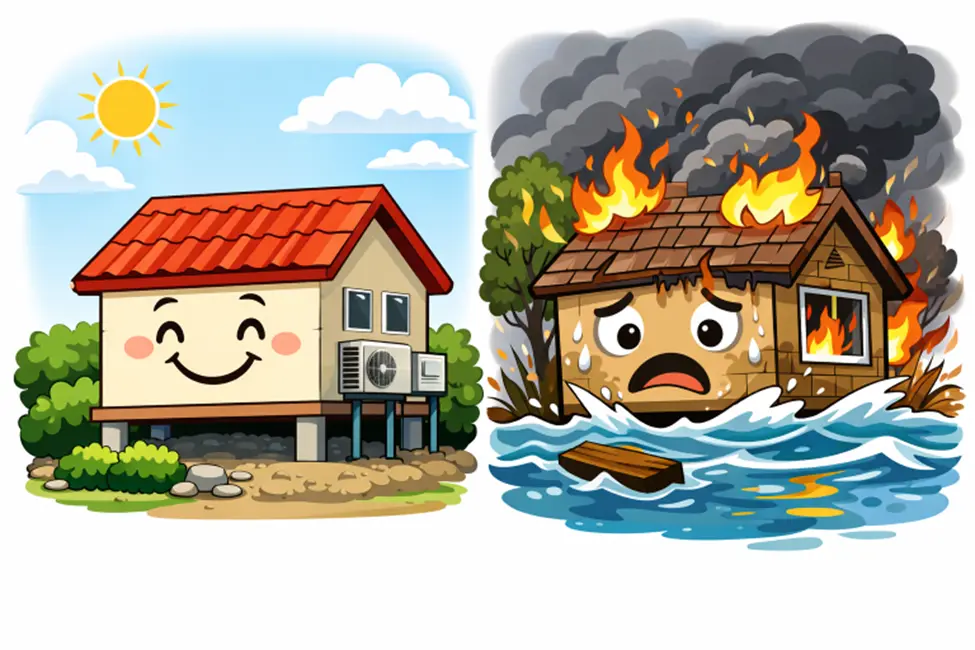
Protecting your home or business from disasters requires a proactive approach that involves preparation, action, and ongoing vigilance. By implementing effective mitigation and restoration strategies, you can significantly reduce property damage while also protecting your loved ones or employees. Taking steps such as mold mitigation can also limit the lingering effects of certain disasters, helping to maintain the health and safety of your environment over time.
Mitigation and restoration are not only about responding to immediate threats; they are also strategies that build long-term resilience. Understanding and executing these measures before and after disasters can make the difference between a manageable situation and a devastating loss. Proactivity can also lower overall expenses, increase property value, and provide peace of mind.
Unfortunately, disasters such as fires, storms, and floods are becoming more frequent in many regions. This underscores the importance of effective risk management and recovery procedures. Whether you are a homeowner or a business leader, learning how to make properties less vulnerable and recover efficiently is critical.
For more information on disaster preparedness and best practices, the Federal Emergency Management Agency (FEMA) offers comprehensive guidance through its official website at fema.gov. Their resources can further enhance your understanding and readiness.
Understanding Mitigation
Mitigation refers to the steps taken before a disaster strikes to reduce or eliminate long-term risks to human life and property from both natural and artificial hazards. These measures range from enforcing strict building codes and zoning laws to investing in robust flood defenses or wildfire barriers. As highlighted by the Centers for Disease Control and Prevention (CDC), communities and property owners who prioritize mitigation can create safer environments that are better able to withstand adversity.
Risk reduction efforts may include elevating buildings above floodplains, using wind-resistant materials, and establishing clear emergency plans. All of these actions are supported by data suggesting that mitigation investments lead to significant savings by preventing property losses and reducing recovery times.
The Importance of Restoration
Restoration is the critical process of repairing and returning properties to their original condition after a disaster. Timely action is essential to prevent secondary damages, such as mold after flooding or structural issues following a fire. Without prompt cleanup and remediation, houses and businesses can suffer accelerated deterioration, which increases costs and health risks.
Restoration specialists use specific methods depending on the scenario. For instance, heavy smoke damage requires specialized cleaning and deodorization techniques. Water damage requires thorough drying, sanitization, and, if necessary, rebuilding of affected areas. Speed is critical: addressing these challenges quickly protects structural integrity and reduces the chance of costly long-term issues.
Effective Mitigation Strategies
Mitigation strategies can be adapted to meet varied risks from wildfires, floods, hurricanes, or earthquakes. Key practices include:
- Home Hardening: Installing fire-resistant roof and siding materials, and using double-paned or tempered glass windows to prevent heat and flame penetration.
- Defensible Space: Keeping vegetation and flammable materials away from buildings to slow the advance of wildfires and improve firefighter access.
- Elevating Utilities: Raising HVAC units, electrical panels, and water heaters above potential flood levels is a simple yet highly effective preventive measure.
Studies suggest that for every dollar invested in mitigation, an average of six dollars is saved in future recovery costs. These strategies not only benefit individual property owners, but they also help create more disaster-resilient communities overall.
Restoration Best Practices
Restoration demands a systematic approach to address all immediate and future risks. The following best practices are widely recommended by industry and government experts:
- Securing Damaged Areas: Boarding up exposed windows and doors protects the property from both weather damage and unauthorized entry while restoration begins.
- Containment Techniques: Using plastic sheeting and negative air pressure can contain mold spores, soot, and other contaminants, minimizing their spread to unaffected areas of the property.
- Climate Control: Setting up dehumidifiers, air movers, and heaters ensures that humidity and temperature remain at safe levels, preventing moisture-related damage and impeding mold or mildew growth.
Combining these measures helps protect your investment and creates a safer, healthier environment during the recovery process. Following professional guidance keeps restoration processes efficient and effective.
Government Initiatives and Support
Federal and state governments offer substantial resources for mitigation and restoration. Programs such as FEMA’s Building Resilient Infrastructure and Communities (BRIC) initiative empower communities by providing funding for disaster risk reduction projects. Homeowners may also benefit from legislation, like the proposed FIREWALL Act, which could incentivize investments in resilience upgrades through tax credits.
Additionally, disaster assistance can help cover temporary housing, repairs, and mitigation upgrades. Reviewing available programs can ensure you take full advantage of government support when disaster strikes.
Case Studies
Evidence from real-world applications underscores the value of proper mitigation and restoration. In several California communities, combining fire-resistant building techniques and defensible space creation led to a significant decrease in wildfire-related property losses. Research by leading universities shows that, with these strategies, home survival rates during wildfires are substantially higher, doubling in regions with coordinated mitigation efforts. These success stories illustrate that a community-wide commitment fosters resilience against repeat disasters.
Conclusion
Combining proactive mitigation with fast, efficient restoration provides the best path to safeguarding property and lives. By staying informed and making investments in property safety, you protect not only your own assets but also contribute to the resilience of the wider community. Take action today to prepare for tomorrow’s challenges, ensuring your property stands the test of time and nature.
Also Read
- Spring Break Should Actually Feel Like A Break
- How Customer Expectations Shape Modern Business
- Metaphors for Challenges: 33+ Creative Ways to Express Life’s Struggles