
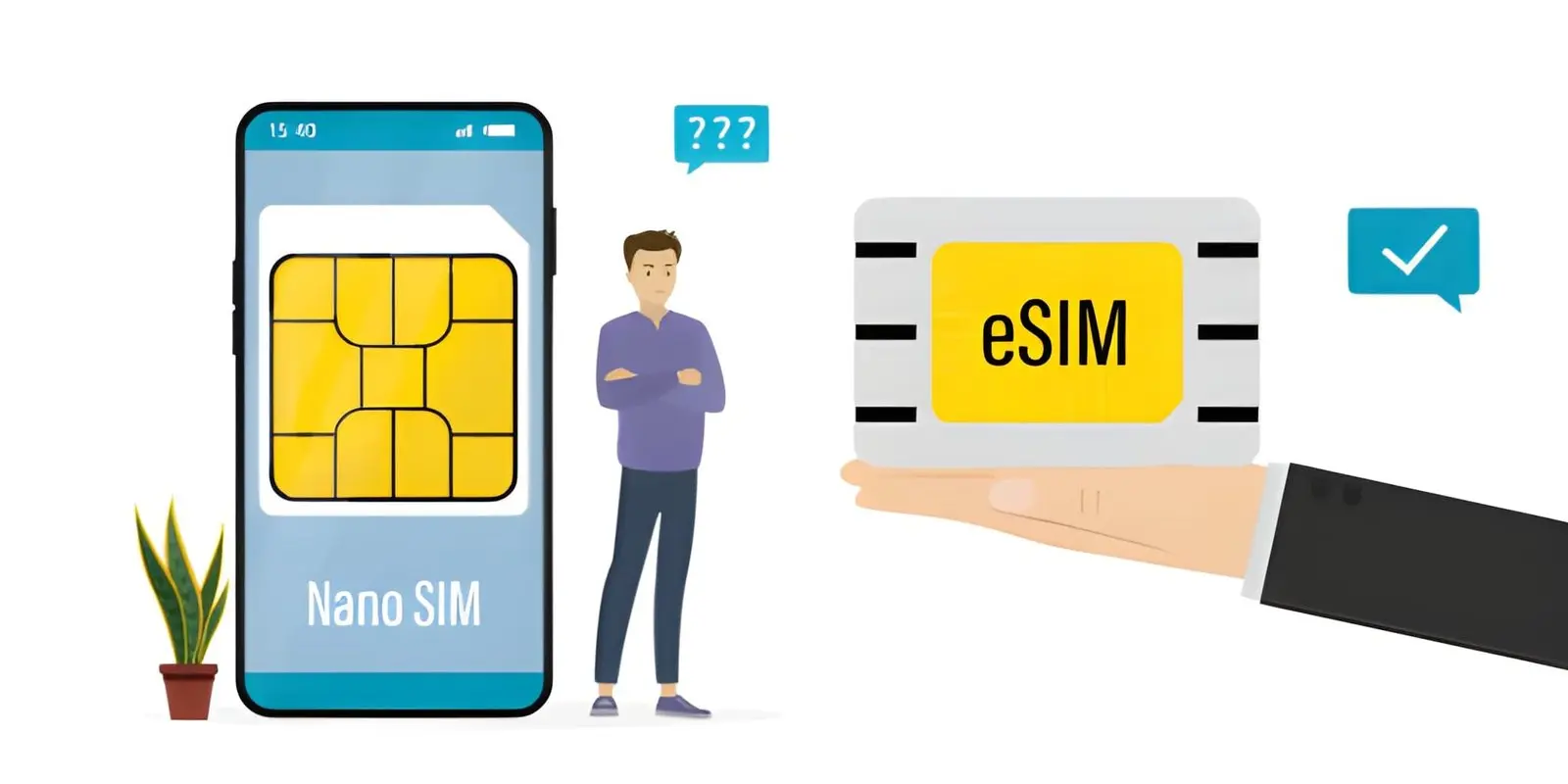
Traveling abroad has never been easier when it comes to staying connected, but choosing between an eSIM and a traditional local SIM card can make or break your trip. Whether you’re backpacking through Europe, exploring Southeast Asia, or heading on a business trip to Latin America, reliable mobile data is essential for navigation, translation apps, ride-sharing, and sharing memories in real time. In this guide, we break down the key differences to help you decide which option suits your travel style best.
What Is an eSIM?
An eSIM (embedded SIM) is a digital SIM built directly into your smartphone. Instead of inserting a physical plastic card, you download and activate a mobile plan from your carrier or eSIM provider over the internet. Most modern flagships—from iPhone 11 onward to the latest Google Pixel and Samsung Galaxy models—support eSIM technology.
The biggest advantage for travelers is convenience: you can purchase and activate a plan before you even leave home, and switch between different country profiles without ever touching your phone’s SIM tray.
What Is a Local SIM Card?
A local SIM card is the classic physical SIM you buy upon arrival at the airport, a convenience store, or a mobile shop in your destination country. You pop it into your unlocked phone, top it up with credit or data, and you’re connected using the local carrier’s network.
This method has been the go-to for budget travelers for decades, especially in countries where data is extremely cheap once you’re on the ground.
Head-to-Head Comparison: eSIM vs Local SIM for Travelers
Convenience & Setup Time
eSIM wins hands down. Buy your plan online, scan a QR code, and you’re online in minutes—even while still on the plane. No hunting for a SIM vendor, no language barriers, and no risk of buying the wrong plan. Local SIMs require you to locate a shop, show your passport (in many countries), wait in line, and manually swap cards. If you land late at night or in a rural area, you might stay offline for hours.
Cost
Local SIMs often appear cheaper on the surface—some Asian and Latin American countries sell unlimited-data packs for just a few dollars. However, hidden costs add up: taxi fares to the shop, time wasted, and sometimes poor value if you don’t use the full allowance. eSIM plans are usually priced transparently for a set number of days and gigabytes (or unlimited data). While the upfront cost can be slightly higher, many travelers find the total “hassle-adjusted” price lower because there are no extra fees or surprises.
Flexibility
With an eSIM you can keep your home number active for WhatsApp and 2FA codes while using a local data plan on the eSIM. Dual-SIM phones let you juggle multiple countries on one device. Local SIMs usually force you to choose: either give up your home number or carry two phones. Swapping SIMs repeatedly also increases the chance of losing or damaging the tiny card.
Coverage & Reliability
Both options use the same local networks, so coverage is identical once activated. The difference lies in planning: reputable eSIM providers partner with multiple carriers and often let you choose the best network for your route. Local SIMs lock you into one carrier unless you buy additional top-ups.
Security & Peace of Mind
eSIMs are more secure—your profile is digitally encrypted and can’t be physically stolen or lost. If your phone is lost or stolen, you can remotely deactivate the plan. Local SIMs can be misplaced during the swap process or even cloned in some tourist hotspots.
When Should You Choose Each Option?
- Choose eSIM if: You value time, convenience, and simplicity. Ideal for short trips, multi-country itineraries, or anyone who hates queues. Digital nomads and frequent flyers especially love the ability to pre-load plans for several destinations.
- Choose a local SIM if: You’re on a very tight budget for a long stay in one country and don’t mind the initial hassle. Some remote destinations still have limited eSIM support, making a physical SIM the only realistic choice.
For most modern travelers, the scale tips heavily toward eSIMs. The technology has matured dramatically, and the time and frustration you save are often worth the small premium.
Why Travelers Are Switching to eSIMs
The rise of remote work, Instagram Reels, and real-time Google Maps has made constant connectivity non-negotiable. eSIMs eliminate one of the biggest travel headaches: “How do I get internet right now?” Providers like Holafly have made the switch even smoother by offering unlimited data plans specifically designed for globetrotters—no worrying about running out of GBs while uploading stories or using maps.
If you’re ready to simplify your next adventure, a travel eSIM is one of the smartest upgrades you can make.
Final Verdict
eSIM is generally the better choice for travelling in 2026. It’s faster, safer, more flexible, and ultimately less stressful than hunting down a local SIM card in an unfamiliar airport. While physical SIMs still have a place for ultra-budget, long-term single-country trips, the convenience of an eSIM makes it the clear winner for the vast majority of travelers.
Next time you pack your bags, skip the SIM shop drama and go digital. Your future self—relaxed, connected, and already exploring—will thank you. Safe travels!
Also Read
- Are Houston Developers Building for Growth or Looks
- Metaphors for Challenges: 33+ Creative Ways to Express Life’s Struggles
- Metaphors for Challenges: 33+ Creative Ways to Express Life’s Struggles