The Australian home renovation market is currently surging, valued at over $54 billion annually as property owners increasingly choose to upgrade their current homes rather than build new. With the value of lending for home renovations running at nearly three times higher than pre-pandemic levels, a massive number of properties are transforming into active construction zones. While upgrading a kitchen or opening up a living space offers an excellent return on investment, the physical reality of the building process is incredibly messy. Before the first sledgehammer swings, preparing your living space and protecting your furniture is a critical logistical step.
Preparing your home for an influx of tradespeople requires strategic planning. If you are currently organising your project timeline, exploring comprehensive home improvement resources will help you manage your budget and coordinate site preparation effectively. Once your structural plans are finalised, you must immediately turn your attention to readying your furniture and personal belongings for the upcoming build.
The Hidden Dangers of Construction Dust
When planning a major home upgrade, many people underestimate the pervasive nature of construction dust. This fine particulate matter acts like microscopic sandpaper on household goods. It can cause tiny abrasions that permanently dull the sheen of leather lounges or timber dining tables. More alarmingly, the dust generated by cutting, drilling, or sanding common building materials poses severe health risks. The official Model Code of Practice for managing risks of respirable crystalline silica in the workplace establishes statutory guidance for controlling the airborne spread of this hazardous dust. This toxic residue is commonly generated during home renovations and can cause permanent lung disease if inhaled.
Because these microscopic particles can easily bypass natural respiratory defences, professional tradespeople are required to implement strict physical isolation on worksites. However, even with the best containment strategies, microscopic dust easily penetrates the deep weaves of fabric upholstery. If dust becomes trapped in couches and mattresses, it can trigger long-term respiratory flare-ups long after the builders have packed up their tools. To completely avoid these risks, hiring a professional removals company before construction begins guarantees your furniture remains untouched by hazardous debris.
Why Relocating Items is the Safest Strategy
Beyond airborne hazards, an active worksite presents numerous physical threats to your belongings. Heavy tools, dropped hardware, and spilled varnishes commonly cause irreversible damage to whatever is left in the room. Getting large items completely out of the house eliminates the risk of accidental breakage while your property is under construction.
Punctures, timber cracks, and stubborn stains are unfortunate but frequent casualties when furniture is left exposed in rooms undergoing extensive upgrades. Modern open-plan conversions and whole-house flooring replacements are large-scale operations that require a completely unobstructed workspace to be completed safely and efficiently. Removing your bulky couches, fragile antiques, and heavy dining sets not only safeguards your valuable items but also gives your contractors the clear, safe environment they need to work effectively, which ultimately helps keep your renovation timeline on track.
A Checklist for Clearing the Construction Zone
To ensure your household goods remain in pristine condition during the chaos of construction, you need a systematic approach to clearing out the affected areas. Taking the time to properly pack and store your items will save you from costly replacement bills later on.
Follow these practical steps to protect your belongings:
- Audit and sort your belongings: Decide which items will go into off-site storage, what will be moved to unaffected rooms, and what can be donated or discarded.
- Deep clean before storing: Vacuum upholstery and wipe down hard surfaces before moving them. Storing dirty furniture can cause stains to set or attract pests over time.
- Dismantle large items: Take apart bed frames, dining tables, and modular shelving units. Keep all screws and brackets in clearly labelled plastic bags taped to the corresponding pieces.
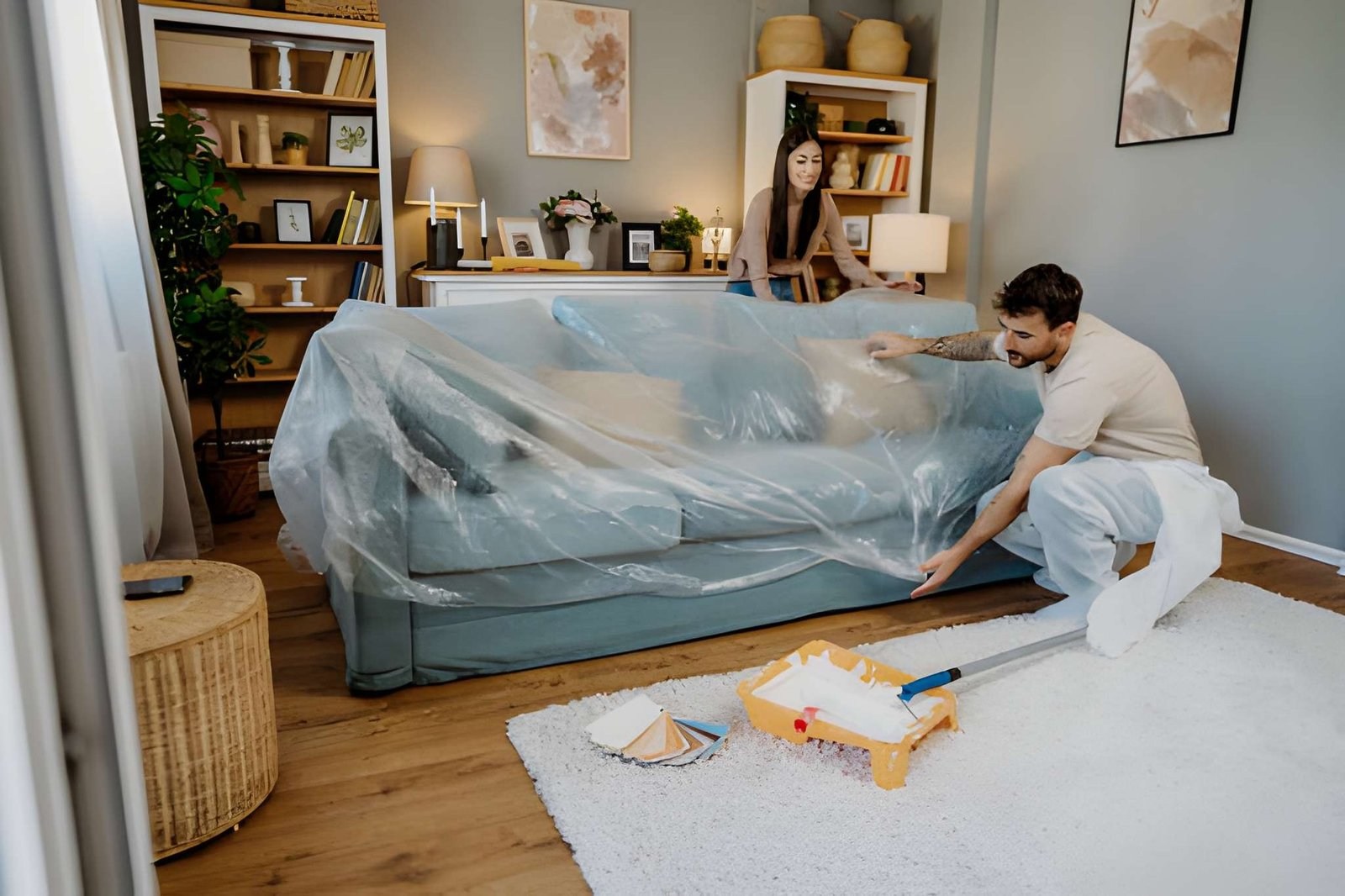
- Use appropriate wrapping: Protect timber surfaces with moving blankets and wrap soft furnishings in breathable plastic covers to prevent moisture buildup while in storage.
- Seal off remaining rooms: For furniture that must stay in the house, use heavy-duty plastic sheeting and painter’s tape to completely seal the doors and vents of the storage rooms, preventing stray dust from entering.
Maximising Your Renovation Investment
Major home upgrades currently offer average returns on investment ranging between 68 and 75 percent for Australian property owners. However, a successful project relies heavily on seamless logistics and careful site management. Taking the time to properly protect your belongings prevents costly damage and ensures that the excitement of revealing your newly renovated space is not ruined by damaged goods.
By planning ahead and clearing the worksite thoroughly, you pave the way for a safer, faster, and more successful home transformation. Protecting your assets is just as important as choosing the right tiles or paint colours, ensuring your newly renovated home is filled with pristine furniture when the job is finally done.
Read more: Soft2Bet’s Expertise: How the Company Forms Its Knowledge and Industry Expertise – metaphorhaven.com
The Future of Compact Data Centers: Trends and Solutions for Small Spaces – metaphorhaven.com