
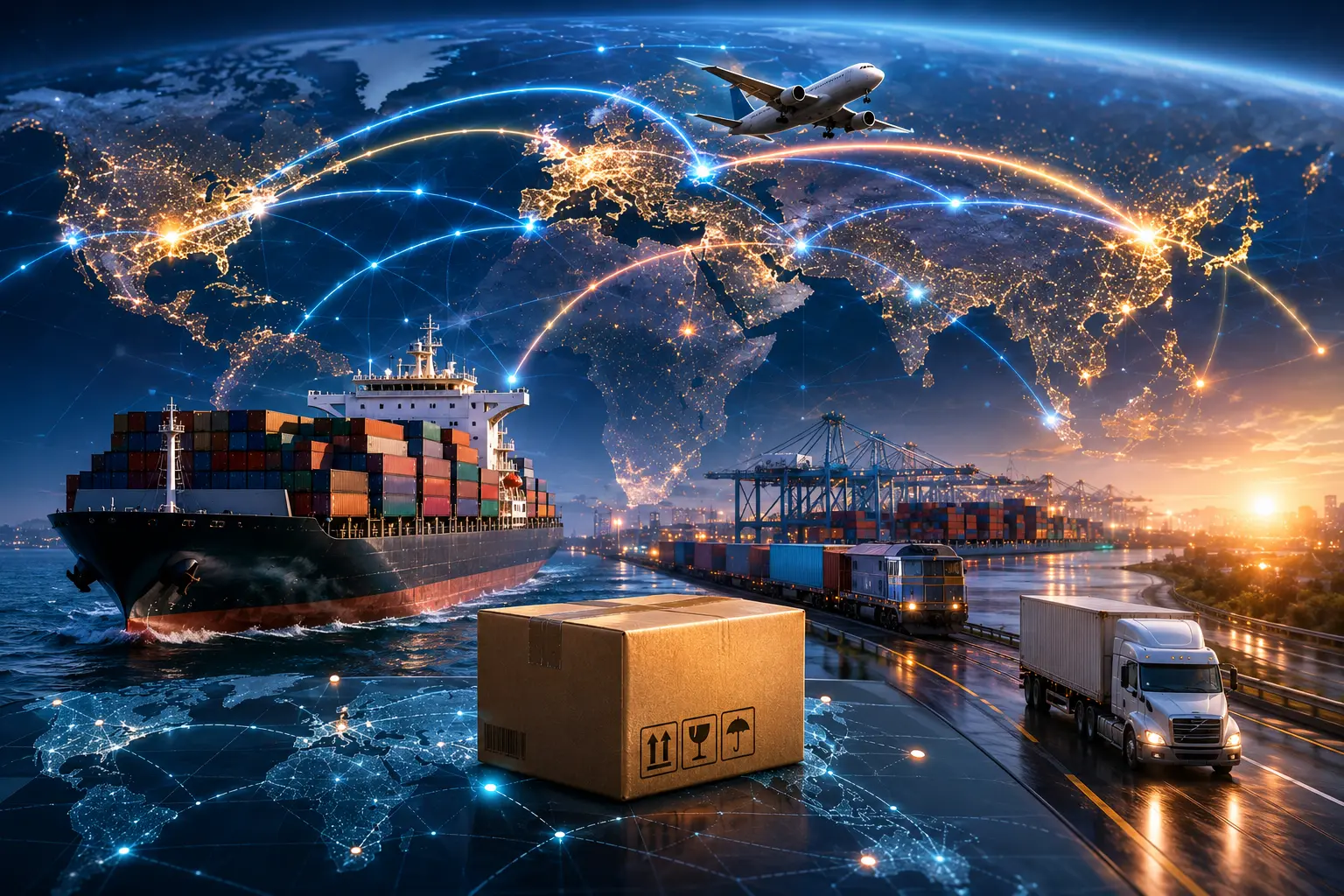
The way parcels travel across the globe is constantly shifting. By 2026, cross‑border e‑commerce, regional manufacturing and shifting geopolitics have redrawn the map of international shipping. Shoppers in Europe, the Americas and Asia routinely buy goods from far‑flung suppliers, and their packages trace long, sometimes convoluted paths through multiple carriers and customs offices. Understanding the most popular shipping corridors today helps explain why your parcel might take the route it does – and gives you clues about what to expect when you check a tracking number.
The new landscape of global shipping
Trade routes aren’t static. In recent years, companies have diversified their supply chains, building factories closer to consumers while still relying on established hubs in China and other parts of Asia. Europe’s manufacturing has grown in Central and Eastern countries, prompting more intra‑continental shipping. E‑commerce marketplaces in Southeast Asia and the Middle East are booming, creating new demand for regional express lanes. At the same time, major shipping lanes continue to rely on a handful of chokepoints. The Suez Canal and Strait of Malacca remain critical: roughly 12 % of global trade and 50 000 vessels annually pass through these waterways. When disruptions occur – as they did in 2024 when drought lowered water levels in the Panama Canal, sending container ships around Cape Horn – shipping companies reroute and estimated delivery dates shift. For shoppers, the practical lesson is that a parcel’s route may vary based on seasonal events, weather and geopolitical issues.
Asia to Europe: The longest lane remains busy
The Asia–Europe corridor is still the world’s busiest intercontinental shipping lane. Most goods from factories in China, Vietnam and other Asian countries travel west through the South China Sea, cross the Indian Ocean and enter the Mediterranean via the Suez Canal. Container volumes along this route rebounded after the pandemic, and 2026 forecasts predict continued growth due to strong European demand for consumer electronics, clothing and machinery. When the Suez is disrupted – by accidents or geopolitical tensions – ships detour around Africa’s Cape of Good Hope. This adds about two weeks to sailing times and can leave packages “in transit” with no scans for days. In response, some retailers are positioning inventory in European distribution centres or shipping certain high‑value items by air, especially urgent orders from Chinese platforms to Germany or the Netherlands. For customers, this means a “silent” tracking number may simply reflect a vessel rounding the cape, rather than a lost package.
The Pacific giant: Asia–North America and the rise of nearshoring
The trans‑Pacific route between East Asia and North America is another major artery. The United States imports vast quantities of goods from China, Japan and South Korea, while Canada and Mexico supply raw materials and finished products in the opposite direction. In 2025 the U.S. Bureau of Transportation Statistics reported that three of the top ten U.S. container ports were on the West Coast, processing millions of TEUs (twenty‑foot equivalent units) annually. At the same time, nearshoring has gained momentum: manufacturers have been opening or expanding plants in Mexico and Southeast Asia to shorten supply chains. This reduces transit times for certain categories of goods but does not replace the trans‑Pacific lanes, which still handle high‑value electronics, apparel and speciality food products. When you see status messages like “departed international processing facility” on your tracking page, your parcel may be sailing across the Pacific or already at a West Coast port awaiting customs inspection. Once cleared, it usually travels by rail or truck to inland hubs before the USPS or another local carrier takes over for final delivery.
Intra‑Asia, the Middle East and emerging routes
Not all popular routes cross oceans. Intra‑Asia shipping is enormous: more than 50 000 vessels transit the Strait of Malacca each year, connecting ports in China, Korea and Japan with hubs in Singapore, Malaysia and Vietnam. These short‑haul lanes support rapid delivery of components and finished goods within the region. They also link to growing e‑commerce markets in Indonesia, Thailand and the Philippines, where local consumers increasingly order from nearby countries to save on shipping time and duties. Another emerging trend is the Asia–Middle East corridor. Gulf countries are investing heavily in logistics hubs and free trade zones, attracting Chinese, Indian and Turkish exporters. Parcels on this lane may pass through Dubai’s Jebel Ali port or Qatar’s Hamad Port before being handed to regional couriers. For shoppers in the Middle East and South Asia, these hubs shorten delivery times compared with routing through Europe.
Across the South America–Europe lane, container ships carry coffee, soybeans and fresh fruit alongside electronics and machinery. Brazil and Chile remain leading exporters to European consumers, and 2026 is expected to see record demand for premium food products and handcrafted goods. Because this corridor crosses multiple climate zones, timing is crucial: shipments may be delayed by storms near Cape Horn or congested ports in the Strait of Gibraltar. Air freight volumes between Latin America and Europe are also rising for high‑value goods and perishable items. As a shopper ordering artisanal items from São Paulo or Buenos Aires, plan for possible seasonal delays and use express options when available.
Following the relay: how carriers hand over your package
No matter which route your parcel takes, it will likely pass through multiple carriers. A package might begin its journey with a Chinese domestic courier, transfer to a global ocean carrier, clear customs in a North American port and then be handed to a last‑mile provider such as USPS or a local postal service. Each transfer generates a new scan. When you see phrases such as “Handed over to airline,” “Arrival at inward office of exchange” or “Dispatched from sorting center,” they indicate the hand‑off between networks. Longer gaps often mean the item is in transit between hubs or waiting in customs. To avoid confusion, watch for milestones rather than fixating on each scan. If your tracking number goes quiet for several days, check weather news or port updates; storms or congestion may slow the ship.
One way to simplify the process is by using a universal online shipment tracking service. Instead of visiting several carrier websites, you can track shipment online with a single tracking number and see updates from all participating networks. For example, you could start with FedEx parcel tracking for an express shipment and then watch as it passes to your national postal service. A consolidated dashboard also lets you compare the progress of multiple orders at a glance. If you’re not sure which company currently has your parcel, try copying the number into a platform that recognises different carriers. This is especially useful for cross‑border shipments where your package may switch hands mid‑route, and it can alert you to issues sooner so you can contact the seller or carrier if necessary.
Anticipating the future
By 2026, the world’s parcel highways are busier and more diversified than ever. Consumers benefit from greater choice and faster shipping options, but the complexity of global logistics means delays still happen. Major trade corridors like Asia–Europe, Asia–North America, Intra‑Asia and South America–Europe are likely to remain dominant through the decade. At the same time, new routes linking Asia and the Middle East or Africa may gain prominence as investment flows into ports and free trade zones. Environmental regulations in the European Union and North America – such as carbon pricing and emissions targets – may encourage slower sailing speeds or alternative fuels, potentially influencing transit times.
For everyday senders and shoppers, the takeaway is simple: plan ahead, allow extra days for customs and carrier hand‑offs, and use your tracking number to stay informed. Understanding the major routes your parcel might travel and using a shipment tracking platform that consolidates scans make it easier to follow your order’s journey from factory to front door. Whether your package is crossing oceans, sailing along a busy strait or moving between regional hubs, appreciating the hidden infrastructure behind each status update can make the wait a little more interesting and a lot less stressful.
Also Read
- Inside Telegram: Understanding Their Smarter Messaging Technology
- How First-Time Business Owners Can Get a Loan
- Shifting Your Relationship With Money