
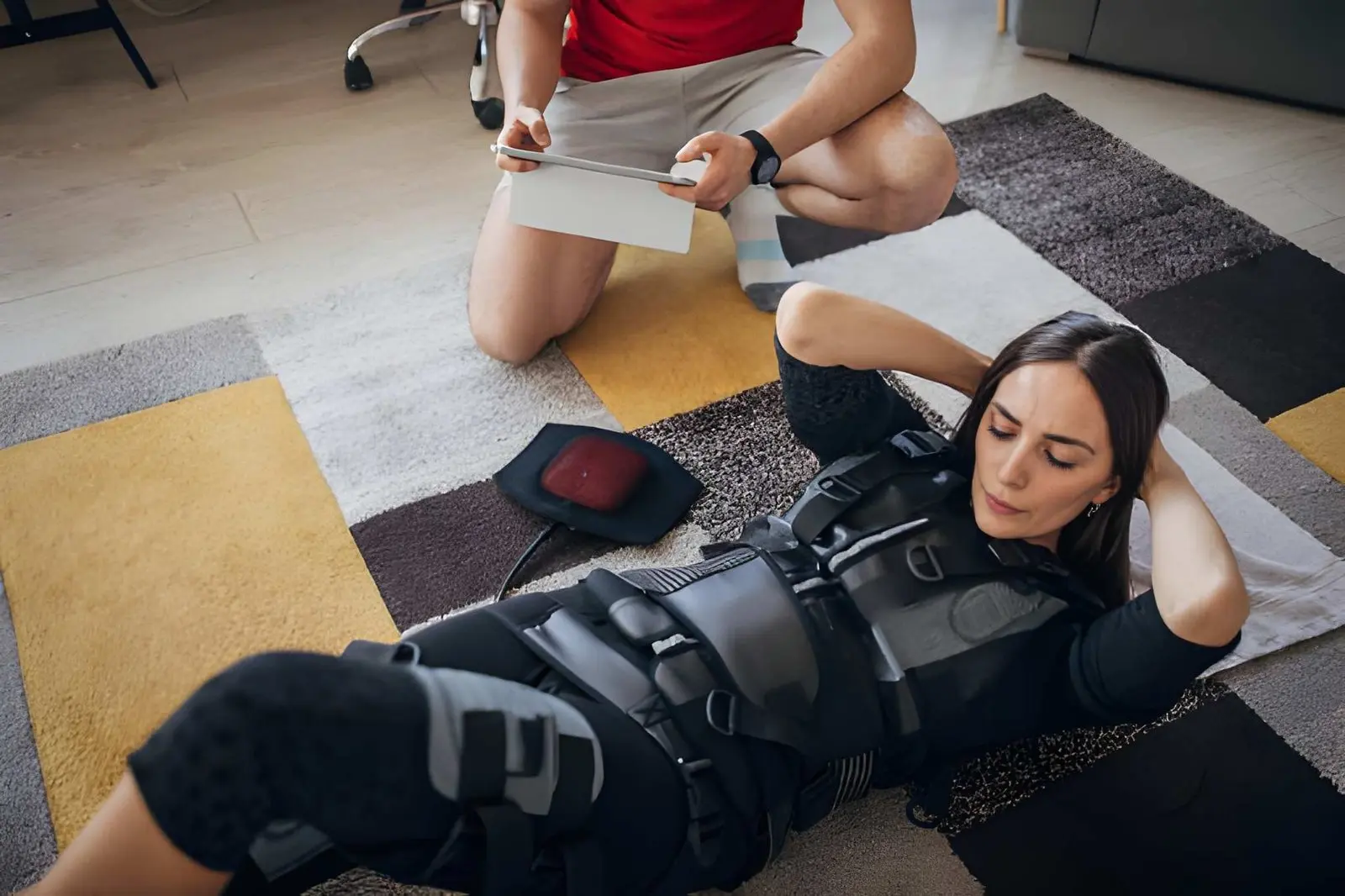
For many people, staying consistent with fitness routines can be challenging. Busy work schedules, family responsibilities, and limited time often make it difficult to commit to long gym sessions. As a result, many individuals look for practical ways to support their fitness goals from home.
In recent years, at-home muscle stimulator devices have become increasingly popular. These tools use electrical impulses to stimulate muscle contractions, complementing traditional workouts and supporting body-toning efforts. While they are not a replacement for exercise or a healthy lifestyle, they offer a convenient way to enhance fitness routines and target specific muscle groups.
From athletes to office workers, people across different industries are discovering how these devices can fit into everyday wellness habits. Understanding how they work and where they fit within a fitness plan can help individuals make smarter choices about their health and body-sculpting goals.
Understanding How Muscle Stimulator Devices Work
Muscle stimulator devices typically use electrical muscle stimulation (EMS). This method uses gentle electrical impulses delivered through pads placed on the skin. These impulses cause the underlying muscles to contract in a way that mimics natural muscle movement.
The concept is not new. EMS technology has been used for decades in physical therapy and sports training. Physiotherapists sometimes use it to help patients regain muscle activity after injuries, while athletes use it as part of recovery routines.
At-home devices bring a simplified version of this technology into everyday environments. Most models consist of flexible pads connected to a small control unit. When placed on areas such as the abdomen, arms, or legs, the device sends controlled pulses that stimulate the muscles beneath the skin.
This stimulation encourages muscles to contract repeatedly during short sessions, which may help activate muscle fibers. When combined with exercise and proper nutrition, these contractions can support toning and muscle engagement.
For people who spend long hours sitting—such as office workers or remote employees—this technology can provide an extra layer of muscle activation during otherwise inactive periods.
Supporting Busy Lifestyles and Flexible Fitness Routines
One reason muscle stimulator devices have gained attention is their ease of integration into modern lifestyles. Unlike traditional gym workouts that require dedicated time and travel, these devices can often be used while performing other activities.
For example, someone working from home might wear the device during a short break, while reading emails, or even while watching television in the evening. This flexibility makes it easier to maintain consistency, which is often the most important factor in long-term fitness progress.
Fitness professionals frequently emphasize that small, consistent actions can accumulate into meaningful results. While EMS devices do not replace strength training or cardio, they can help reinforce muscle engagement between workouts.
Consider someone who enjoys jogging but struggles to find time for core training. Using a muscle stimulator device on the abdominal area for short sessions throughout the week may help maintain awareness and engagement of those muscles. This additional activation can complement other physical activities.
Similarly, people recovering from intense workouts may use these devices as part of their recovery routine. Gentle stimulation can encourage circulation and muscle activation without placing additional strain on the body.
In industries where long hours of sitting are common—such as technology, design, or finance—muscle stimulation devices can also serve as a reminder to stay mindful of physical wellness.
Targeting Specific Areas for Body Sculpting
Body sculpting often focuses on specific muscle groups to enhance overall strength and appearance. Traditional workouts achieve this through exercises such as squats, planks, and resistance training.
Muscle stimulator devices can support this process by targeting specific areas of the body. Pads can be placed on the abdomen, arms, thighs, or glutes, depending on the individual’s goals.
For example, someone who regularly trains their legs might use the device to stimulate their quadriceps or glutes on rest days. This does not replace exercise, but it can help keep muscles active and engaged.
The ability to target specific muscles is one reason these devices have attracted attention from fitness enthusiasts. Many users appreciate the idea of supporting muscle activation without needing a full workout session every time.
Those curious about exploring different types of muscle stimulation devices and fitness tools can click here to learn more about available options and how they can complement an at-home wellness routine.
When used responsibly alongside traditional exercise and balanced nutrition, muscle stimulation technology can become a helpful addition to broader body-sculpting strategies.
Complementing Modern Wellness Trends
The growing popularity of at-home muscle stimulation devices reflects a larger trend in wellness: convenience and personalization. People today want tools that allow them to manage their health in ways that fit their unique schedules and lifestyles.
Just as wearable fitness trackers help individuals monitor daily activity, muscle stimulator devices offer another layer of support for body awareness and physical engagement.
These tools can also complement other home-based fitness practices. For example, someone practicing yoga might use EMS stimulation on core muscles to support stability training. A cyclist might use it to activate leg muscles after a ride. Even individuals new to fitness may find it useful for learning how certain muscles feel when they contract.
In professional sports environments, similar technologies are sometimes used during recovery sessions to help athletes maintain muscle engagement between training cycles. While consumer devices are typically less powerful than professional equipment, they operate on the same underlying principles.
The key to effective results is balance. Muscle stimulation should be viewed as a supplement rather than a substitute for regular physical activity. Pairing it with strength training, healthy nutrition, hydration, and proper rest will always provide the most meaningful long-term outcomes.
Building Consistency in Fitness and Body Goals
Fitness success rarely comes from a single tool or technique. Instead, it develops through consistent habits practiced over time. Whether someone is training for improved strength, better posture, or body sculpting goals, maintaining regular activity is essential.
At-home muscle stimulator devices can play a supportive role in this process. Their convenience allows people to stay connected to their fitness goals even during busy weeks or travel periods.
For many individuals, simply having an easy-to-use tool nearby can encourage greater awareness of their bodies and motivate them to stay active. Small reminders to engage muscles, stretch, or move can gradually build stronger routines.
Ultimately, body sculpting and fitness are about creating sustainable habits. Tools that make those habits easier to maintain can help people stay on track.
At-home muscle stimulator devices represent one example of how modern technology is helping individuals integrate wellness into daily life. When combined with exercise, healthy lifestyle choices, and realistic expectations, they can support a more consistent and balanced approach to fitness and body care.
Also Read
- How Customer Expectations Shape Modern Business
- How Smart Technology Is Changing Luxury Home Living
- Metaphors for Colors: 37+ Creative Examples to Add Life to Your Writing