Drywall might seem like a simple part of any building project, but construction and maintenance firms treat it as a craft that demands precision. A poorly installed drywall panel can lead to cracks, moisture issues, and expensive repairs down the line. For this reason, professional crews follow a clear sequence of steps from measurement to final finishing.
Firms like Pacific West Construction balance speed with quality to keep projects on schedule without sacrificing durability. They also adapt their methods for new construction versus repair work in occupied buildings. This article explores the practical ways these teams manage drywall projects from start to finish.
Planning and Material Selection
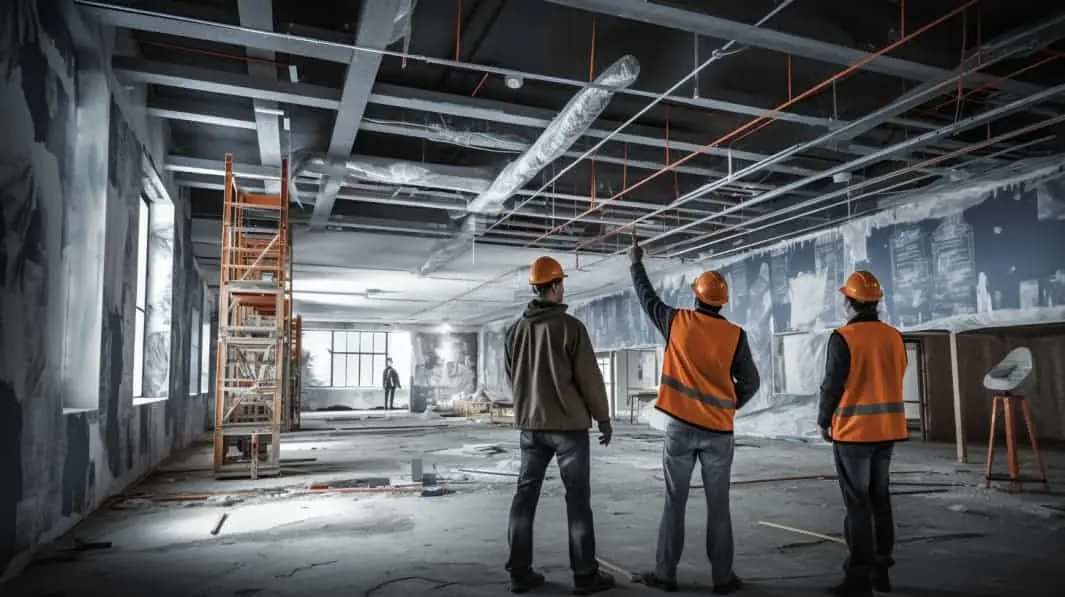
Every drywall project begins with a thorough assessment of the space and its intended use. Construction firms measure wall heights, note electrical outlet locations, and identify any obstacles like pipes or ducts. Maintenance teams, on the other hand, inspect existing walls for water damage, mold, or structural shifts before ordering materials. They choose between standard half-inch panels for most interior walls or thicker fire-rated boards for garages and mechanical rooms. Moisture-resistant green board becomes the choice for bathrooms and basements. Therefore, the right material selection prevents future callbacks and protects the building’s integrity.
Installation Techniques for Efficiency
Once materials arrive, crews move quickly to hang the drywall sheets in a staggered pattern. Staggering the vertical seams reduces the chance of long cracks forming later. Workers use drywall lifts for ceiling panels to save time and prevent injury from heavy lifting. Screws are spaced every twelve inches along the edges and every sixteen inches in the field of the board. Professional installers avoid placing screws too deeply because broken paper faces weaken the hold. Consequently, a consistent screwing pattern creates a flat surface that requires less sanding and patching later.
Taping and Mudding for Seamless Results
After all panels are secure, the taping and mudding phase turns raw joints into invisible connections. Crews apply a thin layer of joint compound, then press paper or fiberglass tape into the wet mud. A second, wider coat of compound covers the tape, followed by a third coat after drying. Each layer must dry completely before sanding to avoid peeling or bubbling. Maintenance firms working on occupied buildings use low-dust compounds and seal off work areas with plastic sheeting. Therefore, patience during this phase directly affects how smooth the final paint finish will appear.
Finishing and Quality Checks
The finishing stage transforms a rough drywall surface into a wall ready for paint or texture. Workers sand all joints and screw heads with fine-grit paper, then wipe away dust with a damp sponge. A final light inspection under a work light reveals any dimples or ridges that need touch-ups. Construction firms often apply a primer coat before turning the space over to painters. Maintenance crews may match existing wall textures using spray hoppers or hand trowels.
Handling Repairs and Occupied Spaces
Maintenance firms face unique challenges when repairing drywall in buildings that remain open for business. They use dust containment systems such as zip wall barriers and negative air machines to protect furniture and air quality. Small hole repairs get fixed with self-adhesive mesh patches and quick-setting joint compound. For larger damaged sections, workers cut out the area to the nearest studs and fasten a new panel. They schedule sanding and painting during off-hours to avoid disrupting daily operations.
Construction and maintenance firms like Pacific West Construction approach drywall projects with a careful balance of speed, skill, and attention to detail. From material selection to final sanding, each step builds on the last to produce durable, smooth walls. Their systematic methods ensure that drywall serves its purpose as a strong, attractive surface for decades.
Also Read
- Improving ROI Through Smart Aviation Technology Investments
- The Role of Travel in Expanding Global Business Opportunities
- A Life in Transit: What Moving Teaches Us About Permanence