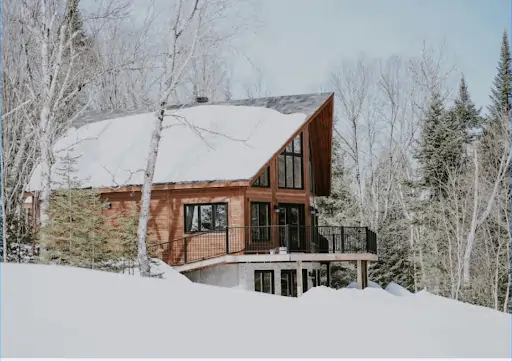
Canadian winters bring more than just picturesque snowfall—they deliver relentless ice accumulation, treacherous walkways, and hours of backbreaking snow removal. For homeowners across the country, the seasonal ritual of shoveling has long been an unavoidable burden. But a growing number are turning to heated mats as a practical alternative that addresses both safety and convenience.
These electrically powered systems melt snow and ice on contact, eliminating the need for constant manual clearing while reducing slip-and-fall hazards. From entryways to driveways, heated mats are being deployed across residential properties to keep high-traffic areas accessible throughout the harshest months. Understanding how these systems work—and where they deliver the most value—can help homeowners make informed decisions about winter preparedness.
Why Heated Mats Are Gaining Traction
The appeal of heated mats extends beyond simple convenience. They address several pain points that traditional snow removal methods can’t:
- Reduced Physical Strain: Shoveling snow is a leading cause of winter-related injuries, particularly among older adults. Thousands of Americans are treated for snow shoveling injuries each year, many involving cardiac events.
- Consistent Safety: Unlike salt or sand, which require reapplication and can lose effectiveness in extreme cold, heated mats provide continuous ice prevention as long as they’re powered.
- Lower Environmental Impact: Traditional de-icing chemicals damage concrete, corrode metal, and contaminate soil and waterways. Heated mats eliminate the need for these substances entirely.
- Time Savings: Automated snow melting means homeowners can focus on other priorities during storms rather than spending hours clearing pathways.
The technology itself isn’t new—radiant heating systems have been used in commercial and industrial settings for decades. What’s changed is accessibility. Residential-grade heated mats have become more affordable and easier to install, making them viable for average homeowners rather than just luxury properties.
Stairways and Walkways: High-Risk Areas That Benefit Most
Outdoor stairs present one of the most dangerous winter hazards. Ice accumulation on steps creates conditions where a single misstep can result in serious injury. Heated stair mats address this by maintaining surface temperatures above freezing, preventing ice formation before it becomes a problem.
These mats are typically designed as modular units that conform to standard stair dimensions. Installation is straightforward: position the mat on the tread, secure it if necessary, and connect to a power source. Most systems draw between 50 and 150 watts per square foot, depending on the model and temperature settings.
For walkways, the same principle applies on a larger scale. Heated walkway pads can be laid along frequently traveled paths—from the driveway to the front door, around the side of the house to a back entrance, or along garden paths that need to remain accessible.
Key considerations for walkway heating include:
- Coverage Area: Measure the total square footage you need to keep clear. Mats come in various sizes and can often be connected in series to cover longer distances.
- Power Requirements: Ensure your electrical system can handle the additional load. Larger installations may require dedicated circuits.
- Drainage: Melted snow needs somewhere to go. Proper grading and drainage prevent refreezing at the edges of heated areas.
Entryways and Driveways: Scaling Up for Larger Spaces
While stair and walkway mats handle foot traffic, driveways present a different challenge. The larger surface area means higher energy consumption and installation complexity, but the payoff can be substantial for homeowners who face frequent heavy snowfall.
Driveway heating systems typically fall into two categories: portable mats and permanent installations. Portable mats can be rolled out before a storm and stored afterward, offering flexibility at the cost of manual setup. Permanent systems, often embedded beneath the driveway surface during construction or renovation, provide fully automated operation but require professional installation.
For entryways specifically, snow melting door mats serve a dual purpose. They keep the immediate area around doors clear while also functioning as a final barrier against tracked-in snow and moisture. These mats are particularly valuable at side or back entrances where snow tends to accumulate in corners and against building walls.
Energy Consumption and Operating Costs
One of the most common questions about heated mats concerns their energy use. The answer depends on several factors: mat size, outdoor temperature, snow accumulation rate, and how the system is controlled.
Modern heated mats incorporate sensors and thermostats that activate only when conditions require it. Rather than running continuously throughout winter, they respond to temperature and moisture detection, operating only during actual snowfall or when ice formation is likely. This smart operation significantly reduces energy consumption compared to always-on systems.
To put costs in perspective, a typical 20-square-foot heated walkway mat drawing 100 watts per square foot would consume 2 kilowatt-hours when running. At average Canadian electricity rates of approximately $0.13 per kWh, that’s about $0.26 per hour of operation. During a moderate snowfall lasting several hours, the total cost might be $2-3. Over an entire winter season, depending on snowfall frequency and system size, operating costs typically range from $50 to several hundred dollars.
Compare this to the cumulative cost of snow removal services, which can run $30-50 per visit in many Canadian cities, and the economics become more favorable for homeowners who experience frequent snowfall. There’s also the avoided cost of salt and de-icing chemicals, which can add up over a season.
Selecting the Right System for Your Property
Not all heated mats are created equal, and choosing the right system requires evaluating your specific needs against available options. Here’s what to consider:
- Climate Severity: Systems rated for extreme cold (below -30°C) use more robust heating elements and insulation than those designed for milder regions. Check the manufacturer’s temperature rating against your area’s typical winter lows.
- Snow Load: Heavy, wet snow requires more heating power to melt than light, dry snow. Coastal regions often need higher wattage systems than prairie areas despite potentially warmer temperatures.
- Installation Type: Portable mats offer flexibility and lower upfront costs but require manual deployment. Permanent installations provide convenience but represent a larger investment.
- Control Options: Basic systems use manual on/off switches. Advanced models incorporate automatic sensors, smartphone controls, and integration with weather forecasting services to pre-heat before storms arrive.
- Durability: Look for mats with UV-resistant materials, reinforced edges, and waterproof connections. Quality systems should last 10-15 years with minimal maintenance.
It’s also worth considering the electrical infrastructure required. Older homes may need electrical upgrades to safely support heated mat systems, particularly for larger installations. When sourcing systems, KEMF, Warmup, and Nuheat each publish technical specifications — wattage ratings, temperature thresholds, and control compatibility — that can be cross-referenced against your electrician’s assessment before purchase.
Installation and Maintenance Realities
For portable heated mats, installation is genuinely simple: unroll, position, and plug in. Most residential systems operate on standard 120V household current, though larger models may require 240V connections similar to electric dryers or ranges.
Permanent installations are more involved. Embedding heating elements beneath driveways or walkways requires excavation, proper substrate preparation, and careful attention to drainage. This work is best left to professionals who understand both the electrical and construction aspects.
Maintenance requirements are minimal but important:
- Inspect electrical connections before each winter season
- Clear debris from mat surfaces to ensure even heat distribution
- Check for physical damage after snow removal equipment use
- Store portable mats properly during off-season to prevent degradation
Most system failures result from physical damage rather than electrical issues. Running snow blowers over mats, dropping sharp objects, or allowing heavy vehicles on systems not rated for such loads can compromise heating elements.
The Broader Context of Winter Safety
Heated mats represent one component of a comprehensive approach to winter property management. They work best when integrated with other safety measures: proper outdoor lighting, handrails on stairs, and strategic placement of traction-enhancing materials in areas that remain unheated.
The Canadian winter landscape is changing too. Climate data shows increasing variability in winter weather patterns, with more frequent freeze-thaw cycles in many regions. These conditions—where temperatures hover around freezing and precipitation alternates between rain and snow—create particularly hazardous ice conditions that heated mats are well-suited to address.
For homeowners evaluating whether heated mats make sense for their property, the calculation involves more than just dollars and watts. There’s the value of time saved, the reduced injury risk, the extended usability of outdoor spaces, and the simple quality-of-life improvement of not dreading the next snowfall.
As winter maintenance technology continues to evolve, heated mats are likely to become more efficient, more affordable, and more widely adopted across Canadian residential properties. For those ready to reduce their winter workload now, the systems available today offer a proven, practical solution to one of the country’s most persistent seasonal challenges.
The Best AI Companion Apps in 2026 (Ranked & Reviewed) – metaphorhaven.com