
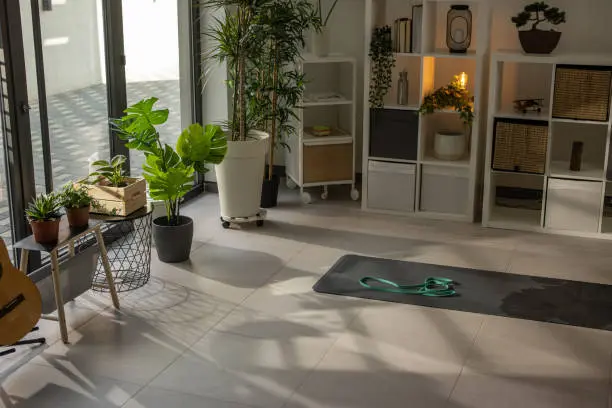
Creating a home that feels calm, comfortable, and supportive of your well-being has become a priority for many people. As daily life becomes busier and more connected to technology, the home is increasingly seen as a place to recharge—physically and mentally.
From lighting and furniture to air quality and noise control, small details can influence how a space feels. One approach that has gained attention in recent years is indoor grounding. This concept focuses on creating a connection to the Earth’s natural energy within an indoor environment.
While grounding traditionally involves walking barefoot outside, indoor grounding tools bring similar practices into the home. These tools are becoming part of modern wellness routines, helping people create spaces that promote relaxation and balance.
Understanding Indoor Grounding in a Home Setting
Indoor grounding is based on the idea of reconnecting with the Earth’s natural energy while staying indoors. This is especially useful for people who spend most of their time inside due to work, weather, or lifestyle.
The concept is often associated with earthing, which refers to direct contact with the Earth’s surface, such as walking barefoot on grass or sand.
Indoor tools are designed to simulate this connection in a practical way. They can be used in everyday settings—while sitting at a desk, relaxing on the couch, or sleeping at night.
For example, someone working from home might place a grounding mat under their desk, allowing them to incorporate grounding into their daily routine without any major changes.
This simplicity is part of what makes indoor grounding appealing. It doesn’t require a complete lifestyle shift—just small adjustments that fit naturally into existing habits.
Creating a Relaxing Home Environment
A relaxing home environment often comes down to consistency and comfort. People use different methods to achieve this, such as soft lighting, calming colors, and organized spaces.
Indoor grounding tools can complement these elements by adding another layer of comfort.
For instance, someone who enjoys reading in the evening may use grounding tools as part of their wind-down routine. Combined with quiet surroundings and comfortable seating, this creates a more peaceful atmosphere.
Similarly, individuals who practice meditation or mindfulness often look for ways to enhance their experience. Grounding tools can be integrated into these practices, helping create a dedicated space for relaxation.
This approach is similar to how other industries focus on environmental design. Spas, for example, carefully design their spaces to promote calmness through lighting, sound, and layout. Offices incorporate wellness areas to help employees recharge during the day.
Similarly, homeowners are using grounding tools as part of their efforts to create spaces that promote relaxation and well-being.
Supporting Daily Routines and Habits
One of the key benefits of indoor grounding tools is their ease of integration into daily routines.
Unlike some wellness practices that require additional time or effort, grounding can be incorporated into activities that people are already doing.
For example:
- A person working at a computer can use a grounding mat during work hours.
- Someone watching television in the evening can incorporate grounding into their relaxation time.
- Individuals who practice stretching or yoga can incorporate grounding tools into their sessions.
These small integrations make it easier to maintain consistency, which is important for any wellness habit.
Consistency is often what turns a simple activity into a meaningful routine. Just as regular exercise or healthy eating habits contribute to overall well-being, small daily practices can have a lasting impact.
Enhancing Comfort and Sleep
Sleep is another area where people are looking for ways to improve their home environment.
A comfortable sleep setup often includes factors such as mattress quality, room temperature, and lighting. Indoor grounding tools are sometimes added to this mix as part of a broader relaxation approach.
For example, grounding sheets or mats can be used during sleep as part of a bedtime routine. While experiences may vary, many individuals include these tools alongside other practices such as reducing screen time or creating a quiet sleeping environment.
Comfort is a key factor here. When a bedroom feels calm and well-designed, it can support better rest and recovery.
This is similar to how hotels focus on creating restful environments for guests. By paying attention to details such as bedding and lighting, they aim to enhance comfort and sleep quality.
At home, individuals can apply similar principles by combining grounding tools with other relaxation-promoting elements.
Adapting to Modern Indoor Lifestyles
Modern lifestyles often involve spending significant time indoors. Whether working remotely, studying, or relaxing with digital entertainment, many people have limited opportunities for outdoor activities during the day.
Indoor grounding tools provide a way to adapt to this reality.
For example, someone living in an apartment may not have easy access to outdoor spaces for grounding. Indoor solutions offer an alternative that fits within their living environment.
Similarly, professionals with busy schedules may find it easier to incorporate grounding into their workday than to set aside additional time for outdoor activities.
This flexibility makes indoor grounding accessible to a wide range of people, regardless of their living situation or daily routine.
For those interested in exploring practical ways to integrate grounding into their home, visit Groundingwell.com/collections/grounding-essentials to learn more about tools designed for everyday use.
Having access to different options allows individuals to choose solutions that best fit their lifestyle and preferences.
A Growing Part of Home Wellness Design
Indoor grounding tools are part of a broader trend toward creating healthier, more intentional living spaces.
People are increasingly viewing their homes as environments that should support not just comfort, but also overall well-being.
This trend is visible in many areas, from ergonomic furniture and air purification systems to mindfulness spaces and relaxation zones.
Grounding tools fit naturally into this movement by offering another way to enhance the home environment.
For example, a homeowner designing a wellness-focused space might combine grounding tools with plants, natural lighting, and calming decor to create a cohesive atmosphere.
This holistic approach reflects a growing awareness of how physical spaces can influence mental and emotional health.
A Simple Addition to Everyday Living
Indoor grounding tools are not meant to replace other aspects of wellness, but rather to complement them.
By fitting into daily routines and enhancing the home environment, they offer a practical way to explore new approaches to relaxation and comfort.
Whether used at work, during rest, or for leisure, these tools can become part of a broader effort to create a balanced and supportive living space.
In the end, building a healthy and relaxing home environment often comes down to small, thoughtful choices.
Indoor grounding tools represent one of those choices—simple, adaptable, and aligned with the growing focus on well-being in everyday life.
As more people seek ways to feel comfortable and connected in their homes, these tools are likely to remain part of the evolving conversation about modern wellness.
Also Read-
- Transforming Your Home Before Selling
- How Smart Technology Is Changing Luxury Home Living
- How At-Home Muscle Stimulator Devices Support Fitness and Body Sculpting Goals