Modern workplaces are increasingly shaped by data-driven systems that influence both operational efficiency and employee comfort. As organizations adopt smarter infrastructure, they are also refining how they hire and manage talent through staffing agency tools to streamline candidate sourcing. Environments are becoming more responsive, effective, and productive as a result of the convergence of smart facility management and digital hiring systems. The end product is a workplace concept in which technology provides real-time support for both people and physical space.
The Rise of Smart Workplace Ecosystems
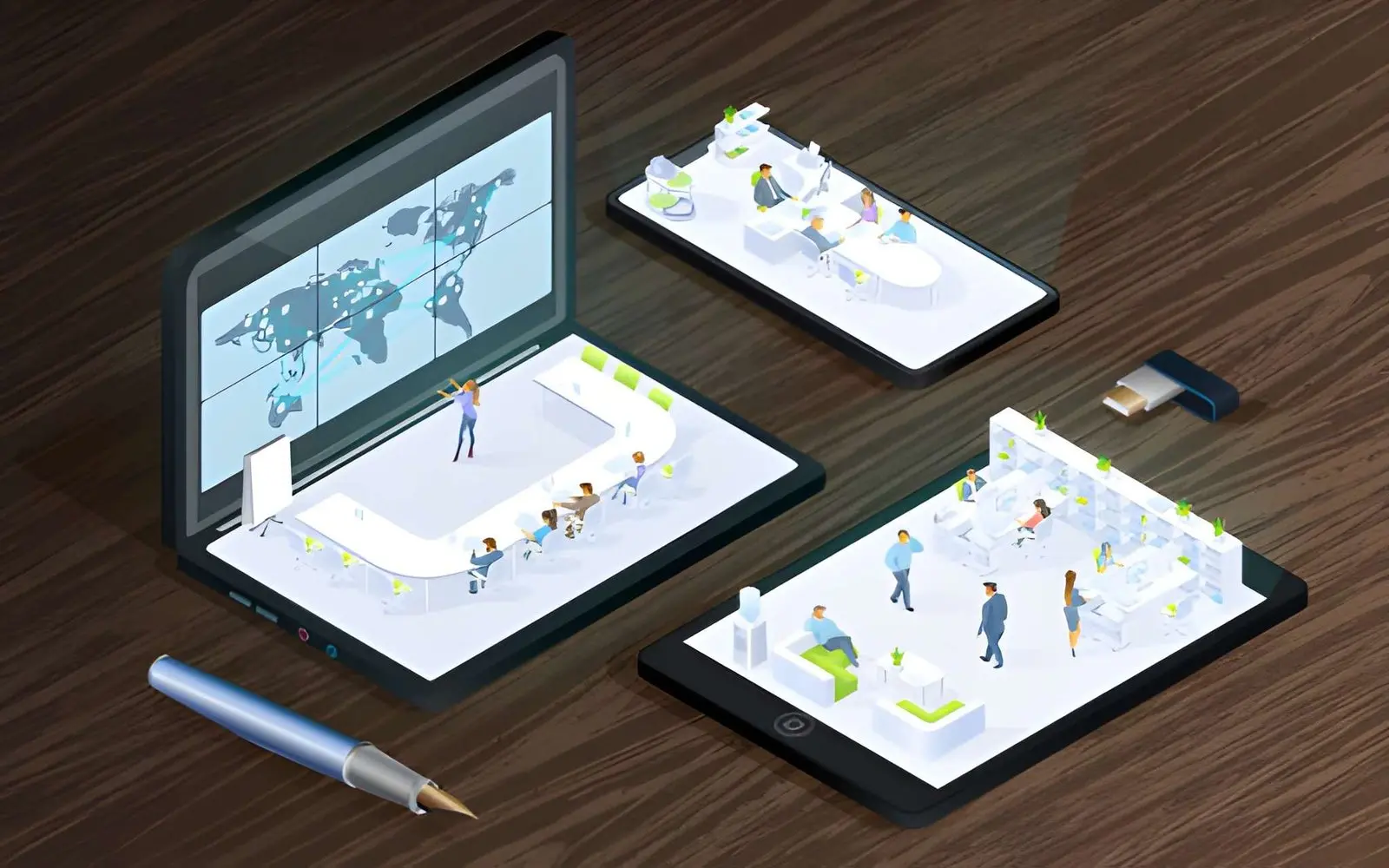
Smart office technology today operates as an interconnected ecosystem, much beyond basic automation. Conditions, including temperature, humidity, occupancy, and energy consumption, are constantly monitored by sensors, linked devices, and centralized software platforms. Without the need for human interaction, these solutions enable facility managers to make well-informed changes that enhance efficiency and comfort.
This degree of control is particularly useful in commercial and industrial settings. Inefficient energy distribution, temperature swings, and uneven airflow are common in large operations. Early detection of these discrepancies by intelligent systems allows managers to address them before they affect output or worker satisfaction. This proactive approach represents the transition from reactive maintenance to continuous optimization.
Connecting Digital Intelligence With Physical Comfort
The capacity to connect digital information with physical enhancements is one of the most significant advancements in workplace technology. Sensor data can directly impact a facility’s daily operations. To ensure that airflow is directed where it is most required, occupancy tracking, for instance, can modify ventilation systems in real time.
Decisions about layout and equipment are also included in this integration. In many industrial settings, smart placement of mechanical solutions, such as business ceiling fans, is as important as HVAC systems for increasing air circulation. These fans may be tuned for speed, timing, and coverage when paired with intelligent monitoring systems, which help ensure constant comfort while reducing energy waste.
Smarter Facilities and Workforce Efficiency
Productivity is not just about how people work. It also depends on whether the workplace helps them stay comfortable and focused throughout the day. When the environment is stable and responsive to employees’ needs, daily tasks tend to run more smoothly. That can help people concentrate, feel less worn out, and do their jobs more effectively.
Facility data can also help employers make better decisions about scheduling, staffing, and resource use. When they understand when spaces are busiest, where problem areas tend to develop, and how work moves through the day, they can plan more effectively. The result is a workplace that feels calmer, works better, and makes better use of both the space and the people in it.
Practical Applications in Modern Facilities
In commercial and industrial contexts, smart workplace solutions are already being applied in several useful ways. These applications show the extent to which technology is integrated into day-to-day operations and facilities management.
- Real-time monitoring of temperature, airflow, and occupancy levels
- Automated adjustment of ventilation and lighting based on usage patterns
- Predictive maintenance alerts for HVAC and mechanical systems
- Energy optimization through synchronized control of equipment
- Integration of airflow solutions, such as commercial ceiling fans with smart controls
Together, these systems produce environments that are both more effective and better suited to human requirements.
The Future of Workplaces as Connected Systems
The complete integration of digital intelligence and physical infrastructure is the key to the future of workplace design. Facilities will transition to predictive environments that anticipate demands rather than just respond to them as technology advances. This covers everything, including space usage, staffing coordination, and climate control.
This method holds that every element of the workplace collaborates to form a coherent system of efficiency. Environmental controls, commercial ceiling fans, staffing firm software, and job portals are all governed by the same data-driven framework. Because of this, the workplace is always changing to maintain optimal comfort and productivity.
Final Thoughts
Efficiency, comfort, and workforce management are all being redefined by smart office technologies. By combining real-time data systems with physical improvements and modern hiring strategies like staffing agency tools to streamline candidate sourcing, businesses can create environments that are both responsive and highly efficient. This integrated approach ensures that workplaces are not only technologically advanced but also better suited to the people who work in them every day.
Also Read
- Improving ROI Through Smart Aviation Technology Investments
- How Customer Expectations Shape Modern Business
- How Customer Expectations Shape Modern Business