
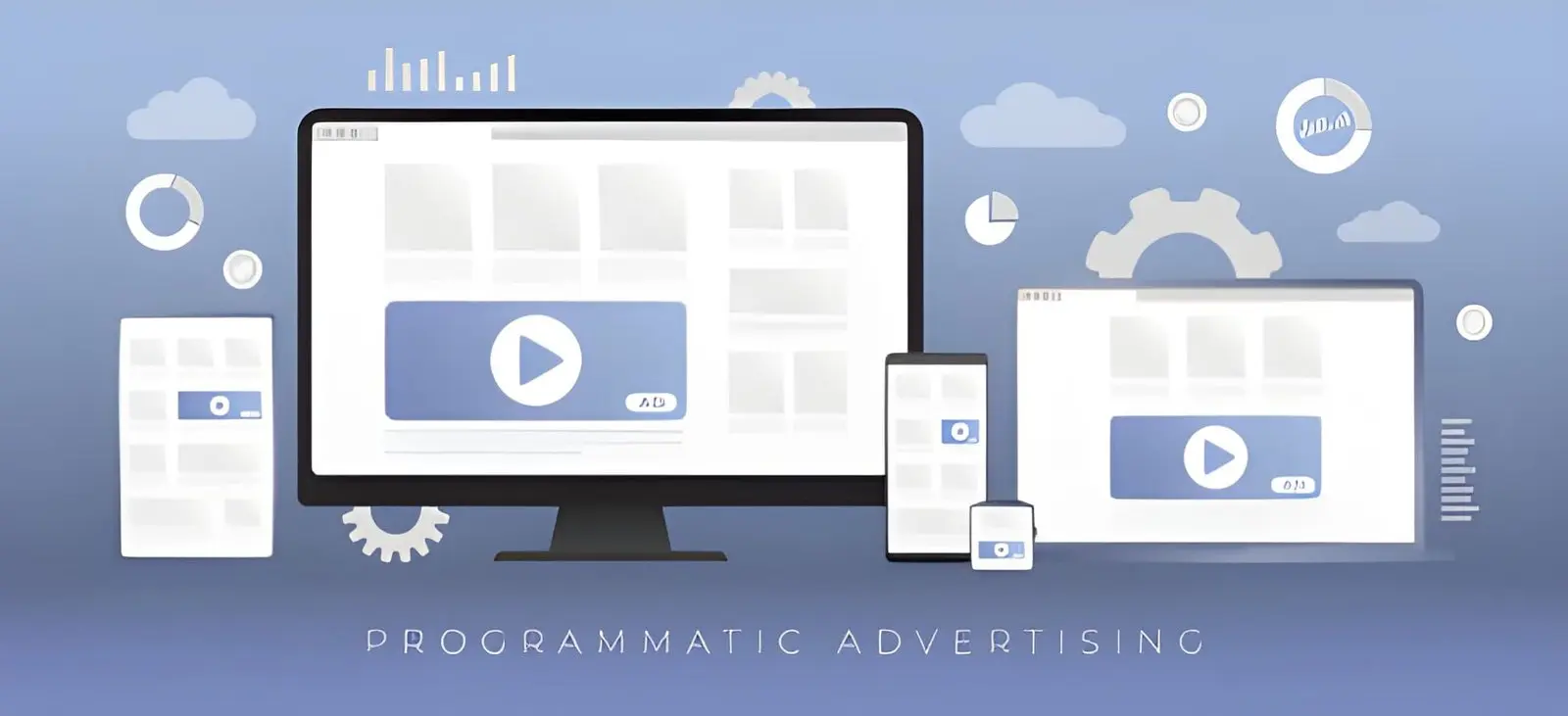
TV advertising has come a long way from the days of guessing which shows your audience might be watching. Today, businesses can reach specific viewers with remarkable accuracy using programmatic TV advertising. But with so many options available, choosing the right service can feel overwhelming.
If you’ve ever tried to pick the best streaming platform or compare phone plans, you already understand the challenge—there are plenty of choices, and not all of them fit your needs. The same applies here. The key is knowing what to look for and how each option aligns with your goals.
Let’s break it down in a simple, practical way.
Understand What Programmatic TV Advertising Really Means
Before choosing a service, it helps to understand what “programmatic” actually means. In simple terms, it’s the use of automated technology to buy and place TV ads based on data.
Instead of manually negotiating ad slots, the system uses data—like viewer behavior, demographics, and interests—to decide where and when your ads should appear. Think of it like online shopping recommendations. When you browse for shoes and suddenly see ads for sneakers everywhere, that’s data-driven targeting in action.
Now imagine applying that same level of precision to TV. Whether it’s streaming platforms, smart TVs, or on-demand content, your ads can reach the right audience at the right time.
For example, a local fitness brand can show ads to people who regularly watch health-related content, while a car dealership might target viewers who have recently searched for vehicles online. It’s smarter, more efficient, and far less wasteful than traditional TV advertising.
Look for Strong Targeting and Data Capabilities
Not all programmatic TV services are created equal. One of the biggest differences lies in how well they use data.
A good service should offer detailed targeting options. This might include age, location, interests, viewing habits, and even purchase intent. The more refined the targeting, the more likely your ads will reach people who actually care about your product or service.
Think about a restaurant owner promoting a new menu. Instead of showing ads to a general audience, they can target viewers in nearby areas who frequently watch food-related content. That’s a much smarter use of budget.
Also, consider how the service gathers and uses data. Reliable platforms work with high-quality data sources to ensure accuracy. If the data is outdated or too broad, your campaign won’t perform as well.
Transparency is important here. You should be able to understand where your ads are being shown and who is seeing them. If a service feels vague about its targeting methods, that’s a red flag.
Evaluate Reporting and Performance Insights
Running ads without tracking results is like driving without a map—you might get somewhere, but you won’t know if it’s the right direction.
One of the biggest advantages of programmatic TV advertising is the ability to measure performance. A good service should provide clear, easy-to-understand reports that show how your campaign is doing.
Look for metrics like impressions (how many people saw your ad), completion rates (how many watched it fully), and engagement. Some platforms also offer insights into how viewers respond after seeing your ad, such as visiting your website or making a purchase.
For example, a small e-commerce brand might notice that their ads perform better during evening hours. With this insight, they can adjust their campaign to focus on those times, improving results without increasing spending.
This kind of feedback loop is what makes programmatic advertising so powerful. It allows you to learn, adjust, and improve continuously.
Consider Ease of Use and Support
Technology is great—until it becomes too complicated.
When choosing a programmatic TV advertising service, consider how easy it is to use. A clean, intuitive platform can save you time and reduce frustration, especially if you’re new to this type of advertising.
You don’t need to be a tech expert to run a successful campaign. The best services simplify the process, guiding you through campaign setup, targeting, and optimization.
Support also matters. Whether it’s live chat, email assistance, or a dedicated account manager, having access to help can make a big difference. Imagine launching a campaign and running into an issue with ad placement—you’ll want quick and reliable support to resolve it.
Businesses across industries, from retail to real estate, benefit from platforms that combine powerful tools with user-friendly design. It allows them to focus on strategy rather than getting stuck in technical details.
Compare Pricing and Value
Budget is always a factor, but it’s not just about choosing the cheapest option. It’s about getting the best value for your investment.
Different services have different pricing models. Some charge based on impressions, while others may use a subscription or minimum spend requirement. Understanding these structures helps you avoid surprises and plan your budget effectively.
For instance, a startup might prefer a flexible model that allows them to test campaigns with a smaller budget, while a larger company may prioritize scalability and advanced features.
It’s also worth considering what’s included in the price. Does the service offer creative support? Advanced analytics? Access to premium inventory? Sometimes paying a bit more upfront can lead to better results and higher returns in the long run.
When exploring your options, take the time to review and compare the best programmatic TV advertising services available. This can give you a clearer picture of what different providers offer and help you find one that aligns with your goals.
Think About Scalability and Future Growth
Your business won’t stay the same forever—and your advertising strategy shouldn’t either.
As you grow, your needs will change. You might want to expand into new markets, test different audiences, or increase your ad spend. Choosing a service that can scale with you ensures you won’t have to switch platforms later on.
For example, a local business that starts with a small campaign might eventually expand nationwide. A scalable platform can handle that transition smoothly, offering more advanced features as needed.
Flexibility is key. Look for services that allow you to adjust campaigns easily, experiment with new strategies, and adapt to changing trends.
Final Thoughts
Choosing the right programmatic TV advertising service doesn’t have to be complicated. It’s about understanding your goals, knowing what features matter most, and finding a platform that fits your needs.
Start by focusing on strong targeting capabilities, clear reporting, and ease of use. Then, consider pricing, support, and scalability. By taking a thoughtful approach, you can make smarter decisions and get more value from your campaigns.
At the end of the day, programmatic TV advertising is about reaching the right people in a more efficient way. Whether you’re a small business owner or part of a larger marketing team, the right service can help you connect with your audience and achieve better results.
And just like choosing any important tool for your business, a little research upfront can save you time, money, and effort down the line.
Also Read
- How Customer Expectations Shape Modern Business
- The Role of Private Lenders in Supporting Business Expansion and Investment
- Life as a System: Why Small Adjustments Matter More Than Big Resets