
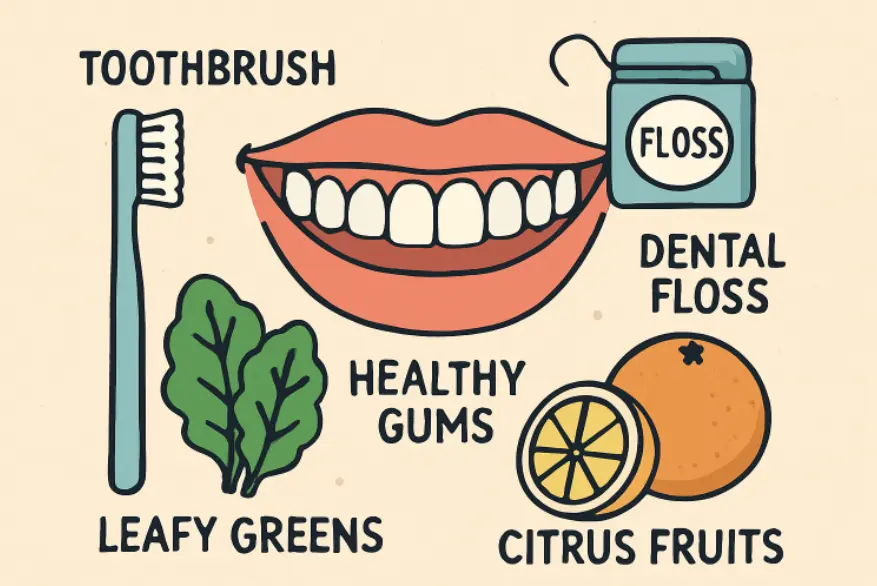
Bleeding gums are a common oral health issue that can indicate underlying problems such as gingivitis or periodontal disease. Addressing this concern promptly is crucial to preventing more serious complications. This article explores effective strategies to stop bleeding gums, supported by data and expert recommendations. For comprehensive dental care and expert advice on managing bleeding gums, consider consulting with Southpark Dental Group. Located in Orlando, Florida, Southpark Dental Group offers a wide range of dental services, including preventive, restorative, and cosmetic dentistry. Their experienced team is dedicated to providing quality care to help you achieve optimal oral health.
What Causes Bleeding Gums?
Bleeding gums are often a sign of gum disease, ranging from mild gingivitis to more severe periodontitis. Common causes include:
- Poor Oral Hygiene: Inadequate brushing and flossing can lead to plaque buildup, causing gum inflammation and bleeding.
- Nutritional Deficiencies: Lack of vitamins C and K can weaken gums, making them more susceptible to bleeding.
- Smoking: Tobacco use impairs the immune system, reducing the body’s ability to fight gum infections.
- Medical Conditions: Diseases like diabetes can increase the risk of gum disease and bleeding.
How Can Proper Oral Hygiene Prevent Bleeding Gums?
Implementing a thorough oral hygiene routine is fundamental in preventing and treating bleeding gums. Key practices include:
- Brushing Twice Daily: Use a soft-bristled toothbrush to clean teeth and gums, reducing plaque buildup gently.
- Flossing Daily: Regular flossing removes food particles and plaque between teeth, areas often missed by brushing alone.
- Using Antiseptic Mouthwash: Rinsing with an antimicrobial mouthwash can reduce bacteria and inflammation in the mouth.
According to the American Dental Association (ADA), consistent oral hygiene practices significantly reduce the risk of gum disease and associated bleeding.
What Role Does Diet Play in Gum Health?
Nutrition directly impacts gum health. Ensuring adequate intake of certain vitamins is crucial:
- Vitamin C: Essential for collagen production, vitamin C strengthens gum tissue. Deficiency can lead to gum bleeding. Foods rich in vitamin C include citrus fruits, bell peppers, and strawberries.
- Vitamin K: Plays a role in blood clotting. A deficiency may result in prolonged bleeding. Leafy greens like spinach and kale are excellent sources.
Incorporating these nutrients into your diet can bolster gum health and reduce bleeding.
How Does Smoking Affect Gum Health?
Smoking is a significant risk factor for gum disease, impacting both the onset and progression of the condition. It weakens the immune system, making it harder for the body to fight off bacterial infections that affect the gums. As a result, inflammation can worsen, healing becomes slower, and early signs of gum disease, such as bleeding or tenderness, may go unnoticed or be more severe. Research consistently shows that smokers are far more likely to develop gum disease compared to non-smokers, and they are also at a higher risk of experiencing advanced periodontal damage, including bone loss and tooth loss.
In addition, smoking reduces blood flow to the gums, limiting the delivery of essential nutrients and oxygen needed for tissue repair. This can mask symptoms like bleeding, delaying diagnosis and treatment. Quitting smoking not only improves gum health but also enhances the effectiveness of dental treatments and supports faster healing. Over time, individuals who stop smoking can significantly reduce their risk of gum disease and enjoy better overall oral and systemic health.
When Should You Seek Professional Dental Care?
If bleeding gums persist despite improved oral hygiene and dietary changes, it’s essential to consult a dental professional. Persistent bleeding may indicate advanced gum disease requiring professional intervention. Treatments may include deep-cleaning procedures such as scaling and root planing and, in severe cases, surgical interventions.
Are There Home Remedies to Stop Bleeding Gums?
Several home remedies can complement professional care:
- Salt Water Rinse: Rinsing with a mixture of warm water and salt can reduce bacteria and soothe inflamed gums.
- Green Tea: Drinking green tea daily may improve periodontal health due to its anti-inflammatory properties.
- Turmeric Paste: Applying a paste made from turmeric and water to the gums can reduce inflammation and bleeding.
While these remedies can be beneficial, they should not replace professional dental advice and treatment.
Conclusion
Bleeding gums are a common but treatable condition. By maintaining proper oral hygiene, ensuring adequate nutrition, avoiding smoking, and seeking professional dental care when necessary, you can effectively manage and prevent gum bleeding. Remember, early intervention is key to maintaining optimal oral health.
Also Read-
- Metaphors for Mental Health
- How Your Indoor Air Quality Affects Sleep and Overall, Health
- heartfelt-images-to-use-in-writing